Construction equipment represents a significant investment, but many machines spend part of the working day waiting for another task, tool or piece of supporting equipment.
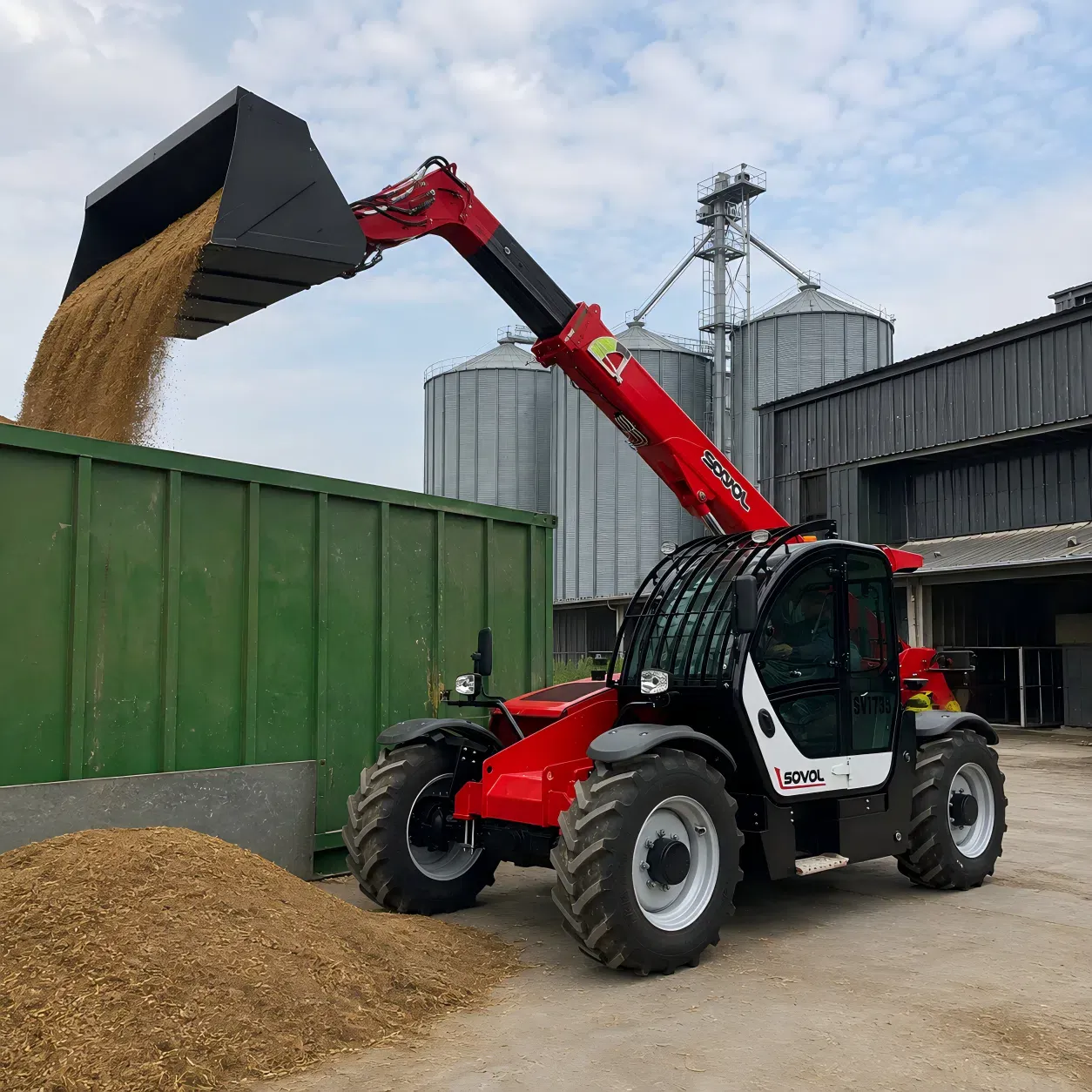
Multi-purpose attachments help contractors increase equipment utilization by allowing one machine to perform several different operations. With suitable hydraulic systems and quick couplers, loaders, excavators, telehandlers and compact equipment can switch between digging, loading, grading, lifting, sweeping and material-handling tasks.
One Machine Can Support More Project Stages
A construction project normally involves several stages, including site preparation, excavation, material transportation, grading and final cleanup.
CASE notes that quick couplers and attachment options allow machines to adapt across different phases of road and bridge projects, improving productivity without necessarily adding more equipment to the fleet.
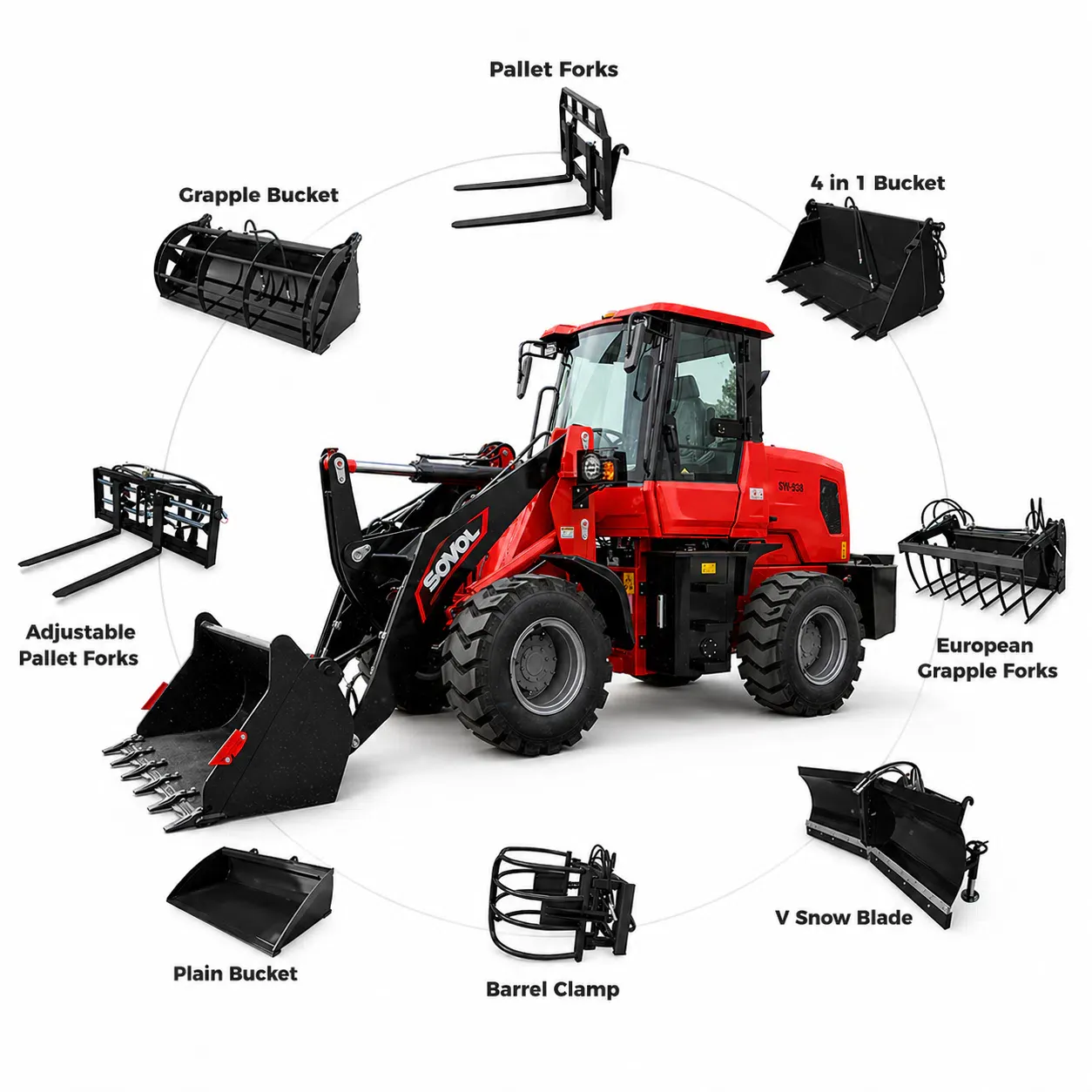
Typical attachment combinations include:
| Attachment | Main Application |
| Standard bucket | Soil, sand and aggregate loading |
| 4-in-1 bucket | Loading, grading, grabbing and backfilling |
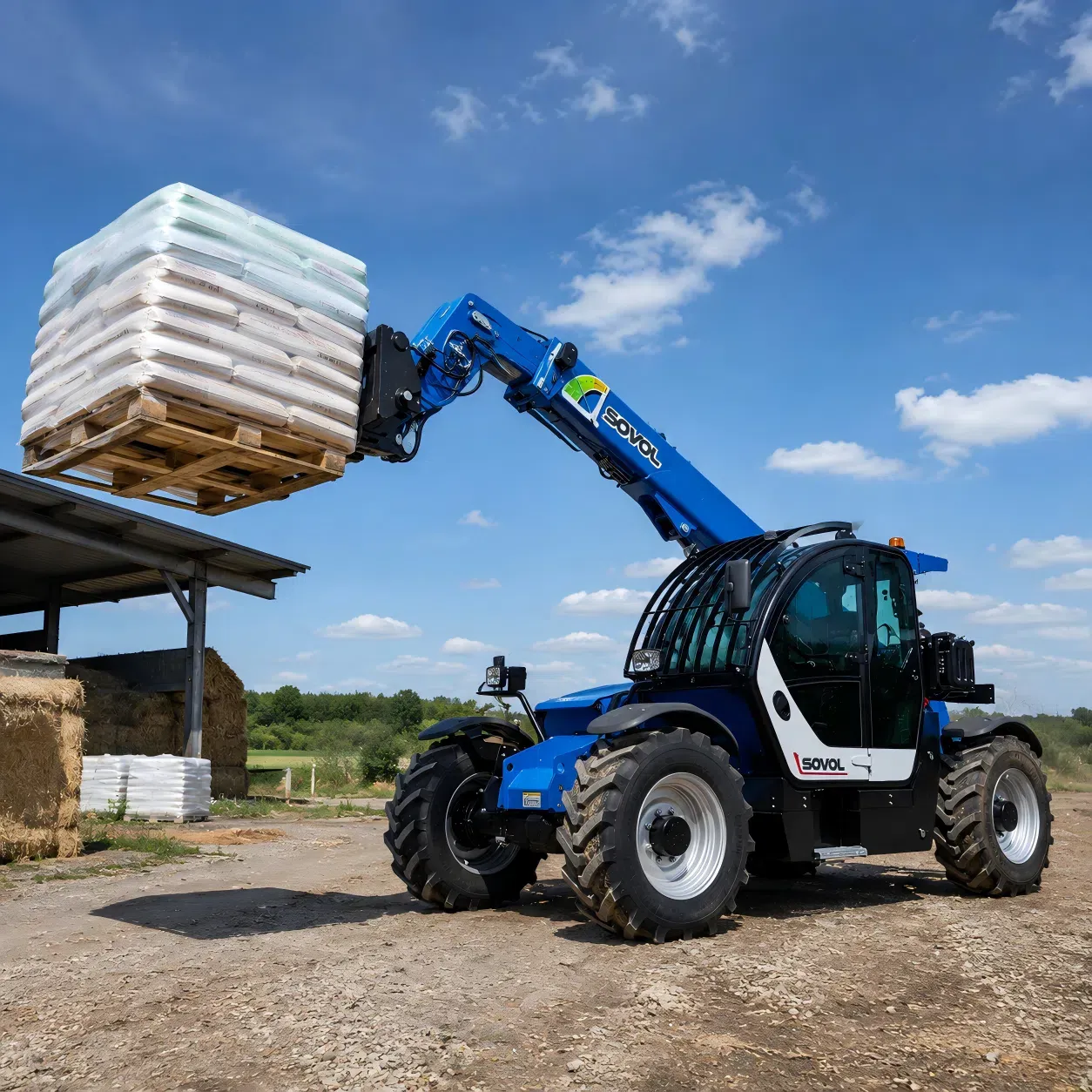
| Pallet fork | Building materials and pallet handling |
| Grapple bucket | Waste, branches and irregular materials |
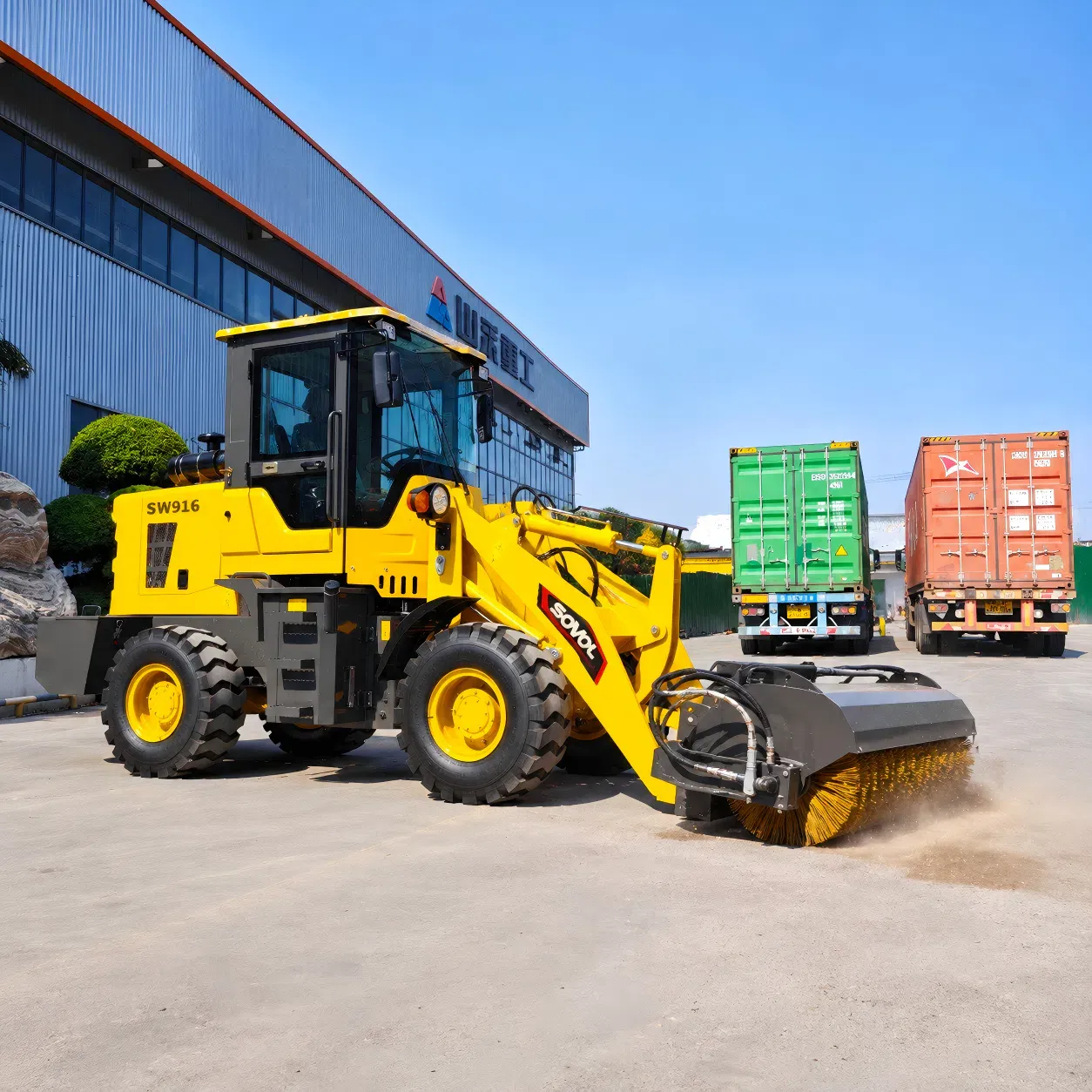
| Sweeper | Road and job-site cleaning |
| Hydraulic breaker | Concrete and rock demolition |
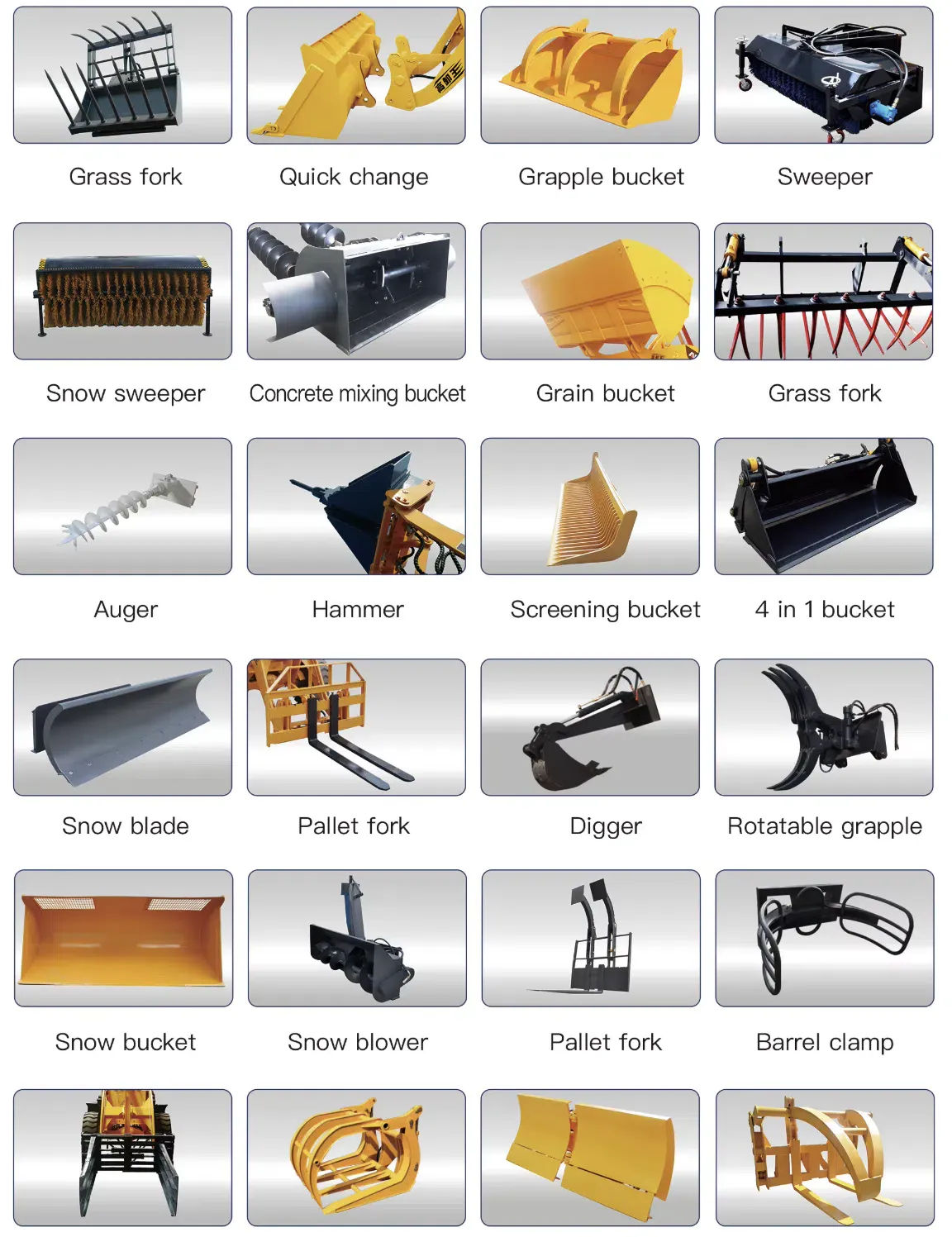
This flexibility allows contractors to match the machine more closely to the actual task instead of using a general-purpose tool for every operation.
Faster Attachment Changes Reduce Downtime
The value of an attachment depends partly on how quickly it can be installed.
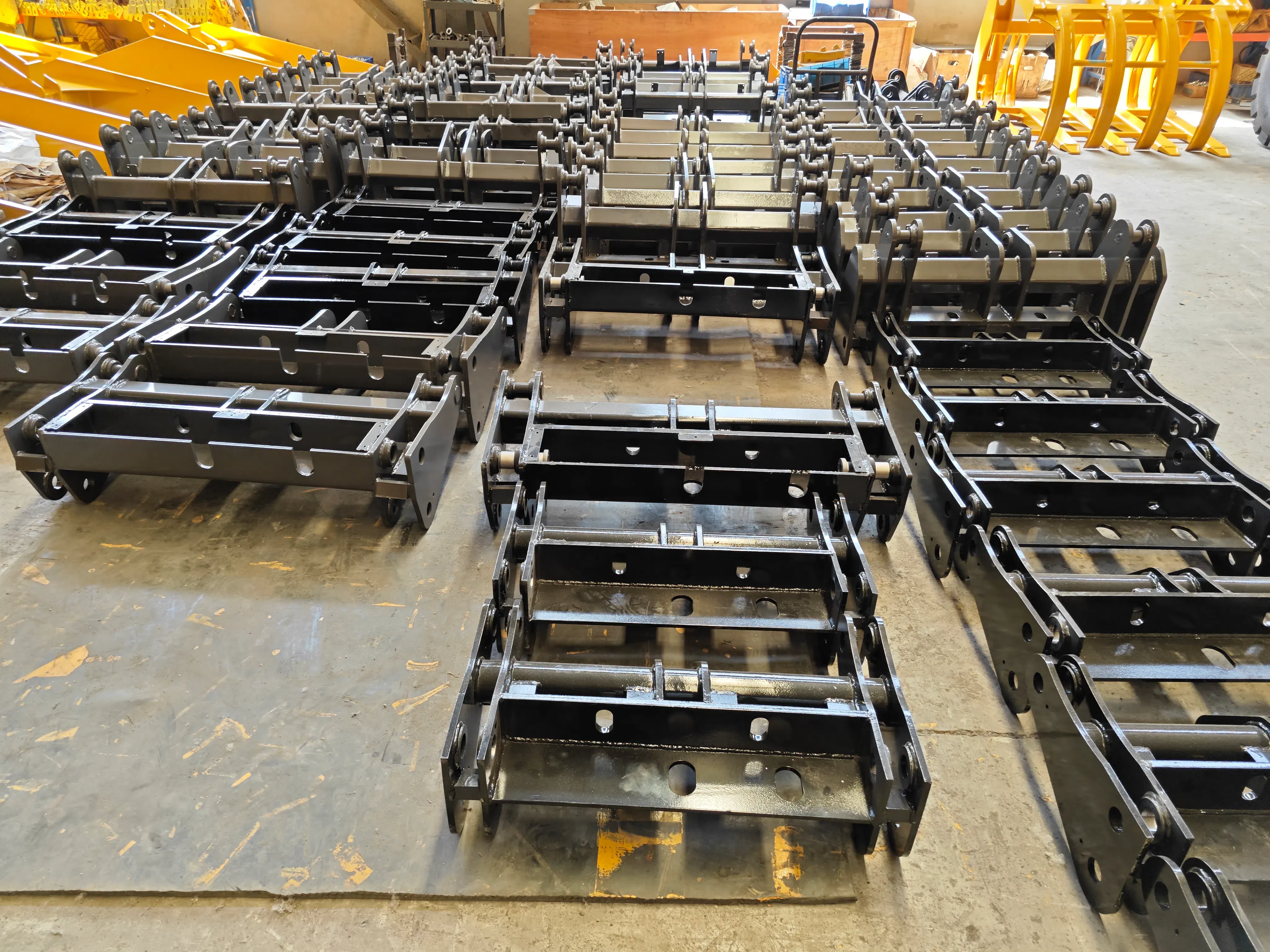
Traditional pin-on attachments may require manual work and additional downtime. Quick couplers make it easier to release one tool and connect another, helping operators move between tasks more efficiently.
Faster changes also make operators more likely to select the correct attachment for each task. Using the appropriate tool can improve productivity while reducing unnecessary wear on both the machine and attachment.
Fewer Machines Can Complete More Work
Attachment versatility can help contractors reduce dependence on additional specialist machines.
For example, one compact wheel loader may use:
· A bucket for loading aggregates
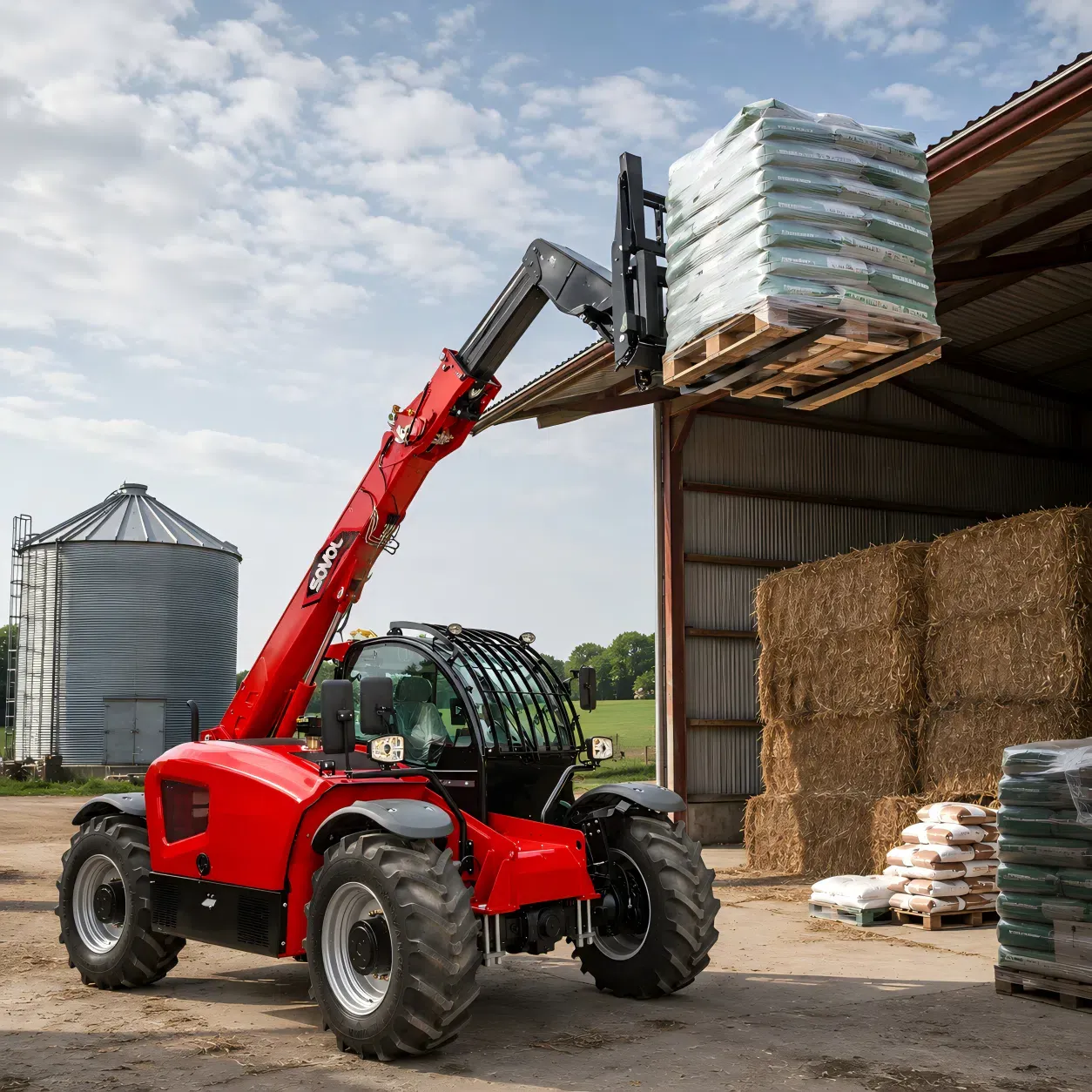
· Pallet forks for unloading supplies
· A grapple bucket for clearing waste
· A sweeper for final job-site cleanup
This does not mean one machine can replace every type of construction equipment. However, it may reduce the number of machines required for supporting tasks.
Higher Utilization Can Improve Return on Investment
Equipment utilization is closely connected to how often a machine performs productive work.
A machine that can only complete one specialized task may remain idle when that work is unavailable. A machine compatible with several attachments can be reassigned to other operations or projects.
Volvo has highlighted that using varied attachments allows customers to take on more types of work with one machine, helping maximize utilization and return on investment.
Choosing the Right Attachment System
To gain practical value from multi-purpose attachments, equipment buyers should consider more than the attachment itself.
Important factors include:
· Machine lifting and hydraulic capacity
· Attachment weight
· Hydraulic flow requirements
· Quick-coupler compatibility
· Visibility and operating stability
· Local service and replacement-part availability
A More Flexible Approach to Construction Equipment
By combining a suitable carrier machine with buckets, forks, grapples, sweepers and other tools, contractors can reduce task-change delays, improve machine utilization and complete a wider range of work with the same equipment platform.
For many construction businesses, the main benefit is simple:
The machine spends more time working and less time waiting for its next task.