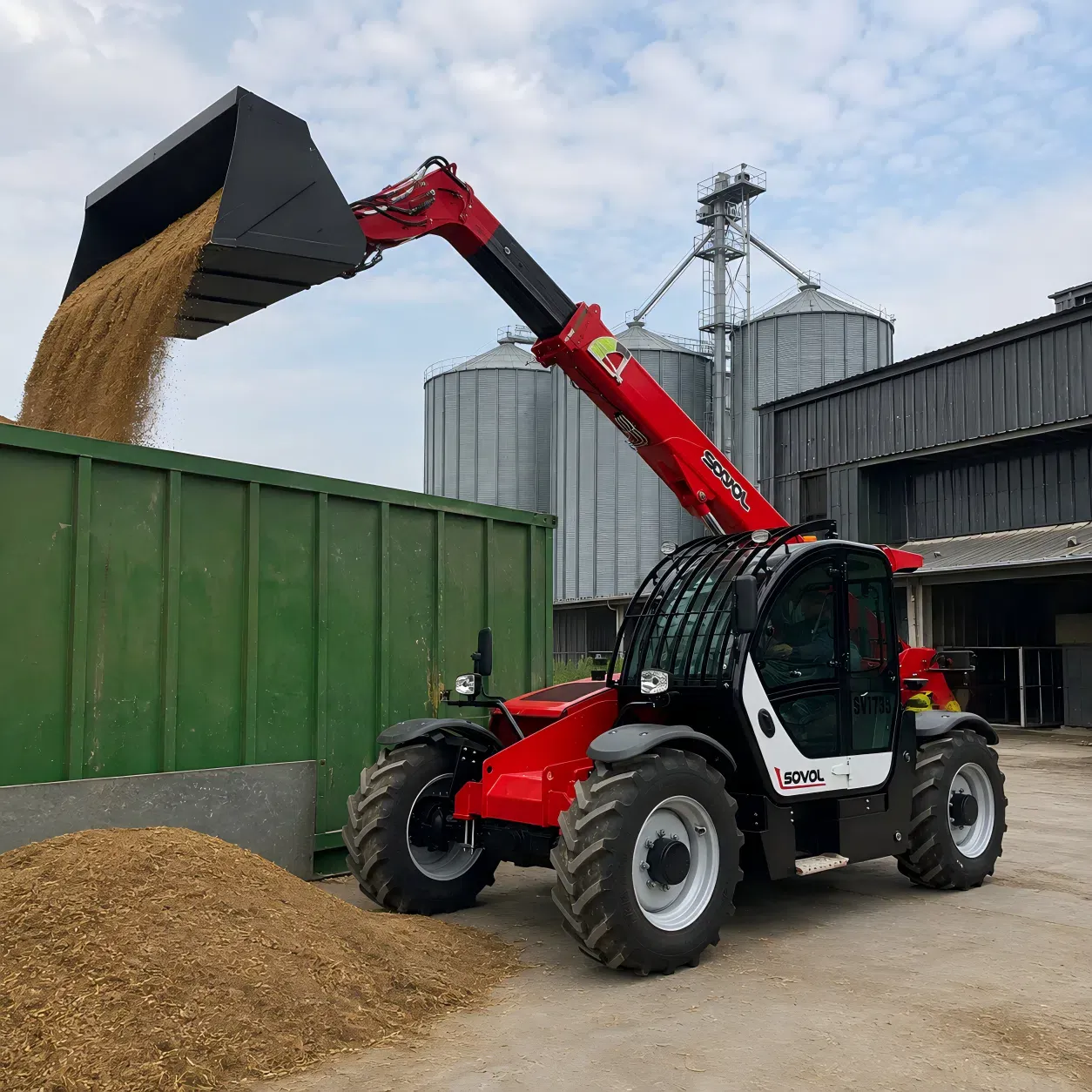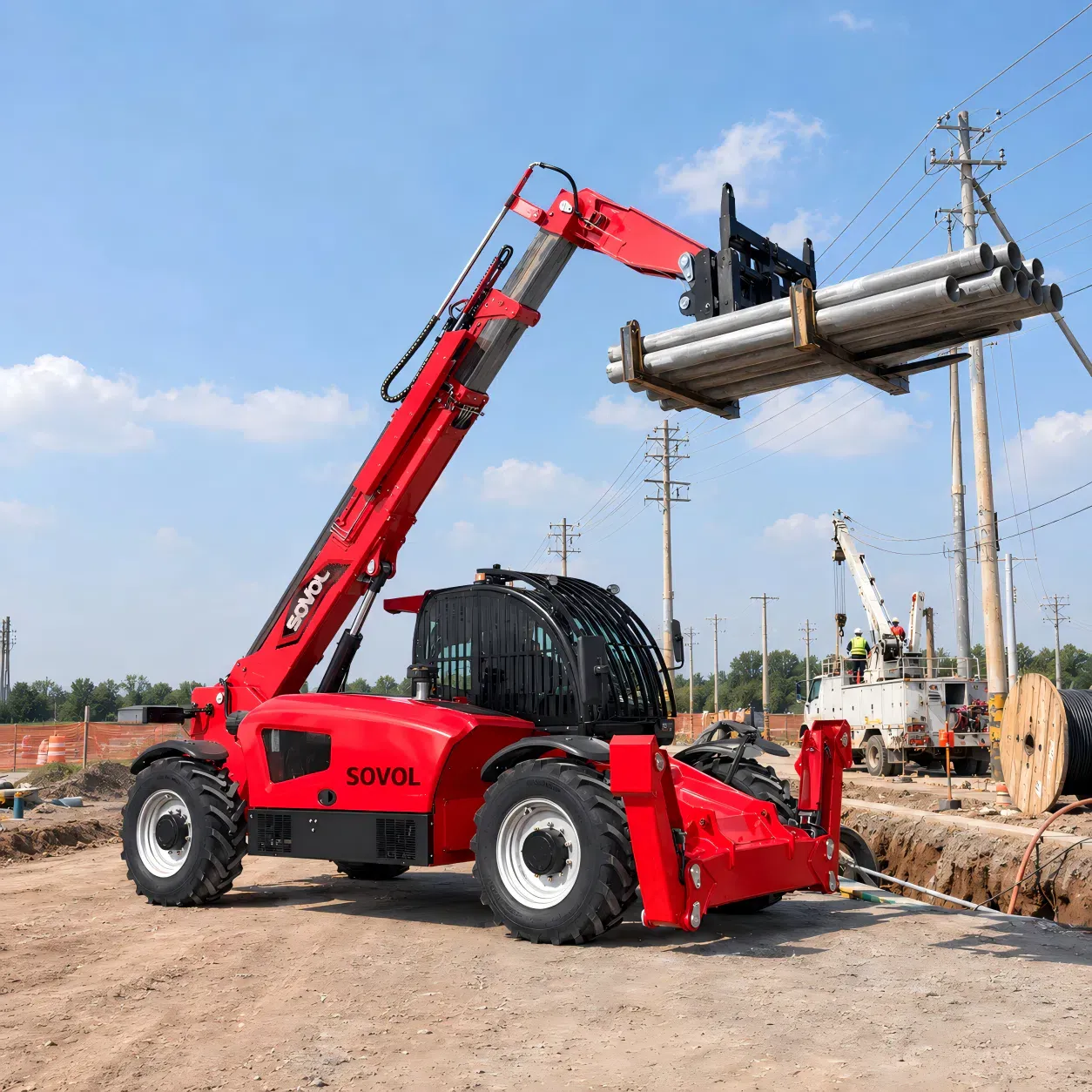
Why Use a Telehandler for Utility and Energy Projects?
Support Outdoor Project Logistics
Energy and utility projects often involve gravel roads, undeveloped sites, temporary storage areas, uneven ground and changing work locations.
Four-wheel drive helps telehandlers move materials around outdoor project environments.
Lift and Place Materials with More Reach
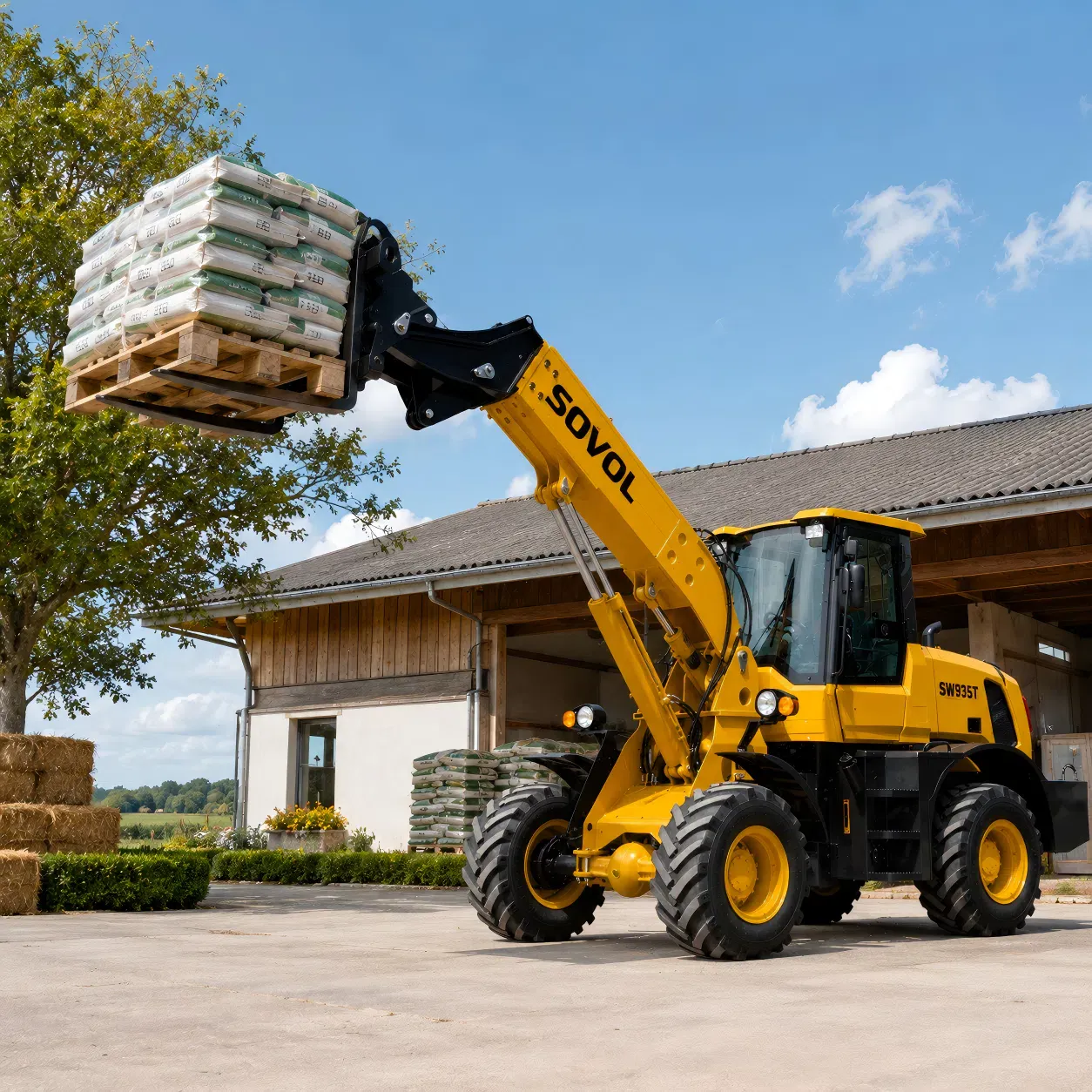
Telehandlers provide lifting height and forward reach for placing pallets, pipes, packaged components, cable-related materials and project supplies near elevated or restricted work areas.
Reduce Repeated Manual Handling
One telehandler can move materials from delivery vehicles to staging areas, then transfer supplies closer to installation or maintenance crews.
Adapt to Different Project Tasks
With suitable attachments, telehandlers can support pallet handling, pipe movement, bucket work, suspended-load positioning, site cleanup and selected maintenance tasks.
Recommended Telehandlers for Energy and Utility Projects
SW735 3.5 Ton 10m Hydrostatic Telehandler
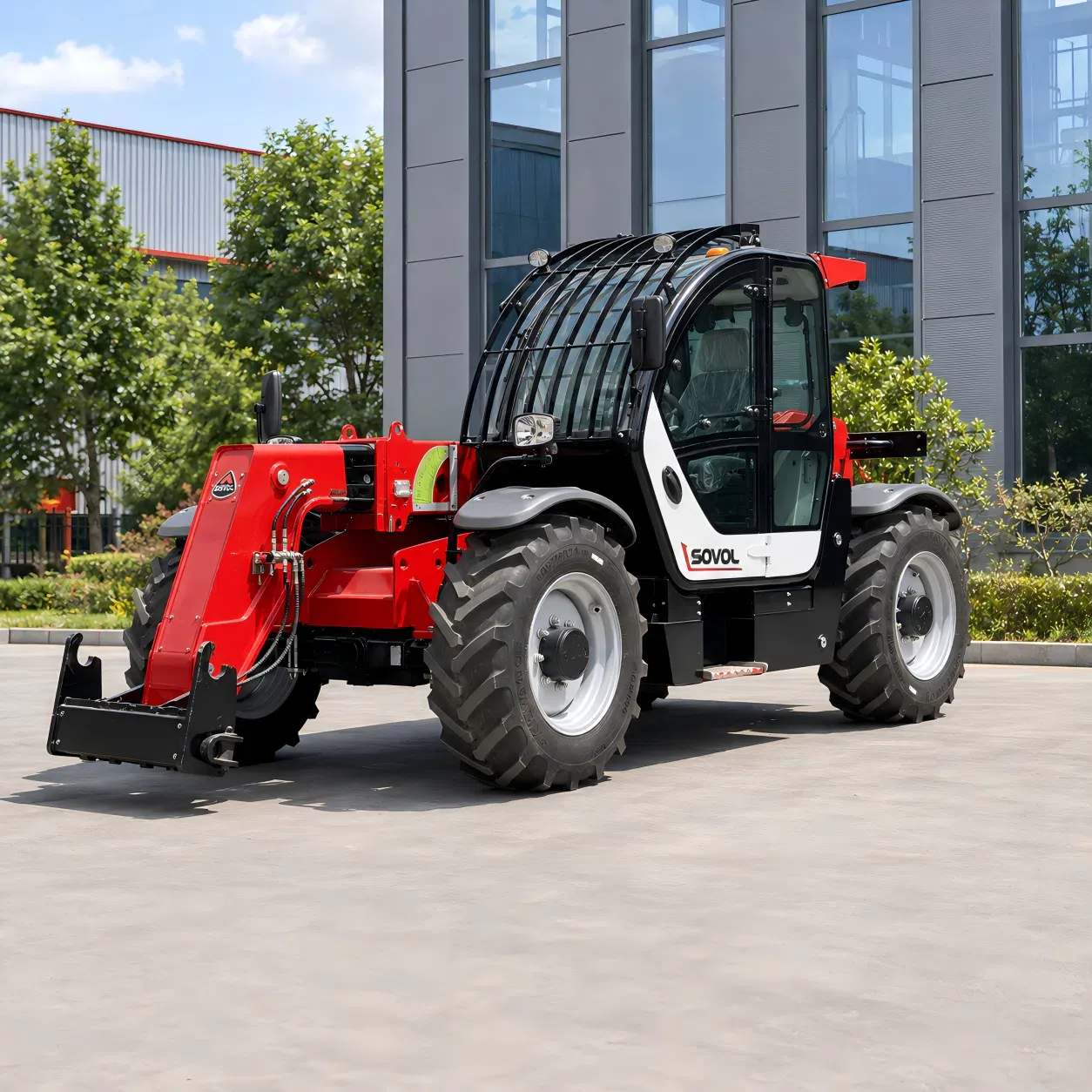
SW1035 3.5 Ton 10m Telehandler
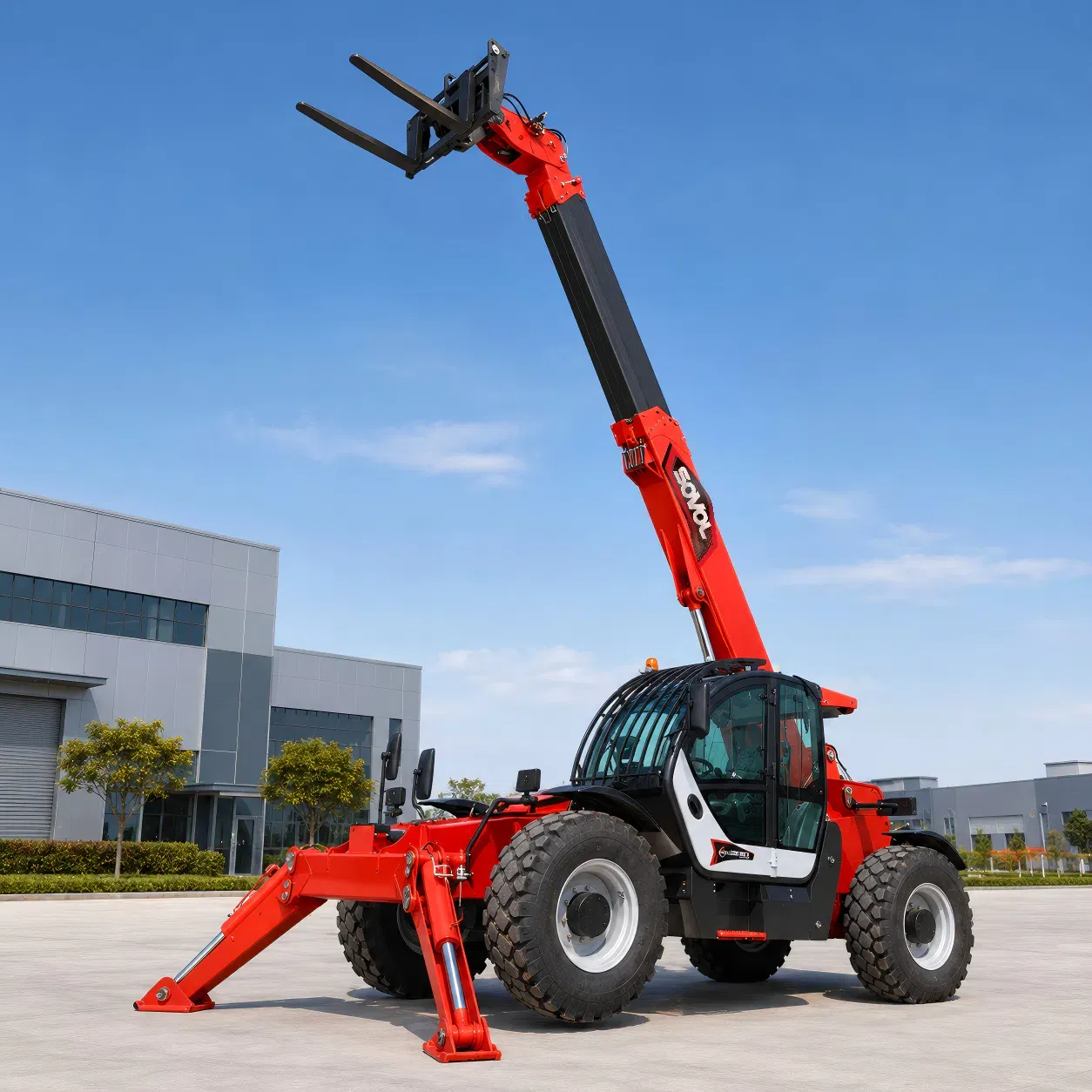
SW1235 3.5 Ton 12m Telehandler
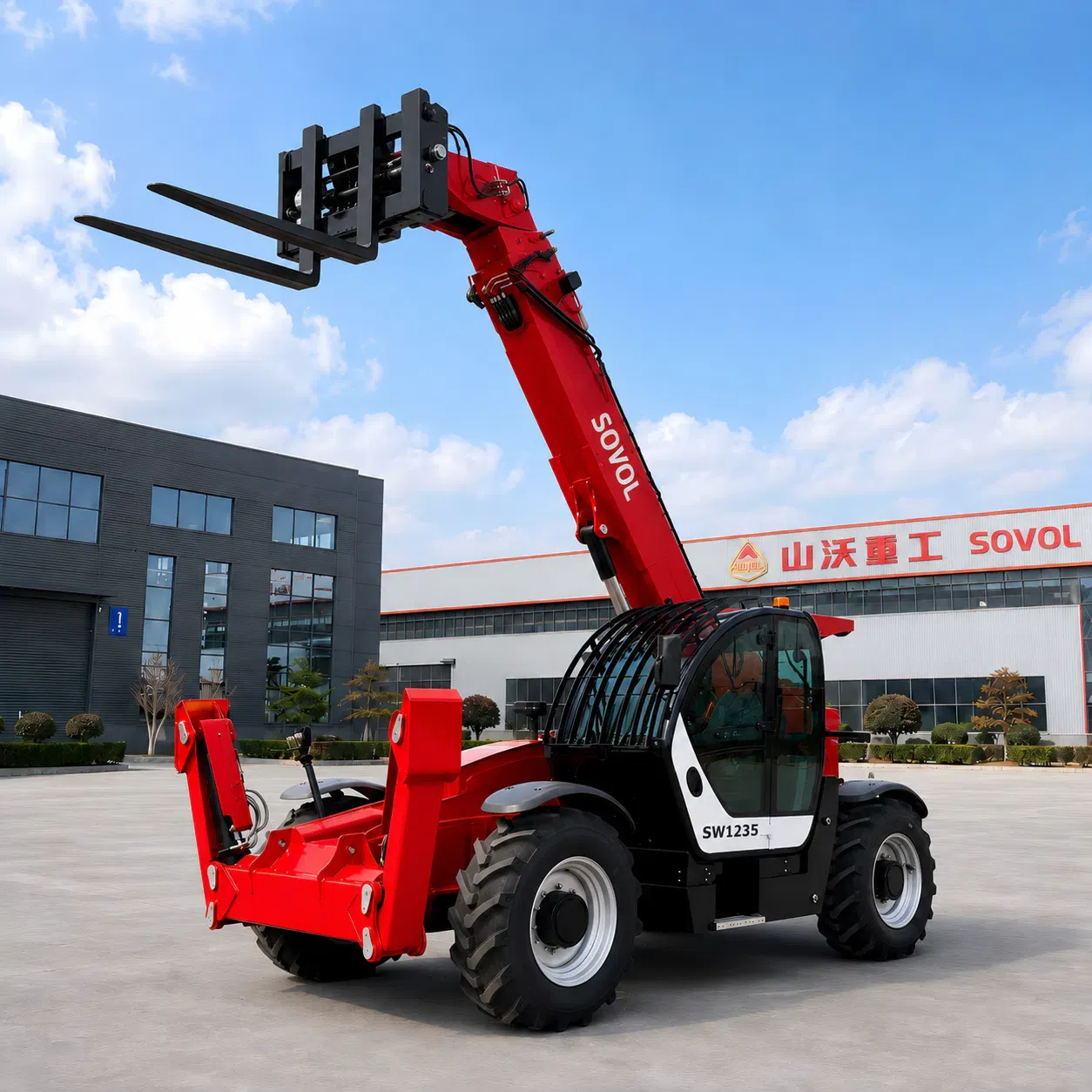
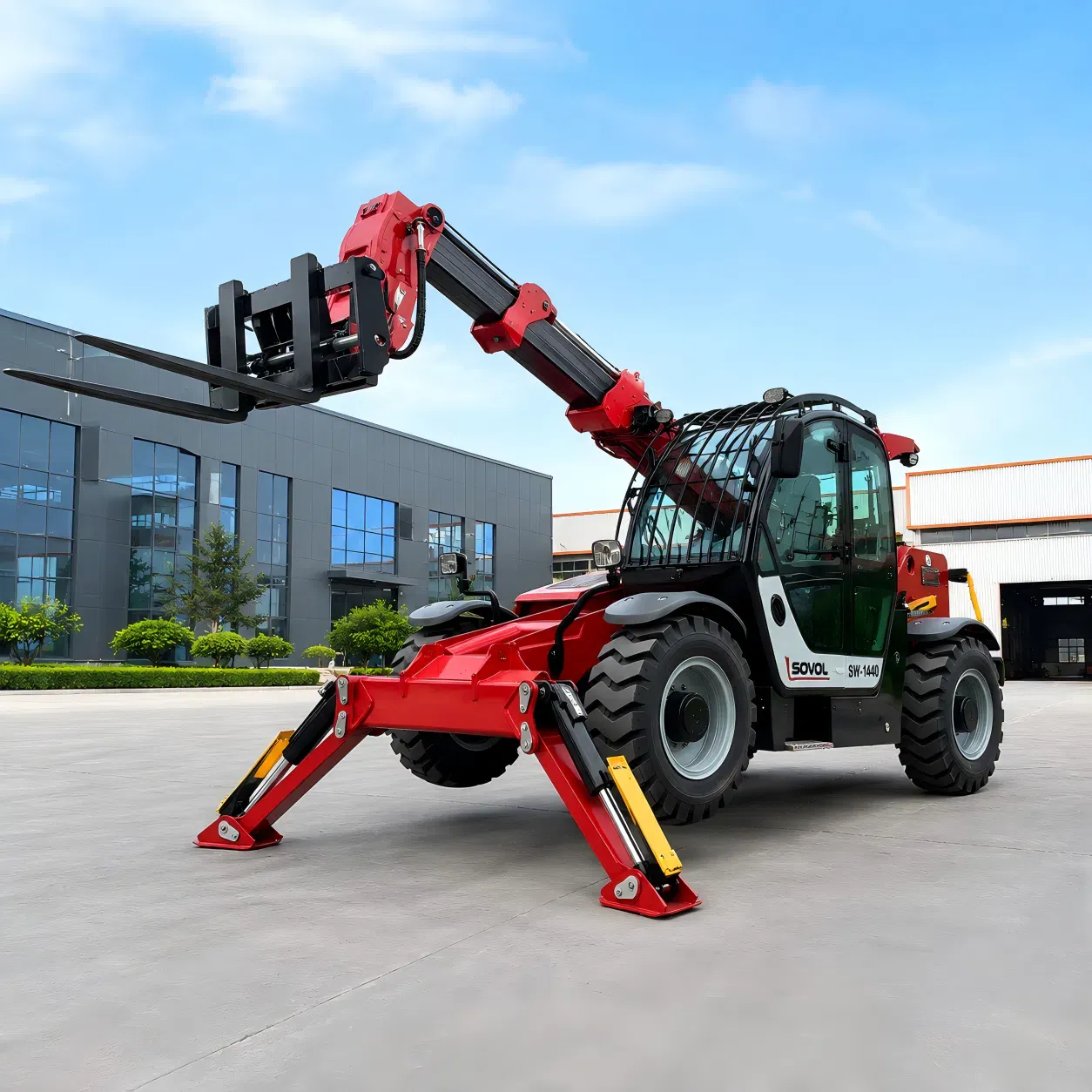
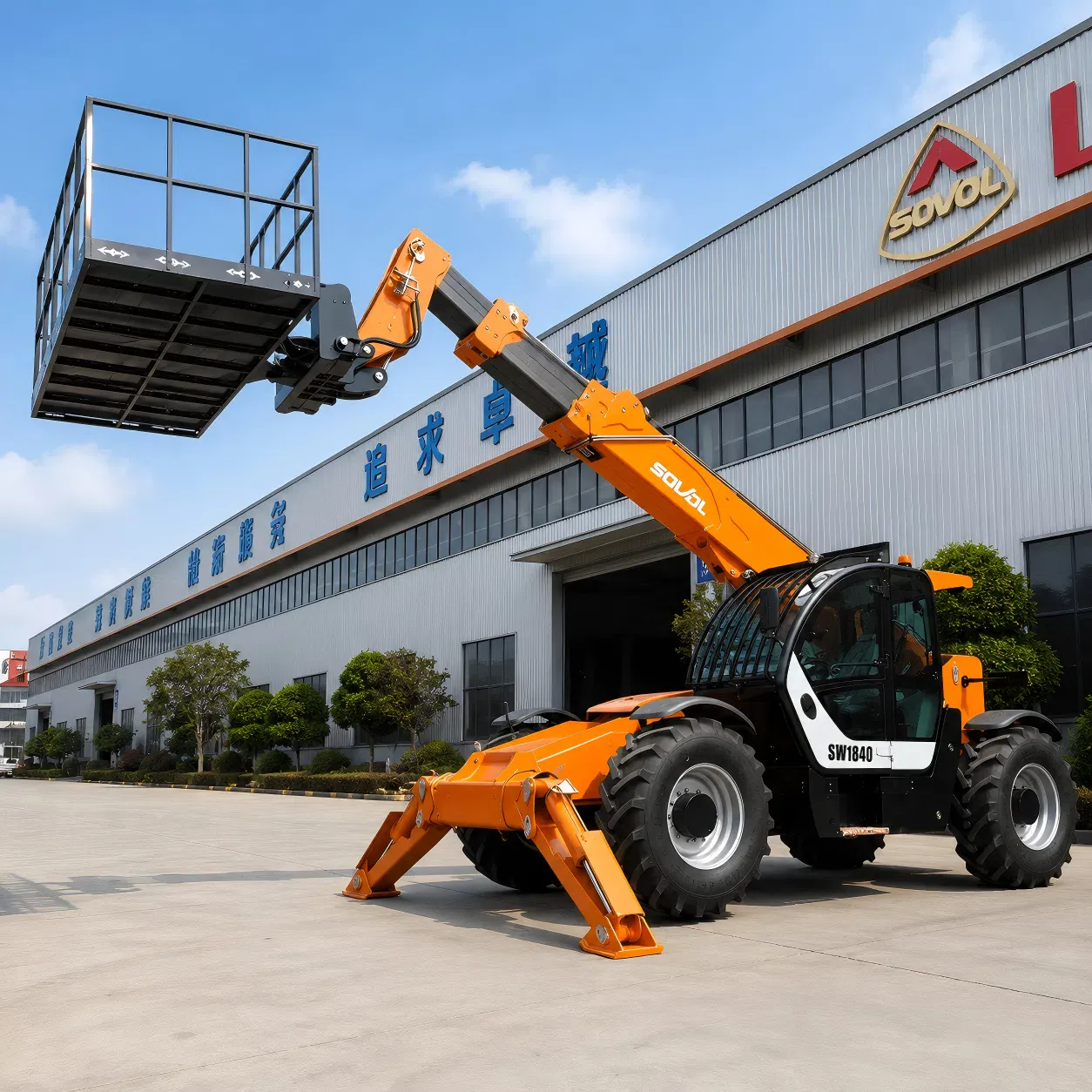
SW1440 and SW1840 4 Ton High-Reach Telehandlers
Typical Energy and Utility Applications
Solar and Renewable Energy Project Support
Utility Pipe and Drainage Material Handling
Cable and Equipment-Supply Logistics
Substation and Facility Material Handling
Water and Wastewater Project Support
Wind and Energy-Site Maintenance Support
Outdoor Storage and Truck Loading
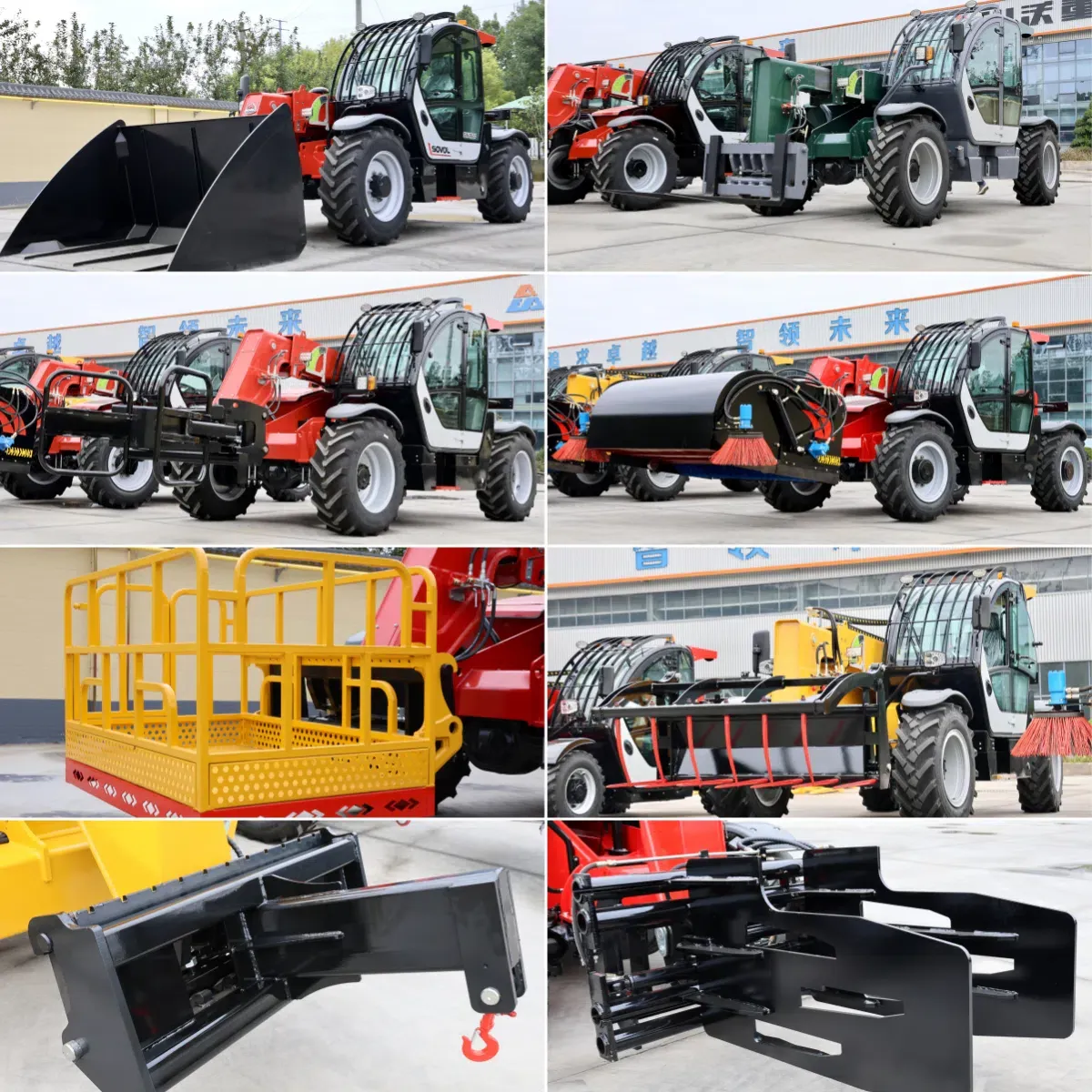
Recommended Attachments for Energy and Utility Projects
| Attachment | Recommended Use |
| Pallet Fork | Packaged equipment, cable materials, components and palletized supplies |
| Standard Bucket | Sand, gravel, soil and loose material handling |
| Construction Bucket | Site loading and bulk material transfer |
| 4-in-1 Bucket | Loading, clamping, grading and light dozing |
| Grapple Bucket | Timber, waste, branches and irregular materials |
| Lifting Hook | Suspended-load positioning and utility-material handling |
| Hook Jib | Extended-reach lifting for selected materials |
| Hydraulic Winch | Controlled lifting where required |
| Work Platform | Selected maintenance support where permitted and approved |
| Sweeper | Work-zone, yard and access-road cleaning |
Why Choose SOVOL Telehandlers for Energy and Utility Projects?
Practical Outdoor Material Handling
SOVOL telehandlers help project teams lift, load and move materials across outdoor energy, utility and infrastructure work zones.
Clear Height and Capacity Options
Customers can choose 3.5 ton and 4 ton models according to lifting height, material weight, forward reach and site requirements.
Flexible Attachment Capability
Suitable attachments help adapt one machine to pallets, pipes, equipment supplies, loose materials and maintenance-support work.
Suitable for Contractors and Rental Fleets
The telehandler range is suitable for utility contractors, renewable-energy project teams, equipment suppliers, public-works users and rental companies.
OEM / ODM Support
SOVOL can support configuration matching, attachment recommendations, branding and market-specific product planning for overseas dealers and distributors.
FAQ
Q1: Can a telehandler be used near electrical infrastructure?
Telehandlers can support material handling on utility projects, but operators must follow electrical-clearance requirements, site procedures and local safety regulations. They should not be used as substitutes for dedicated insulated or live-line equipment.
Q2: Which telehandler is suitable for utility projects?
The SW735H is suitable for general utility support. The SW1035 and SW1235 suit projects needing more height, while SW1440 and SW1840 are suitable for heavier and higher-reach requirements.
Q3: Can a telehandler handle utility pipes?
With suitable forks, hooks or jib attachments, telehandlers can support movement of pipes, fittings, drainage materials and selected utility-installation supplies.
Q4: Are telehandlers suitable for energy-project rental fleets?
Yes. Telehandlers can support rental fleets serving utility contractors, renewable-energy projects, public works teams and infrastructure users.