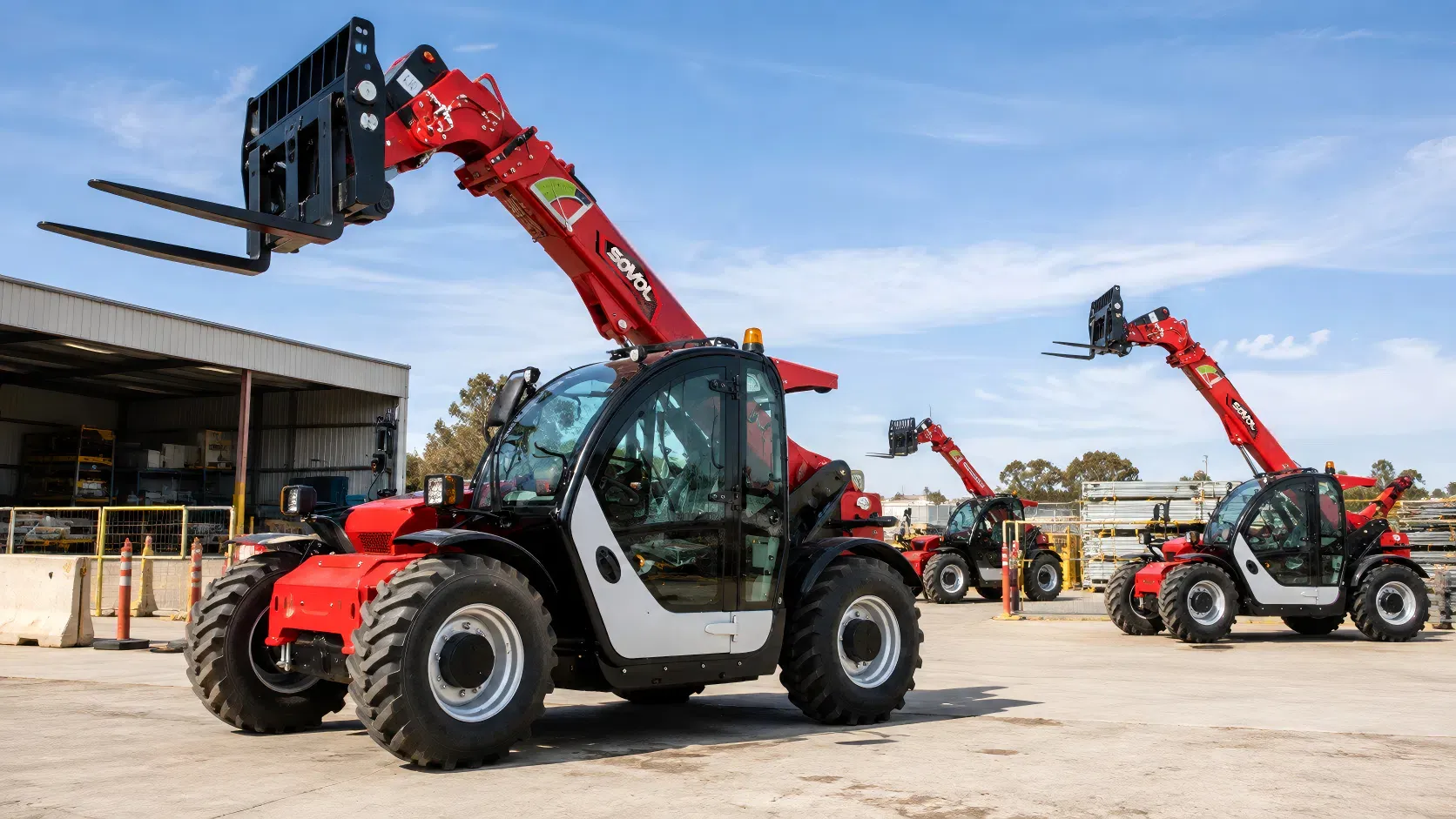
Australia’s equipment hire market continues to play an important role in construction, infrastructure and material-handling projects, and telehandlers are well positioned within this rental-driven environment.
Rather than purchasing specialized machinery for every project, contractors increasingly use rental equipment to match machine capacity and working height to changing job-site requirements.
Australia’s Hire and Rental Industry Association describes the national hire and rental sector as a multi-billion-dollar industry and has a dedicated Telescopic Handler Association of Australia representing manufacturers, rental fleets, suppliers, trainers and end users.
Infrastructure Activity Supports Equipment Demand
Australia continues to maintain a substantial infrastructure pipeline. Infrastructure Australia reported that the five-year Major Public Infrastructure Pipeline reached A$242 billion for 2024–25 to 2028–29, an increase of A$29 billion from the previous outlook. Investment is being directed into areas including transport, housing-related infrastructure and the energy transition.
Construction activity has also remained significant. Australian Bureau of Statistics data showed total construction work done reached A$83.4 billion in the March quarter of 2026, with engineering construction work rising strongly during the quarter.
For rental businesses, these project pipelines create demand for machinery that can move between different job sites and perform a range of lifting and material-handling tasks.
Telehandlers Fit the Rental Business Model
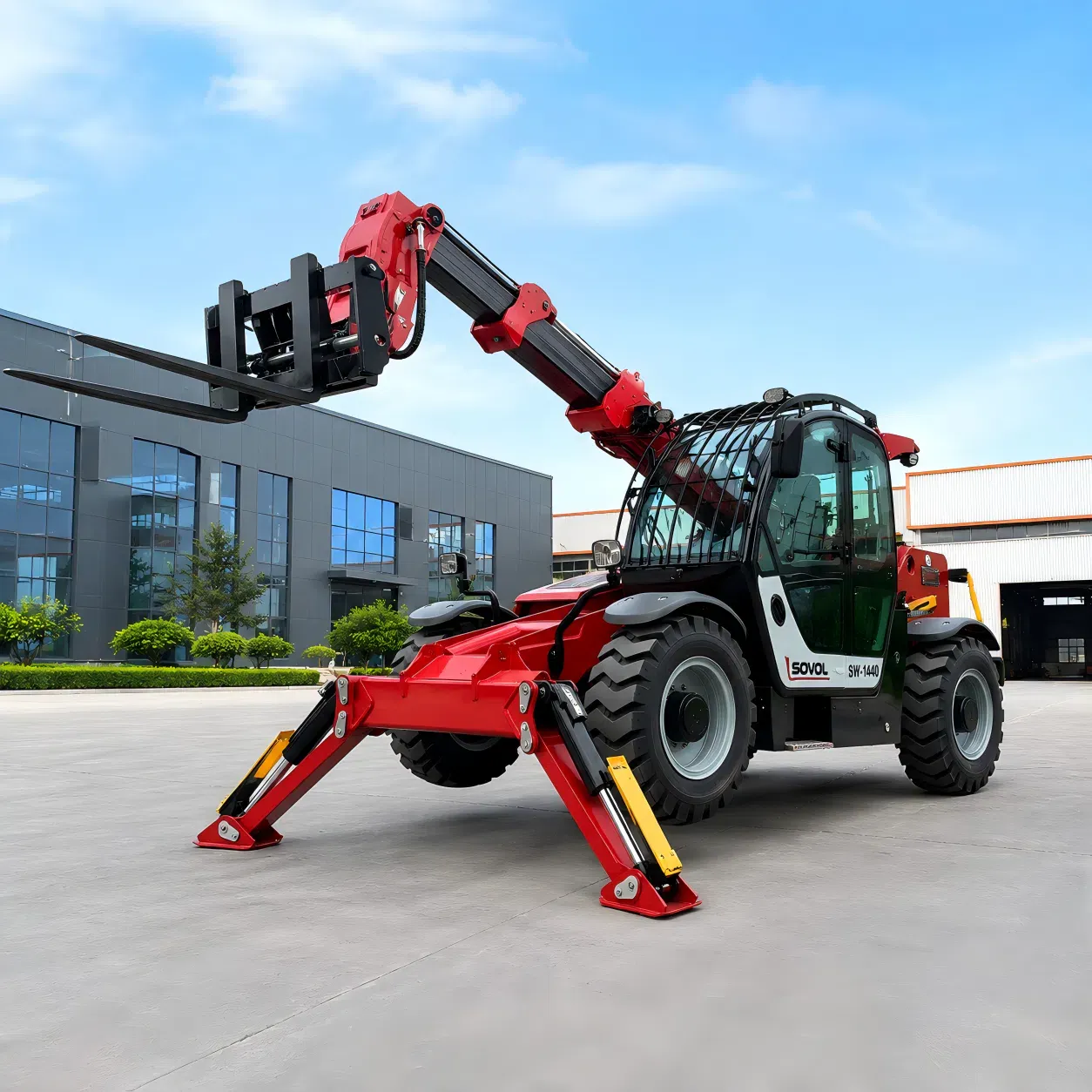
Telehandlers are particularly suitable for rental fleets because customers can select machines according to lifting capacity, reach and project duration without committing to long-term ownership.
The variety already offered by major Australian rental companies illustrates this demand. Coates currently lists fixed-boom, compact, high-reach, rotating and electric telehandlers in its hire fleet. Kennards Hire similarly offers telehandlers across several capacity and reach classes, including 2.5-tonne compact machines, 4-tonne 7-metre units and machines reaching approximately 17 metres.
This range allows rental companies to serve different applications rather than relying on one standard machine specification.
Typical telehandler rental users include:
· Construction contractors
· Infrastructure projects
· Agricultural businesses
· Industrial yards
· Material-handling operations
· Maintenance contractors
Attachments Increase Rental Fleet Utilization
Another important factor is attachment compatibility.
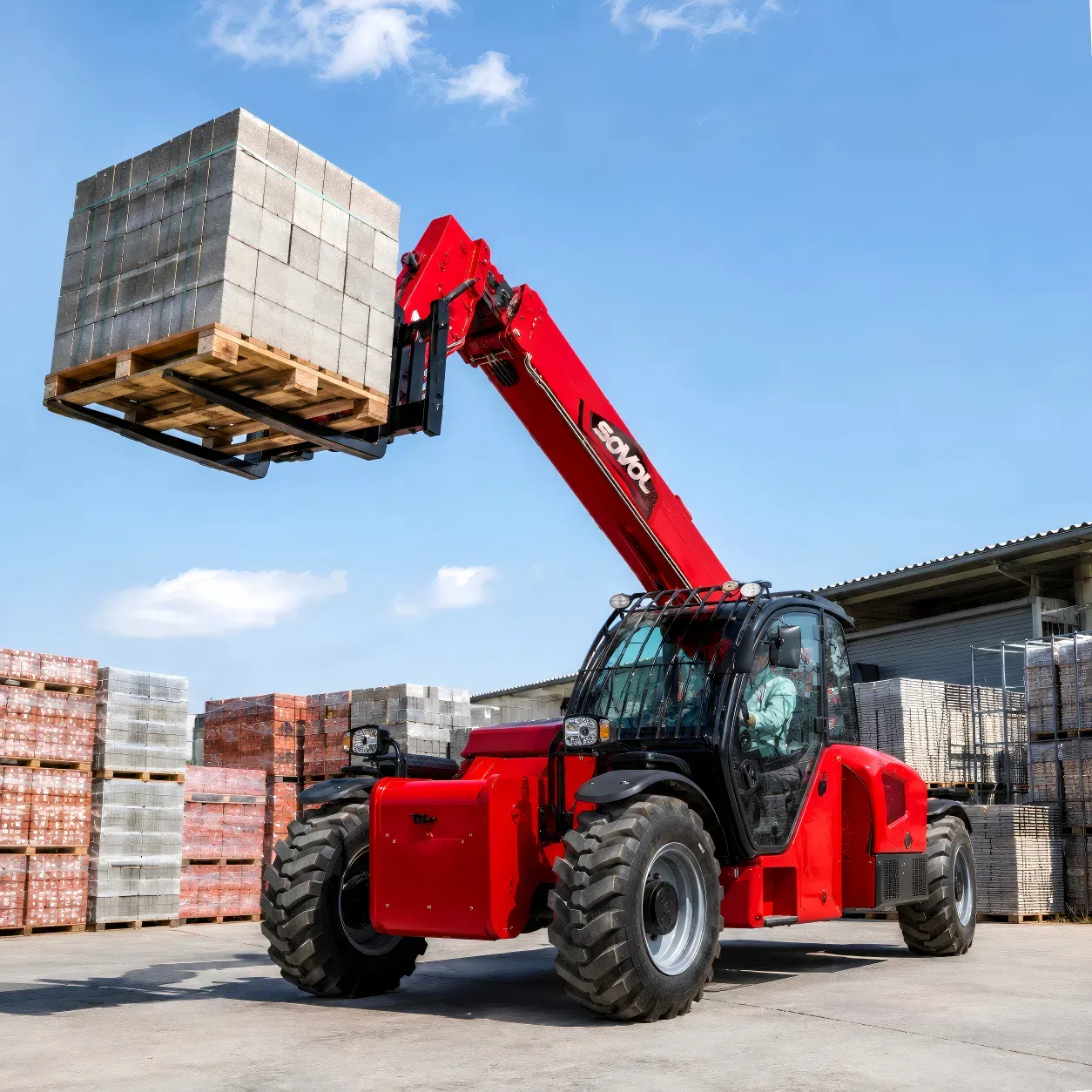
A telehandler can perform different tasks by changing its attachment. Forks can handle palletized building materials, while buckets support loose-material handling and jibs expand lifting applications.
Australian rental companies already reflect this model. Coates offers telehandler attachments including buckets, jibs and fork extensions, while Kennards lists attachments such as 4-in-1 buckets alongside its telehandler rental range.
For rental fleet owners, this versatility can improve machine utilization because the same telehandler platform can be supplied to customers with different working requirements.
Rental Can Reduce Equipment Commitment
Construction projects often have changing requirements. A contractor may need a compact telehandler during one project and a higher-reach machine during another.
Rental allows the contractor to match equipment more closely to each project while avoiding ownership of machines that may remain underutilized between jobs.
Broader market research also points toward continued expansion of Australian construction equipment rental. One 2025 market study estimated the Australian construction equipment rental market at approximately US$0.91 billion in 2024, forecasting growth to around US$1.16 billion by 2030.
What This Means for Telehandler Suppliers
As rental fleets expand, suppliers need to look beyond machine purchase price.
Rental companies typically benefit from telehandlers that provide:
· Practical and reliable configurations
· Multiple lifting-height options
· Attachment compatibility
· Easy maintenance
· Parts availability
· Consistent batch supply
For SOVOL, the Australian rental market creates an opportunity to offer telehandlers covering compact material handling through higher-reach construction applications, together with forks, buckets and other attachments.
Rather than positioning one machine for every job, the more practical strategy is to help rental companies build a multi-model telehandler fleet that can serve different customers and projects.
With Australia maintaining a large infrastructure pipeline and established rental companies continuing to offer broad telehandler ranges, flexible lifting equipment is likely to remain an important part of the country’s equipment hire market.