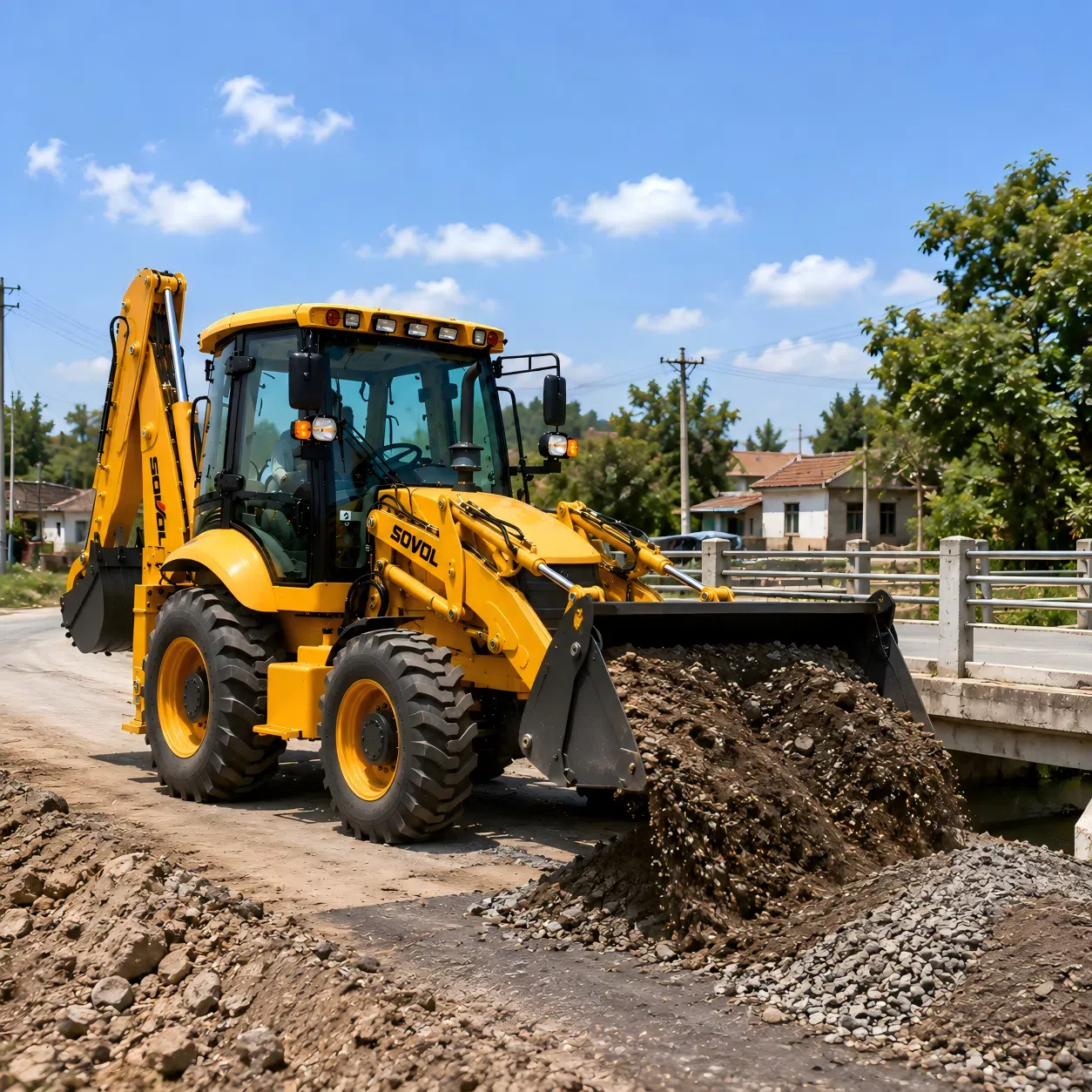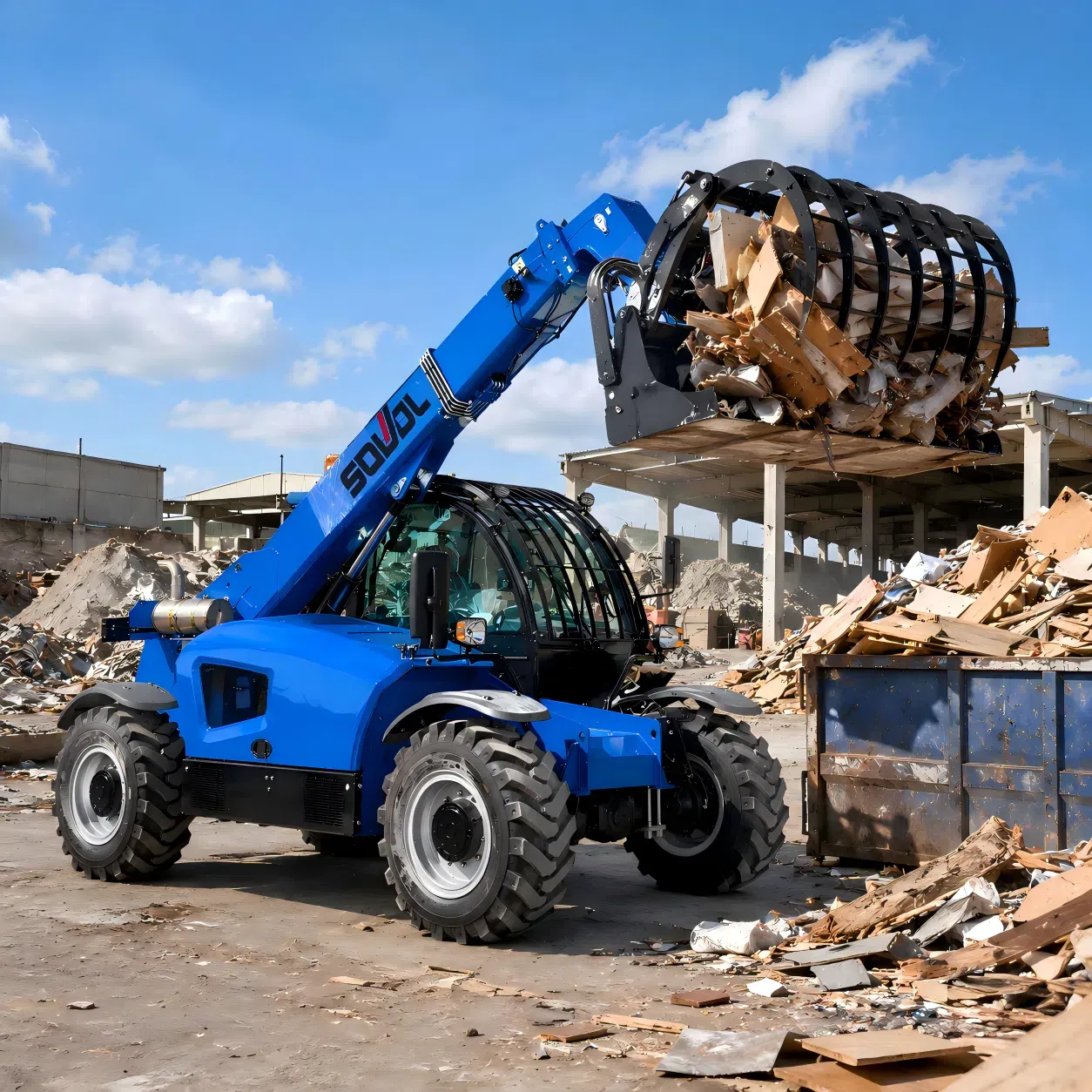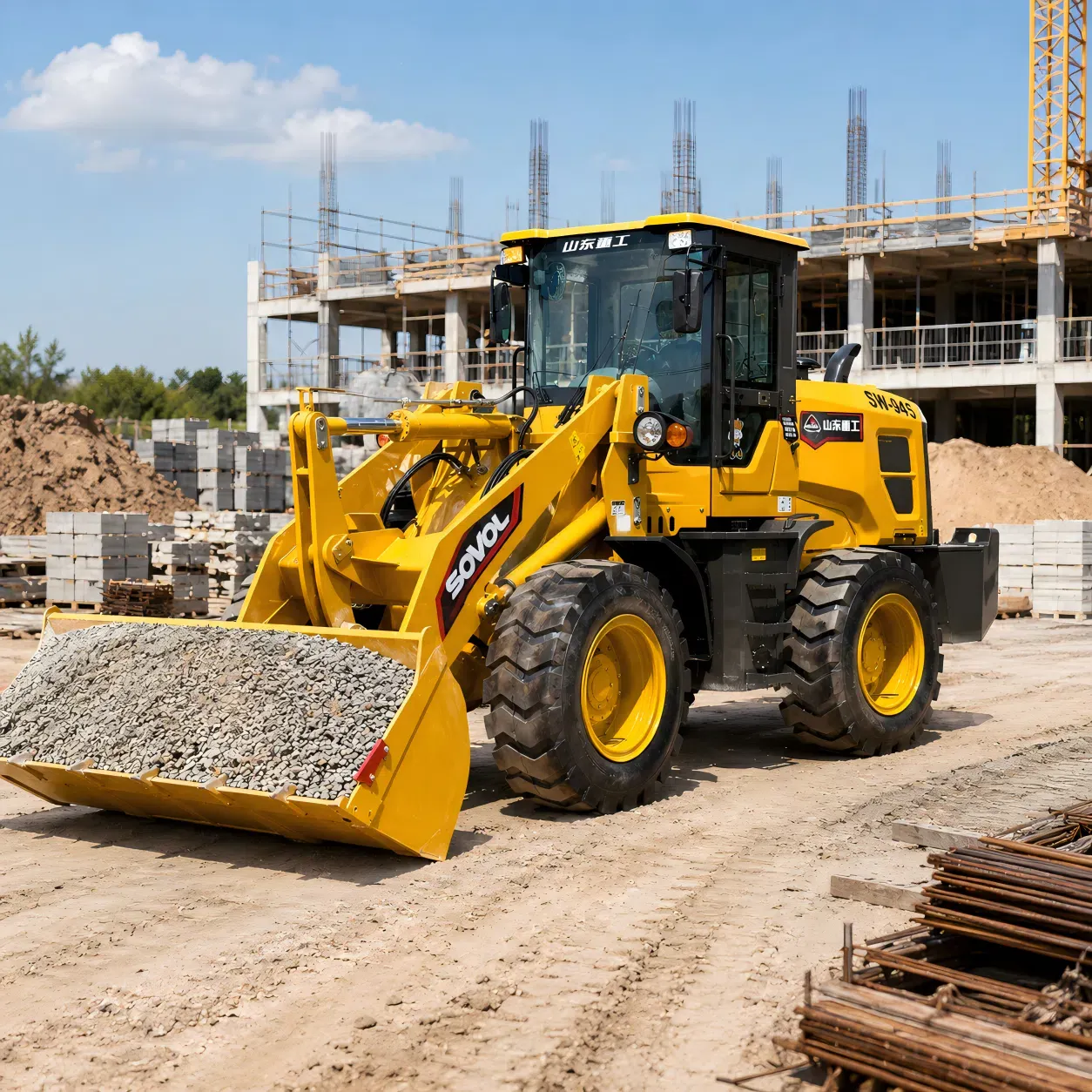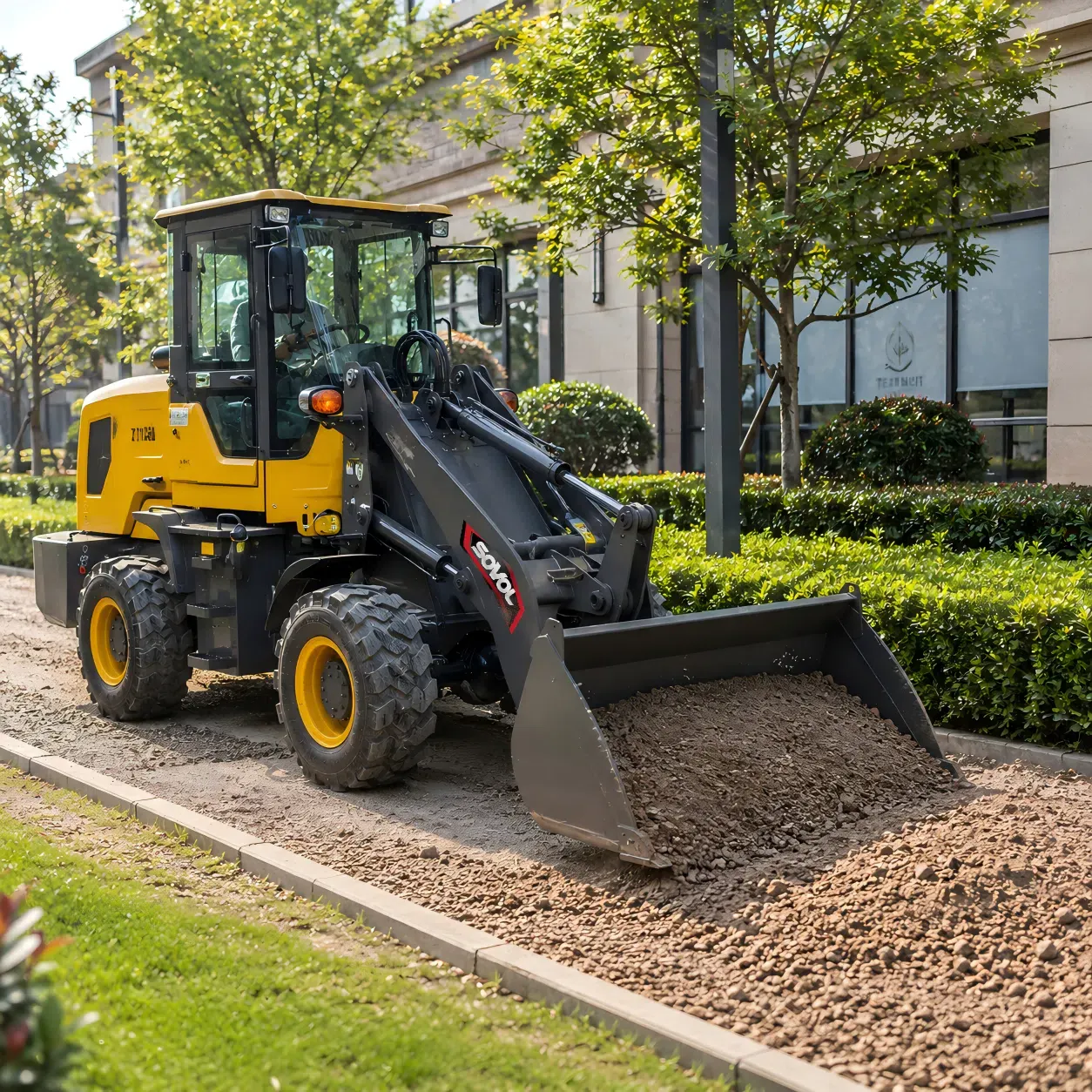
Compact and low-emission loaders are attracting greater attention across construction, agriculture, landscaping, municipal maintenance and material-handling markets.
Customers increasingly need machines that can work efficiently in restricted spaces while meeting stricter expectations for exhaust emissions, noise and operating efficiency. This is encouraging equipment manufacturers to develop smaller loaders with cleaner diesel engines, battery-electric powertrains and versatile attachment systems.
Compact Equipment for Changing Worksites
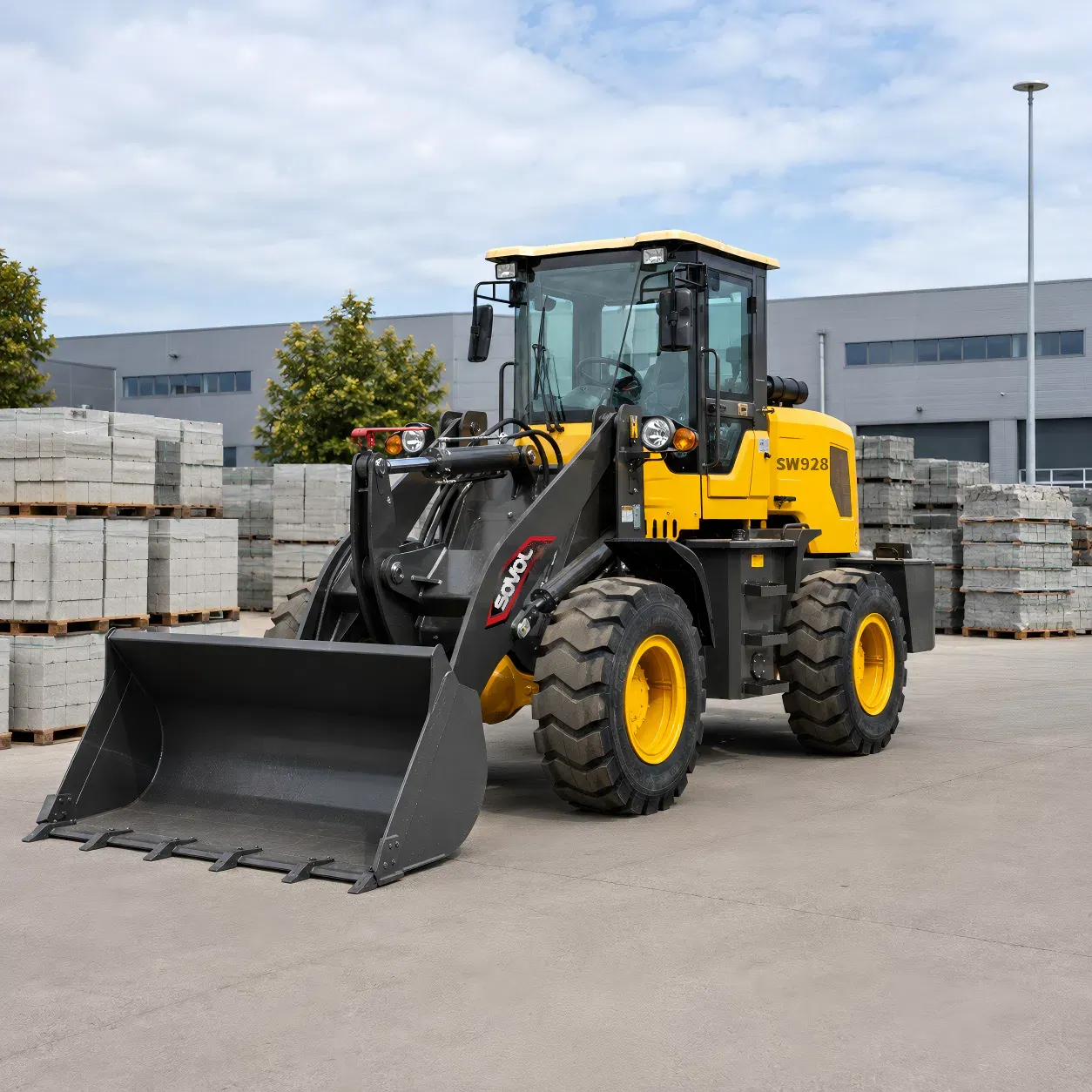
Urban construction sites, warehouses, farms and landscaping projects often have limited operating space. Large machines may provide greater capacity, but they can be difficult to transport and maneuver around buildings, parked vehicles or stored materials.
Compact loaders offer several practical advantages:
· Easier operation in restricted areas
· Lower transport and storage requirements
· Better maneuverability
· Compatibility with multiple attachments
· Suitability for short or frequently changing tasks
Emission Regulations Are Influencing Equipment Selection
Environmental regulations are another important factor affecting loader development.
In the European Union, the Stage V regulation establishes emission limits and type-approval requirements for engines used in non-road mobile machinery, including construction equipment. The regulation covers a broad range of engine power categories and introduced stricter particulate requirements than earlier stages.
Electric Compact Loaders Are Expanding the Market
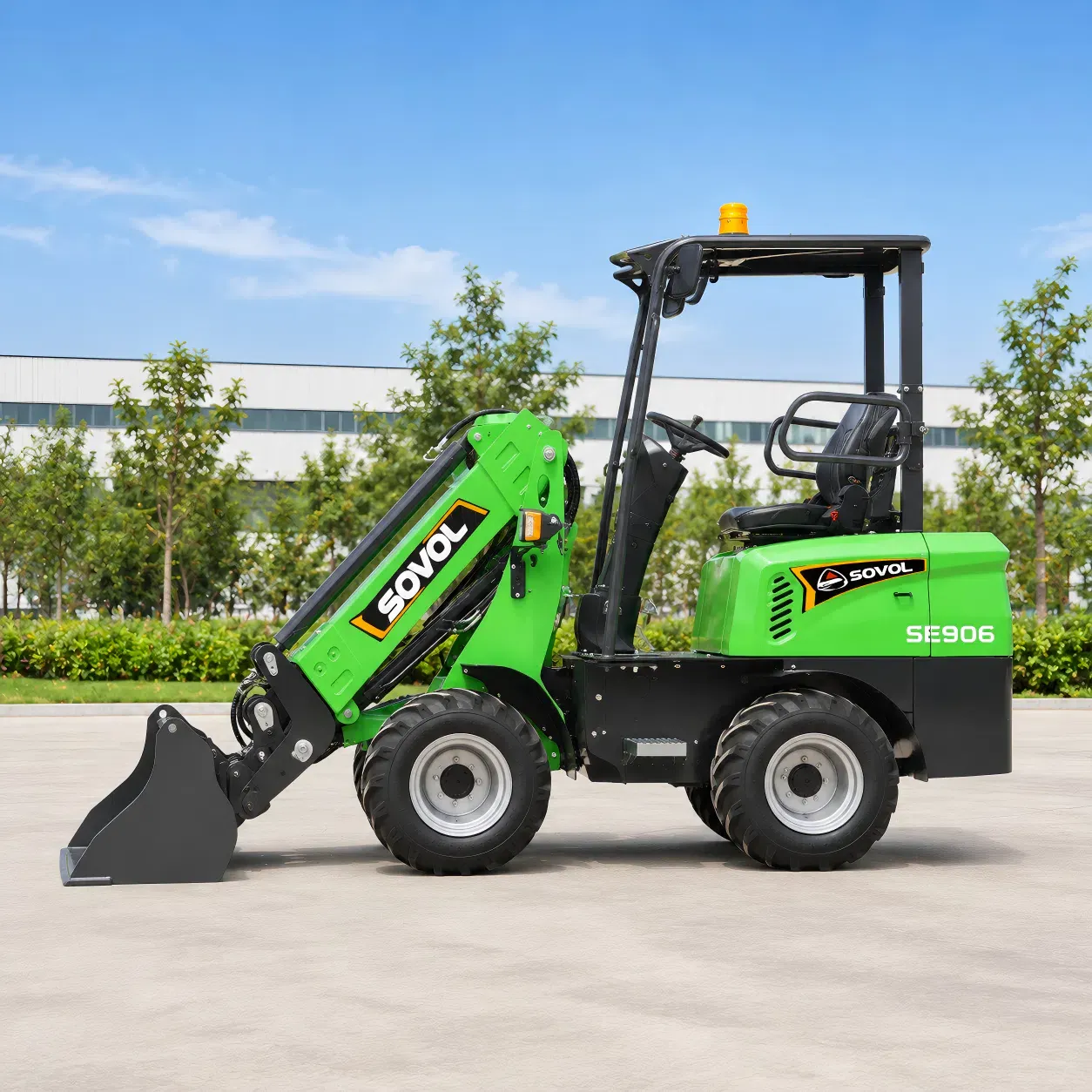
Battery-electric loaders are becoming more visible, particularly in indoor, urban and environmentally sensitive applications.
Volvo Construction Equipment, for example, continues to promote its L25 Electric compact wheel loader for applications requiring zero exhaust emissions and lower noise. The company identifies environmentally sensitive areas as an important use case for this type of machine.
Public Procurement Is Supporting Cleaner Equipment
Low-emission construction requirements are beginning to influence public projects in some markets.
Oslo introduced requirements for city-managed construction projects to operate without direct toxic emissions from the beginning of 2025. Similar initiatives and procurement policies are being considered or adopted in other European cities and regions.
A 2025 roadmap developed with construction-sector and government participants also identified public procurement, permit requirements and emission standards as tools for accelerating the deployment of zero-emission construction machinery.
Diesel and Electric Models Will Develop Together
The growth of low-emission equipment does not mean diesel loaders will disappear immediately.
Battery-electric machines can provide important benefits in low-noise and emission-sensitive environments, but purchase cost, charging infrastructure, operating time and local electricity availability remain important considerations.
The market is likely to support several power options rather than a single global solution.
A Broader Shift Toward Efficient Machinery
The growing interest in compact and low-emission loaders reflects a broader change in equipment purchasing priorities.
Customers are increasingly looking beyond maximum engine power and bucket capacity. They also consider:
· Machine dimensions
· Fuel or energy consumption
· Emission compliance
· Noise levels
· Attachment compatibility
· Total operating cost
Compact dimensions help machines work in more locations, while cleaner power systems help users respond to environmental regulations and customer requirements.