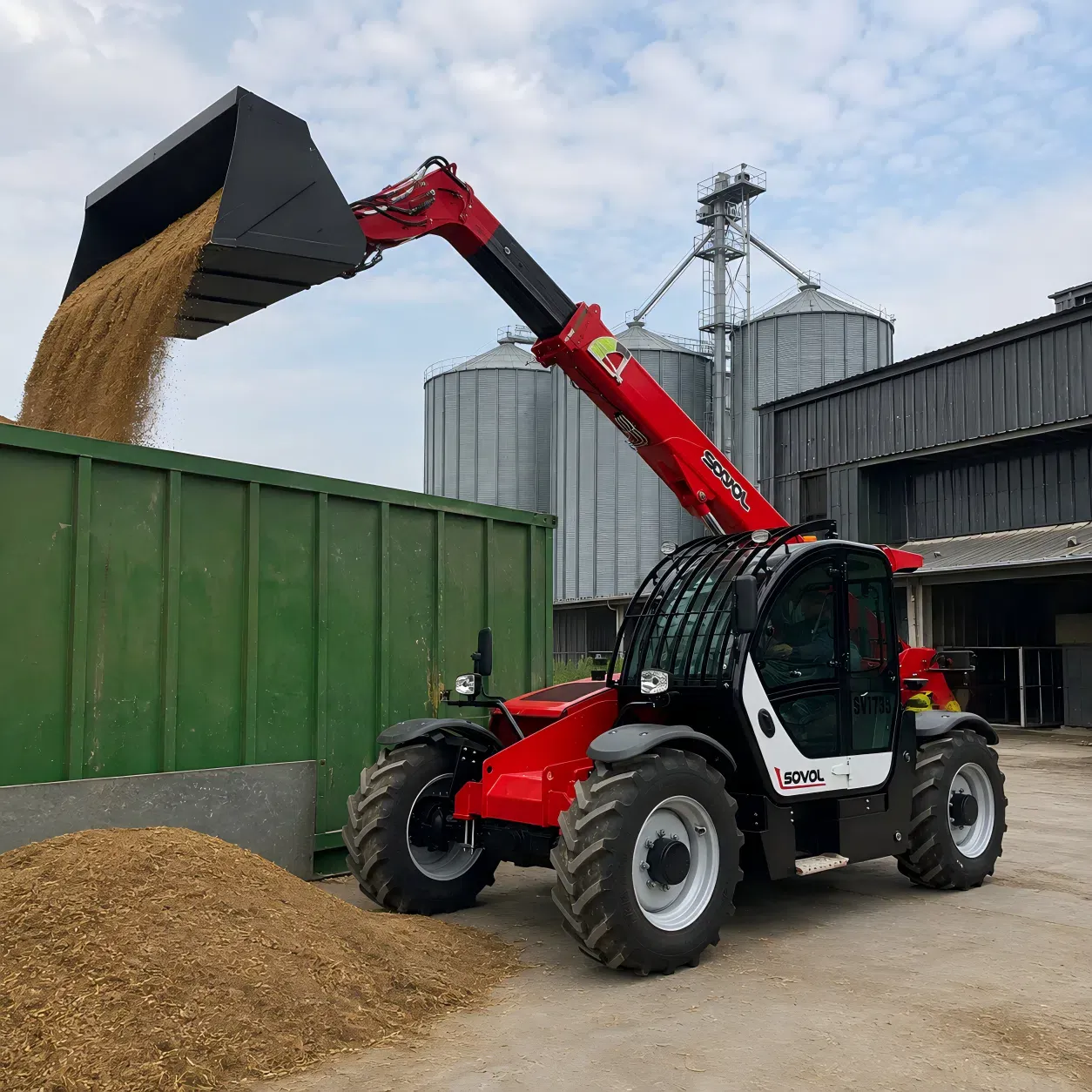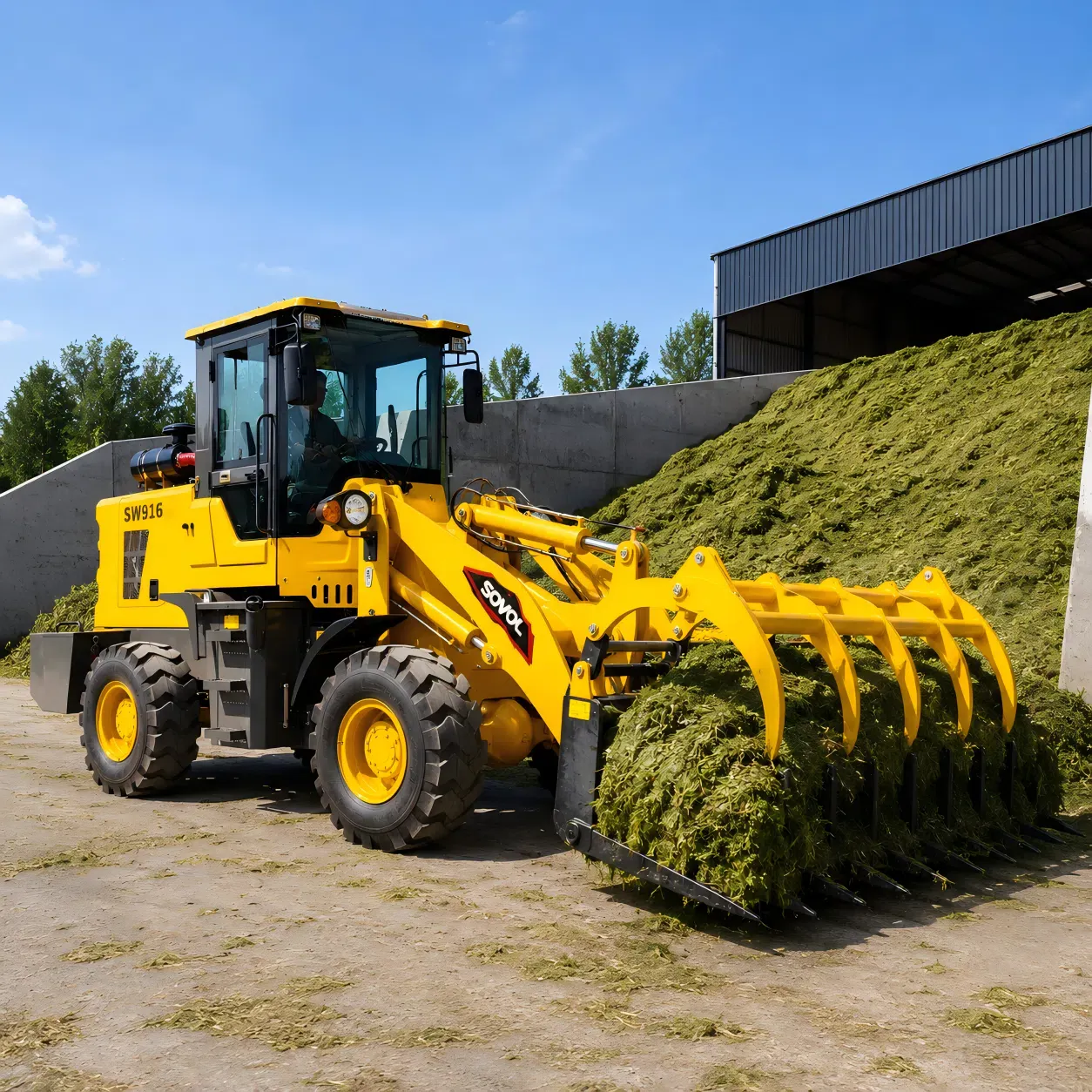
Why Choose a Grass Fork Instead of a Standard Bucket?
Better Handling of Loose Agricultural Materials
Hay, straw and grass are lightweight but bulky materials.
Improve Farm Work Efficiency
A wheel loader equipped with a grass fork can support many daily agricultural tasks
Expand Wheel Loader Versatility
One wheel loader can support different seasonal tasks by changing attachments
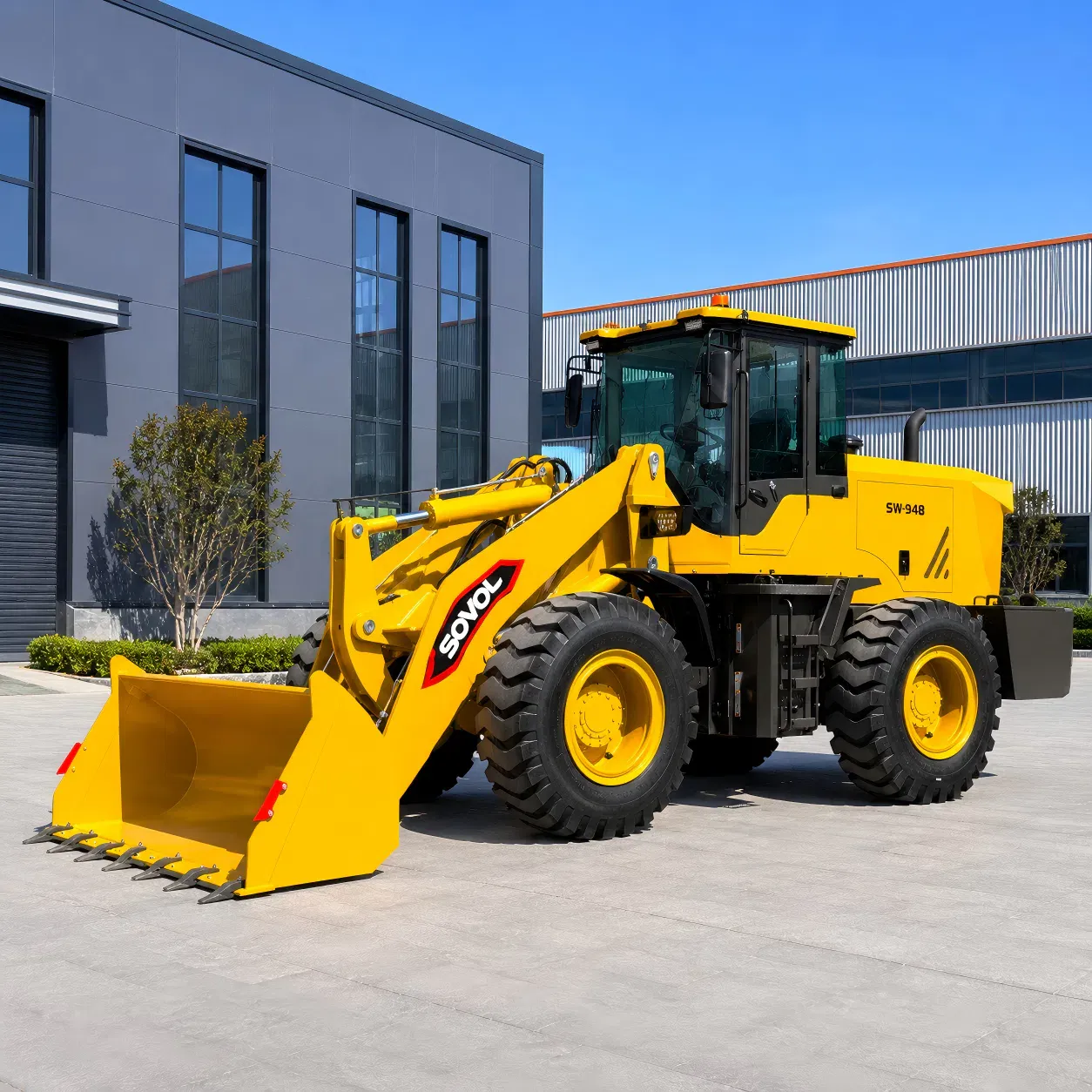
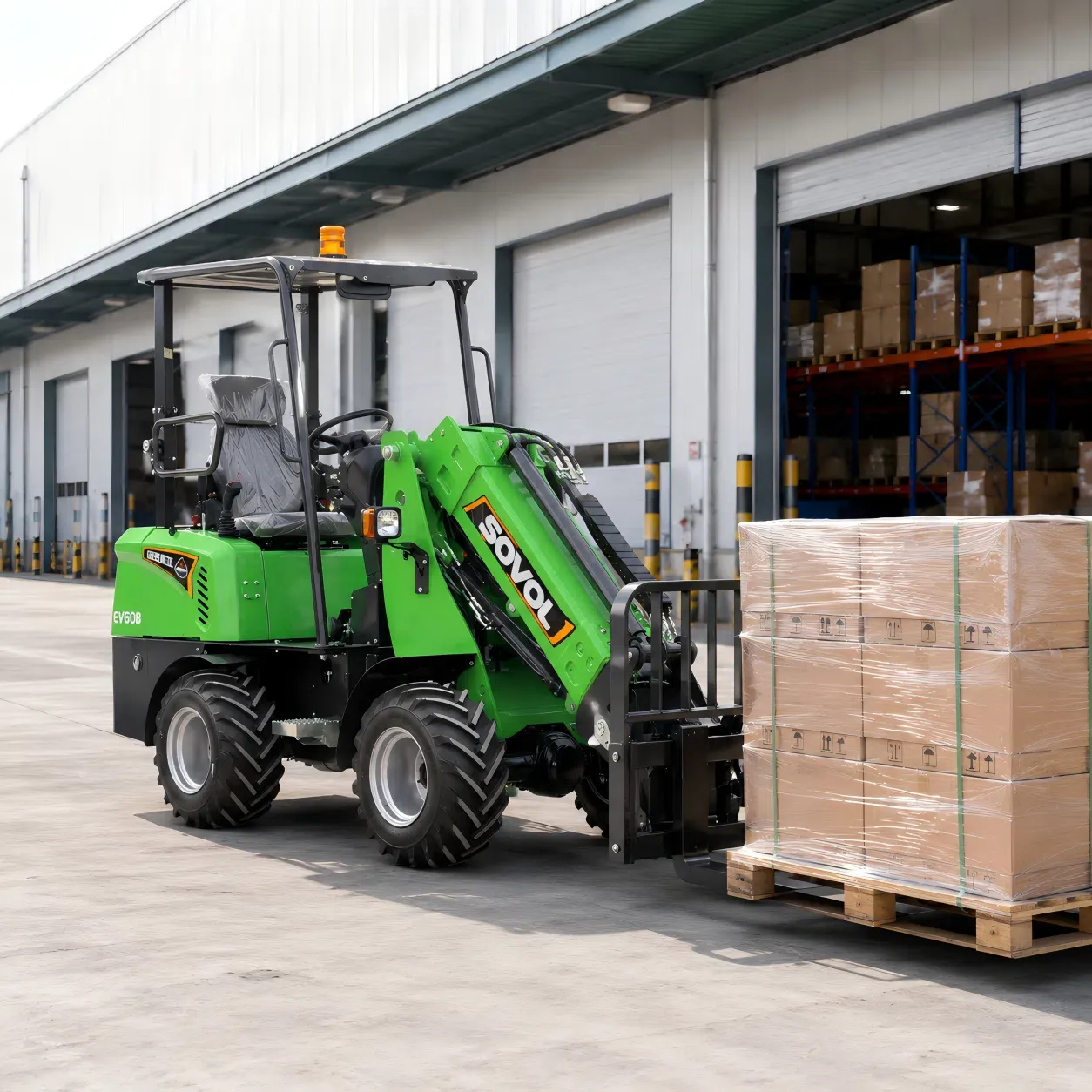
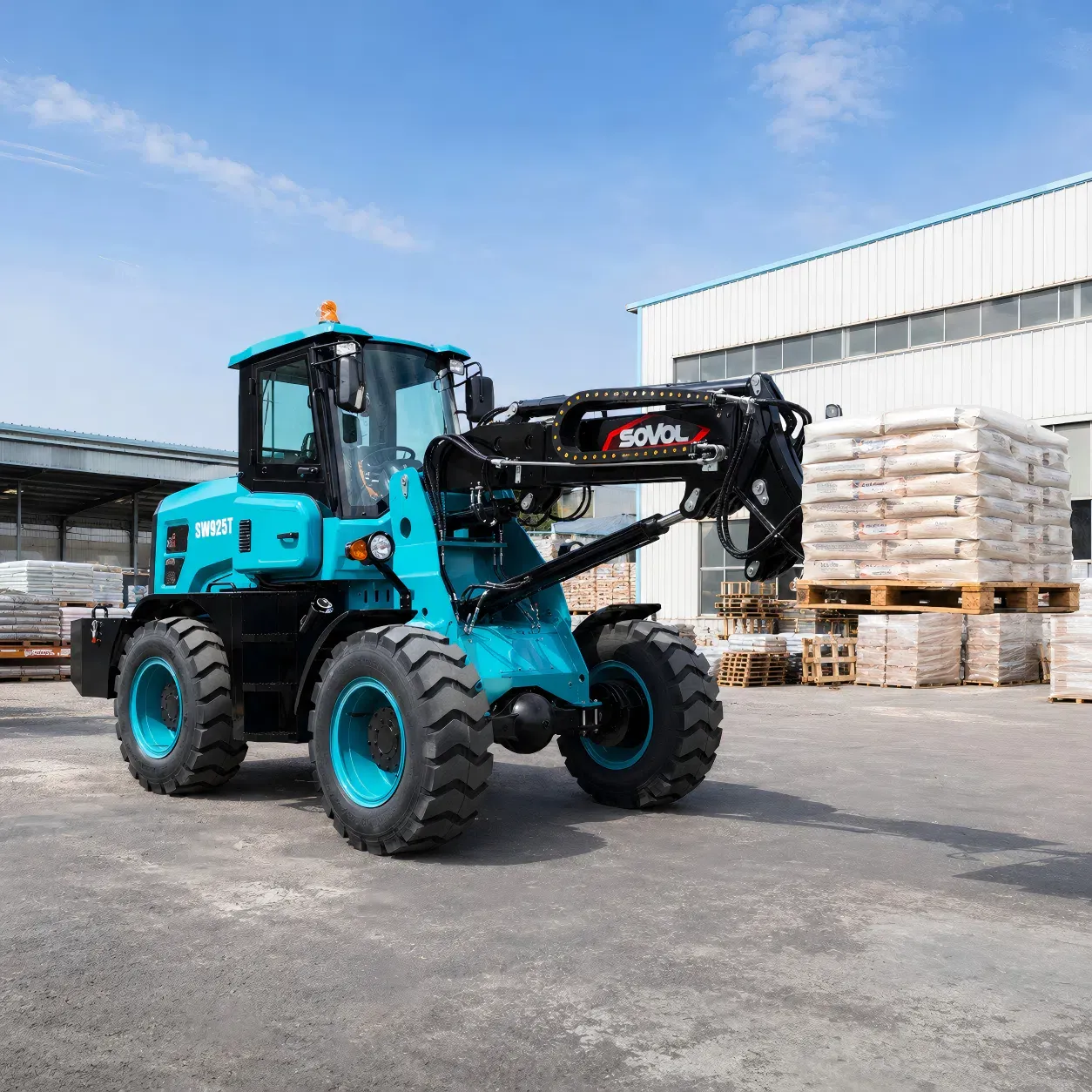
Recommended Wheel Loader Models
Small Farm and Yard Handling Solution
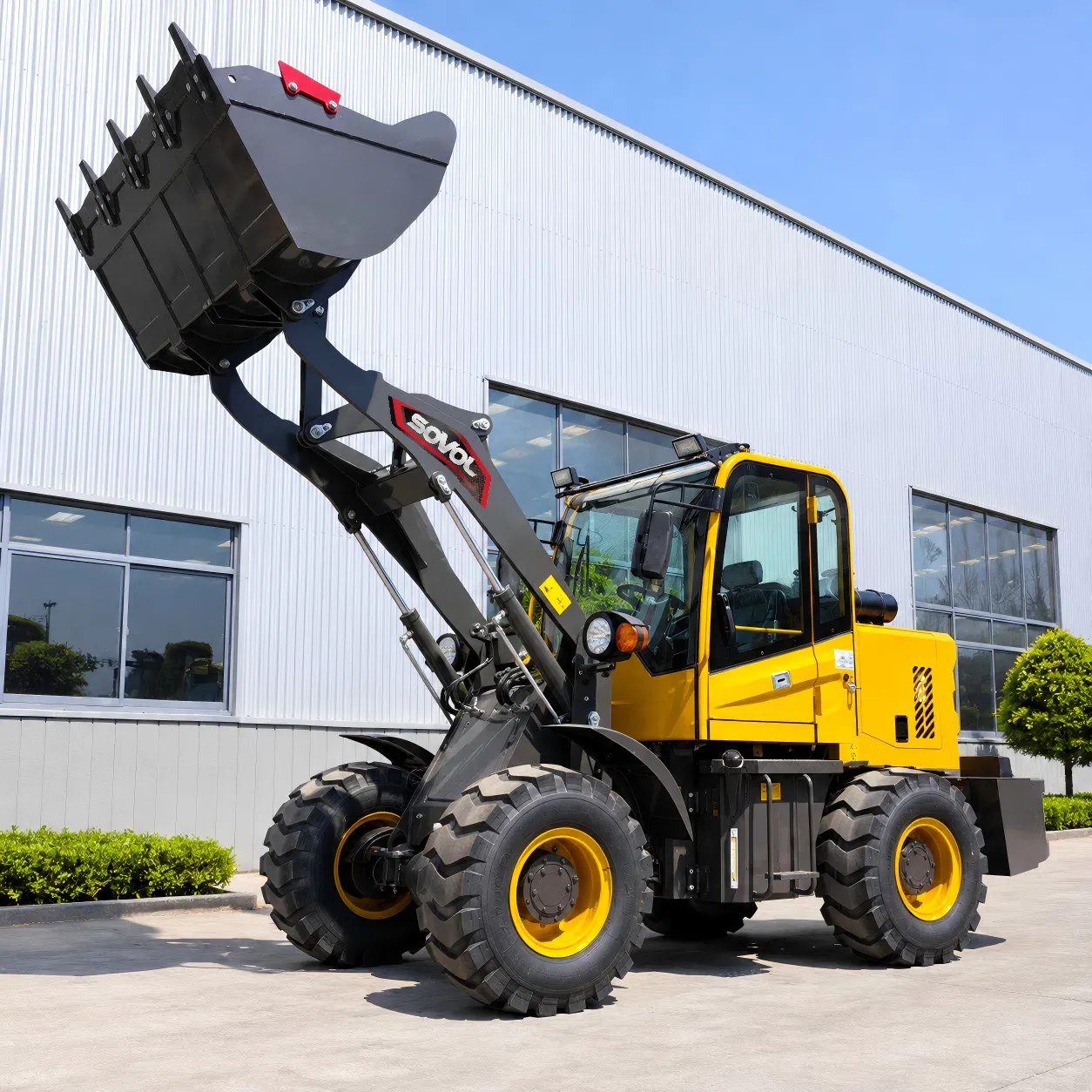
Practical Farm Material Handling Machine
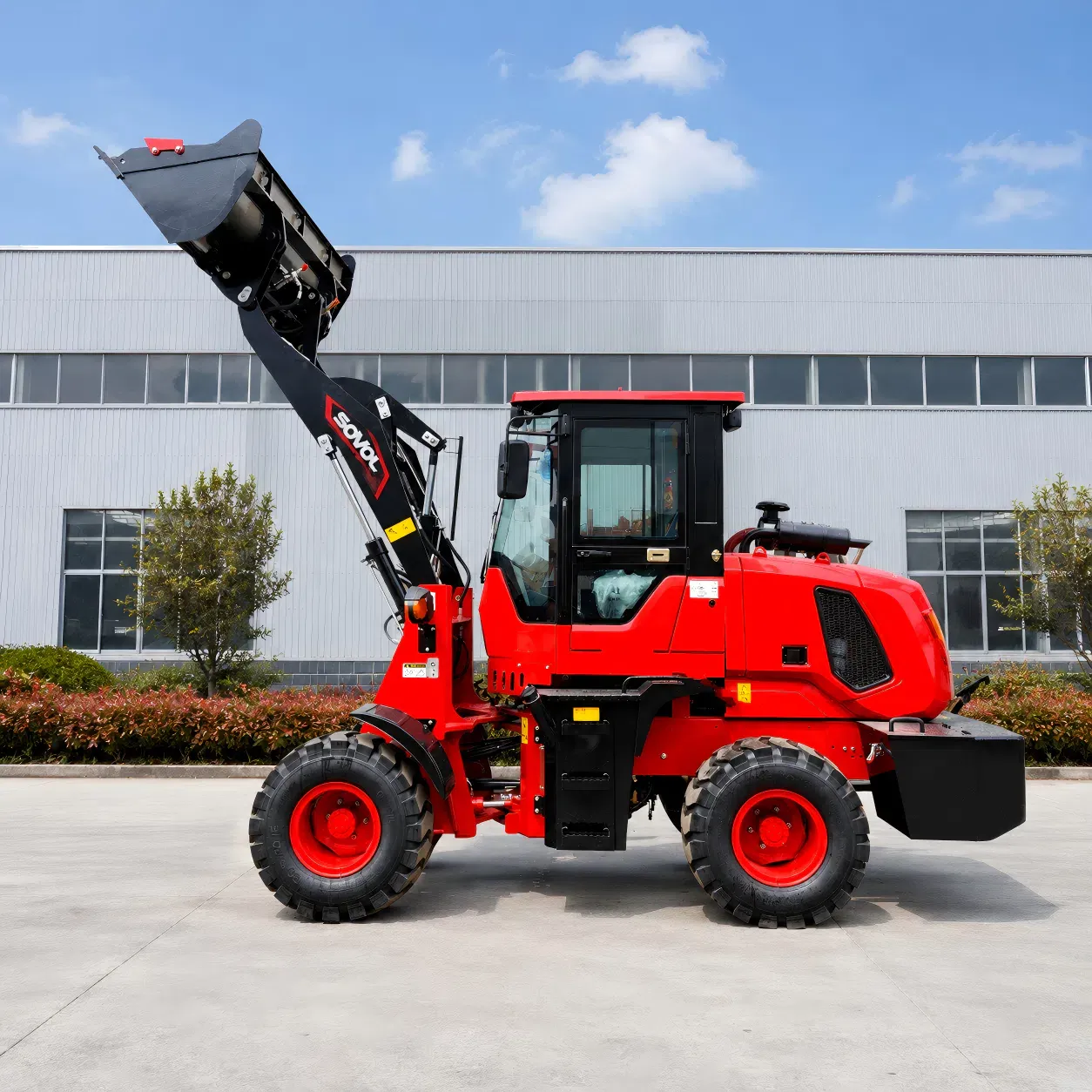
Higher Productivity Farm Loader
Typical Applications
Hay and Straw Handling
Livestock Farms
Agricultural Warehouses
Rural Contractors
Attachment Matching Considerations
Before selecting a grass fork, consider:
Wheel Loader Compatibility
· Loader model
· Attachment mounting system
· Rated lifting capacity
· Front-end stability
Material Characteristics
· Hay bale size
· Material weight
· Storage method
· Handling frequency
Working Environment
Different farms may require different solutions:
· Open fields
· Barn areas
· Feed yards
· Storage buildings
· Rural roads
Maintenance
Regular maintenance may include:
· Checking fork structure
· Inspecting mounting points
· Checking pins and bushings
· Inspecting weld areas
· Cleaning agricultural residues
Proper maintenance helps improve attachment reliability and service life.
FAQ
Q1: What is a wheel loader grass fork used for?
A grass fork is mainly used for handling hay, straw, grass and other agricultural materials.
Q2: Which wheel loaders can use a grass fork?
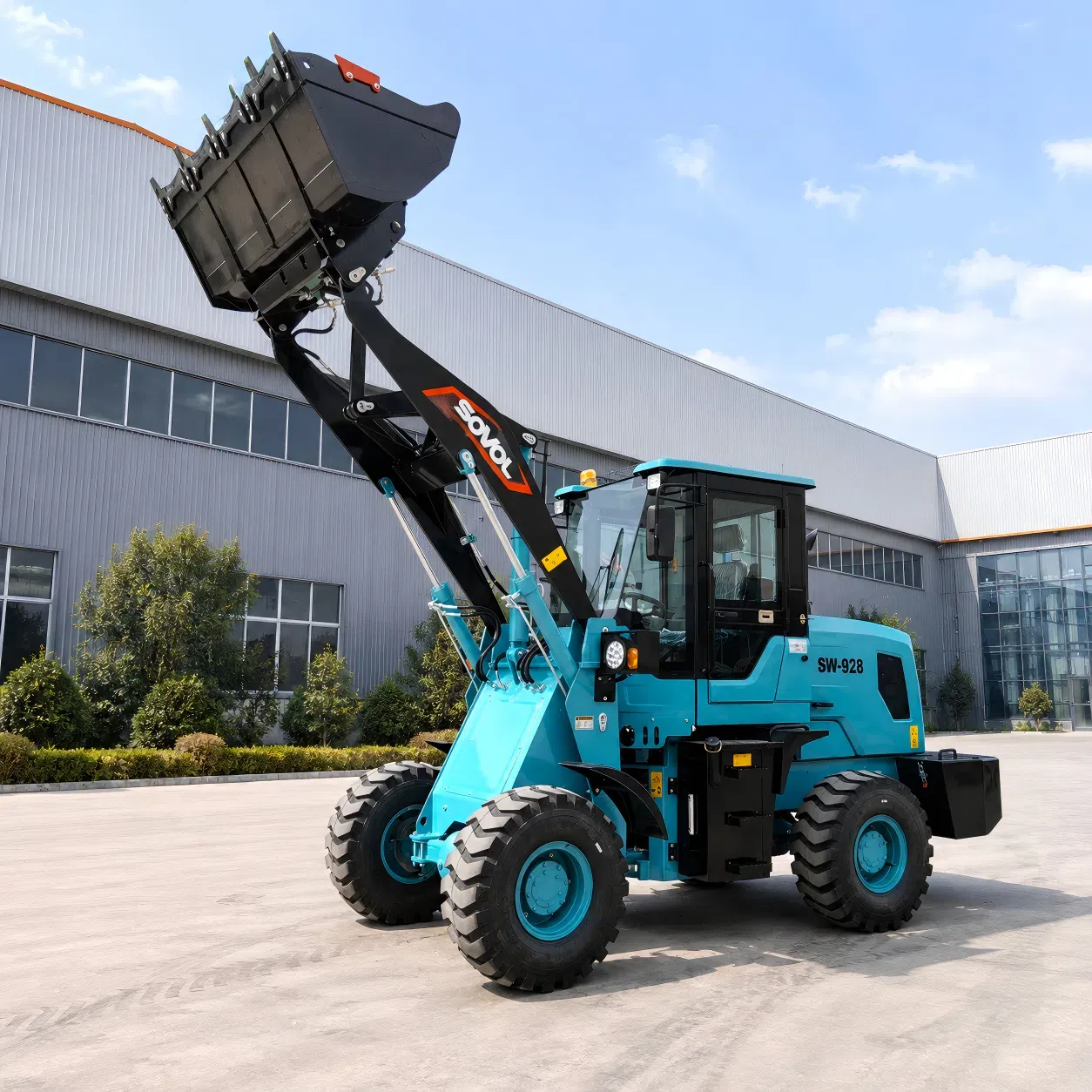
SW906, SW916 and SW928 can be considered depending on attachment weight and loader configuration.
Q3: Can a grass fork replace a bucket?
No. A grass fork is designed for agricultural materials, while buckets are better for soil, sand and general bulk loading.