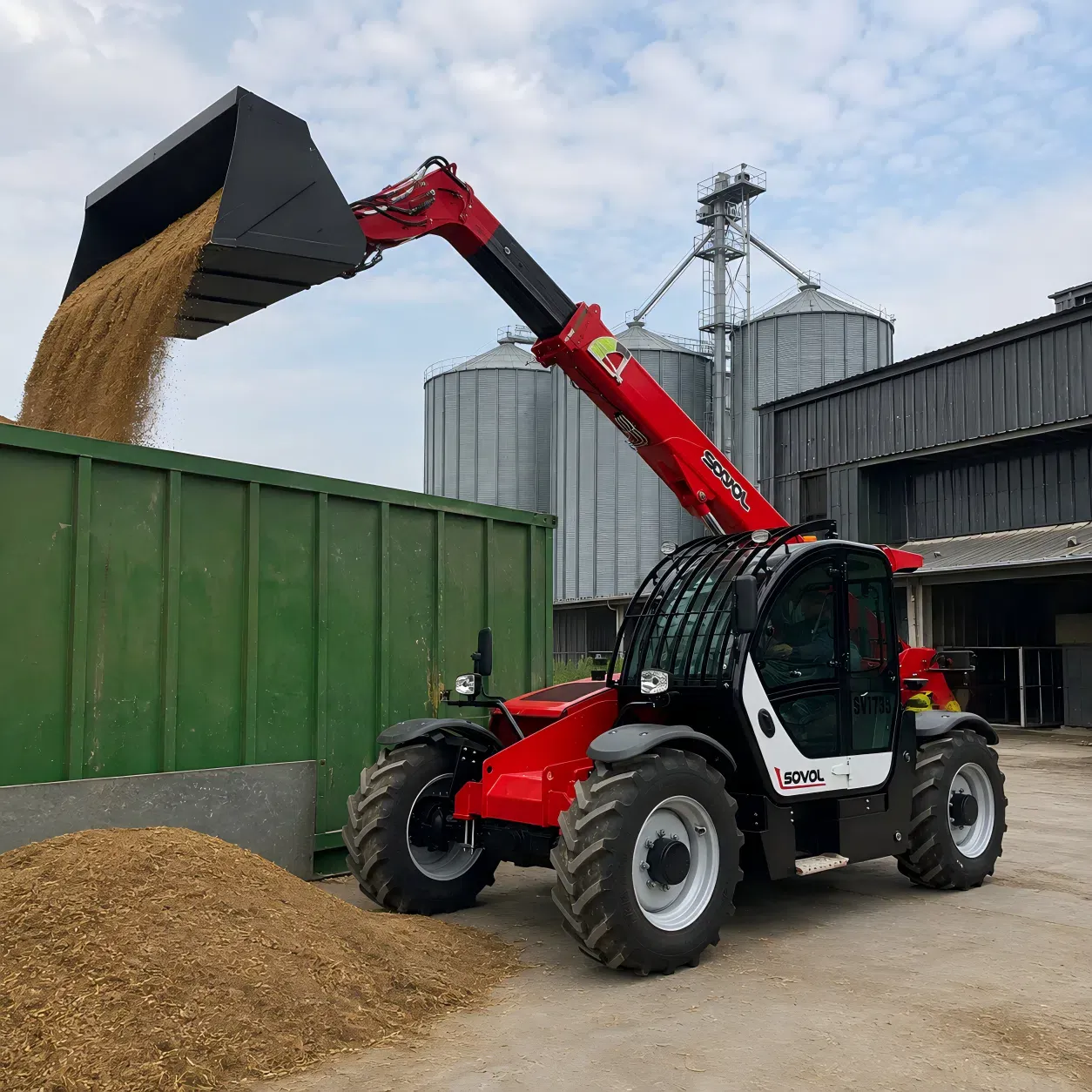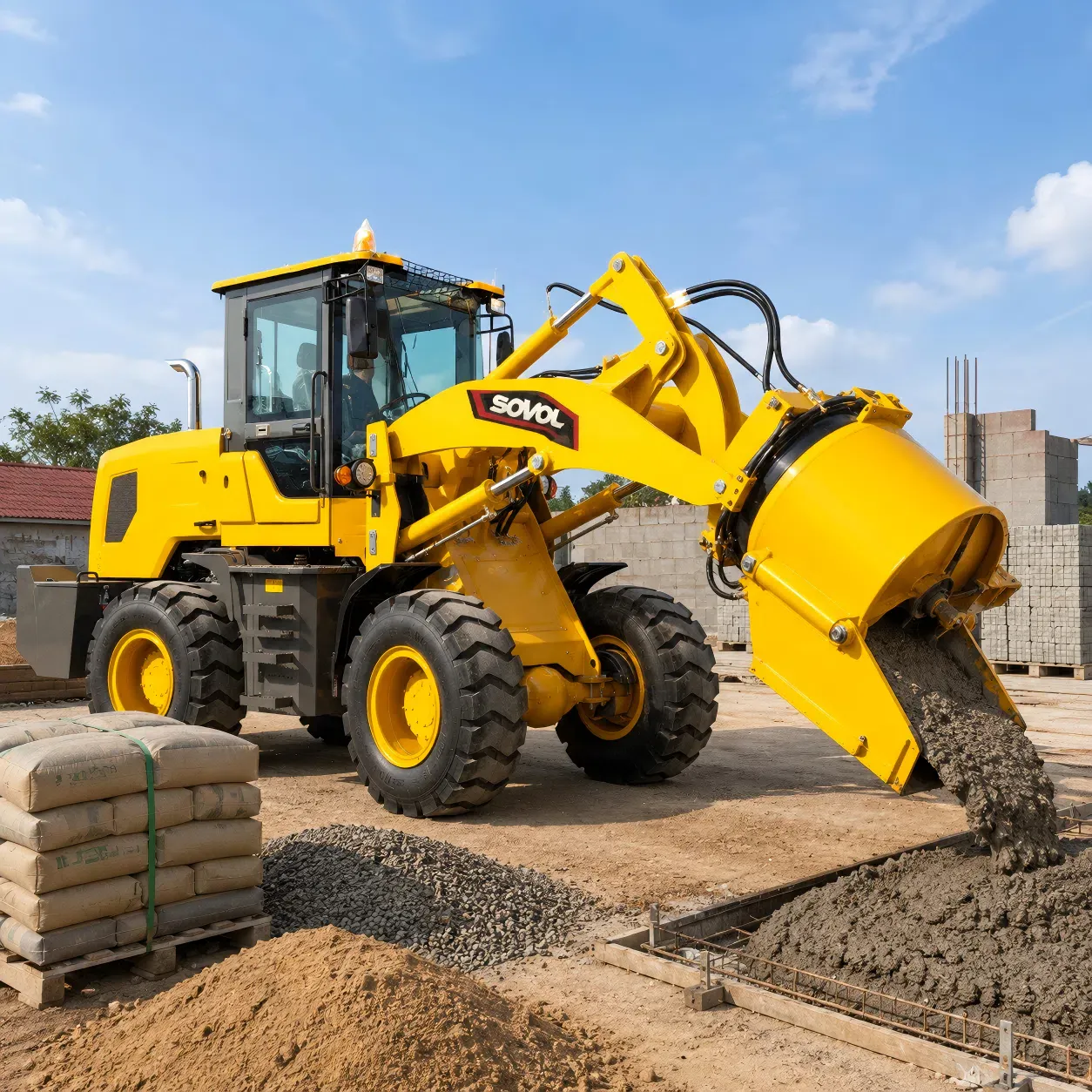
How does a Concrete Mixing Bucket Works?
Material Loading
The wheel loader can use the bucket to collect selected ingredients
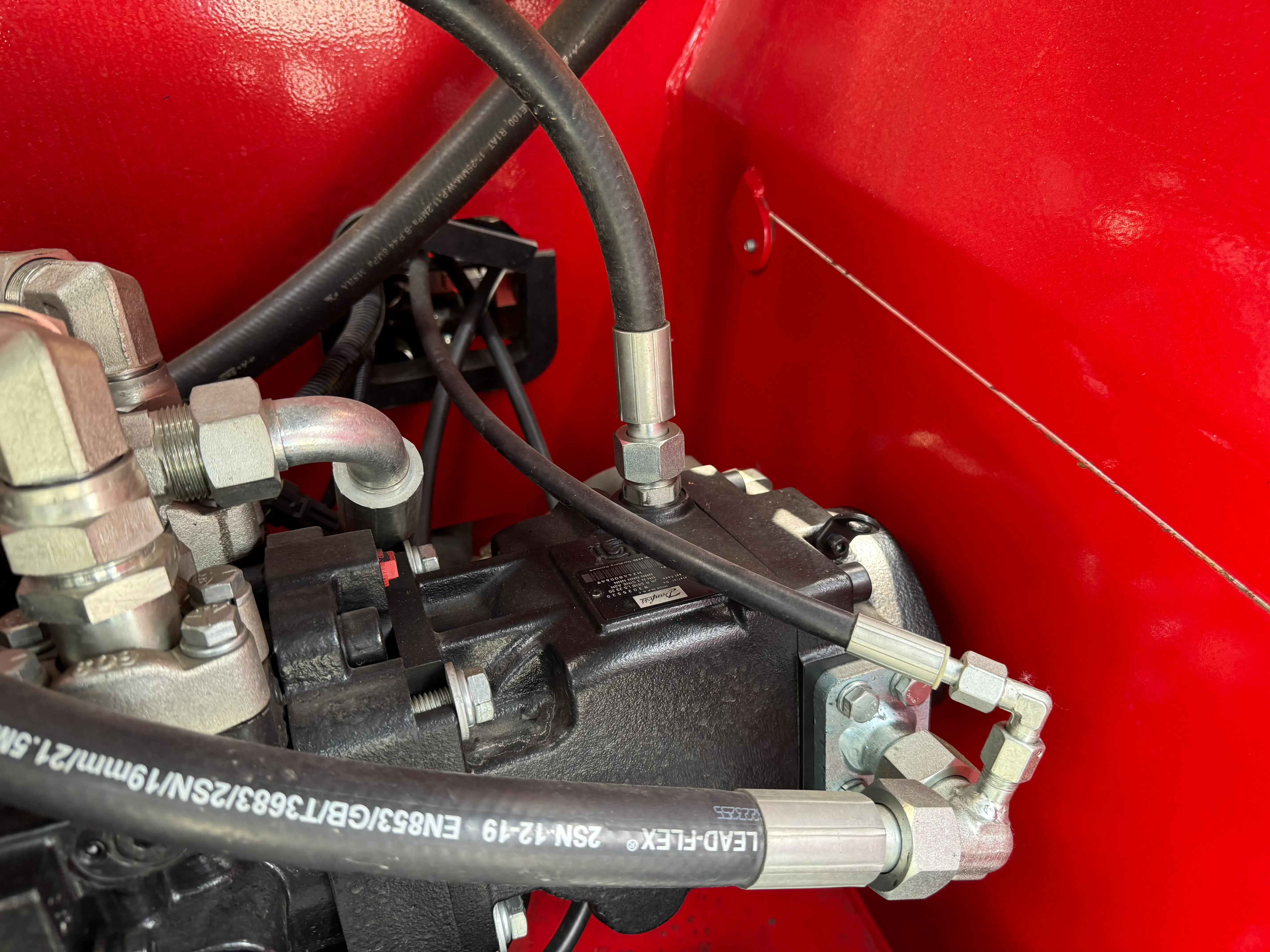
Hydraulic Mixing
An internal auger or mixing shaft rotates through hydraulic power.
Transporting the Mixture
After mixing, the wheel loader carries the concrete to the working location.
This is useful where:
Controlled Discharge
The prepared mixture can be discharged into:
· Foundations
· Post holes
· Formwork
· Drainage channels
· Small slabs
· Repair areas
· Agricultural structures
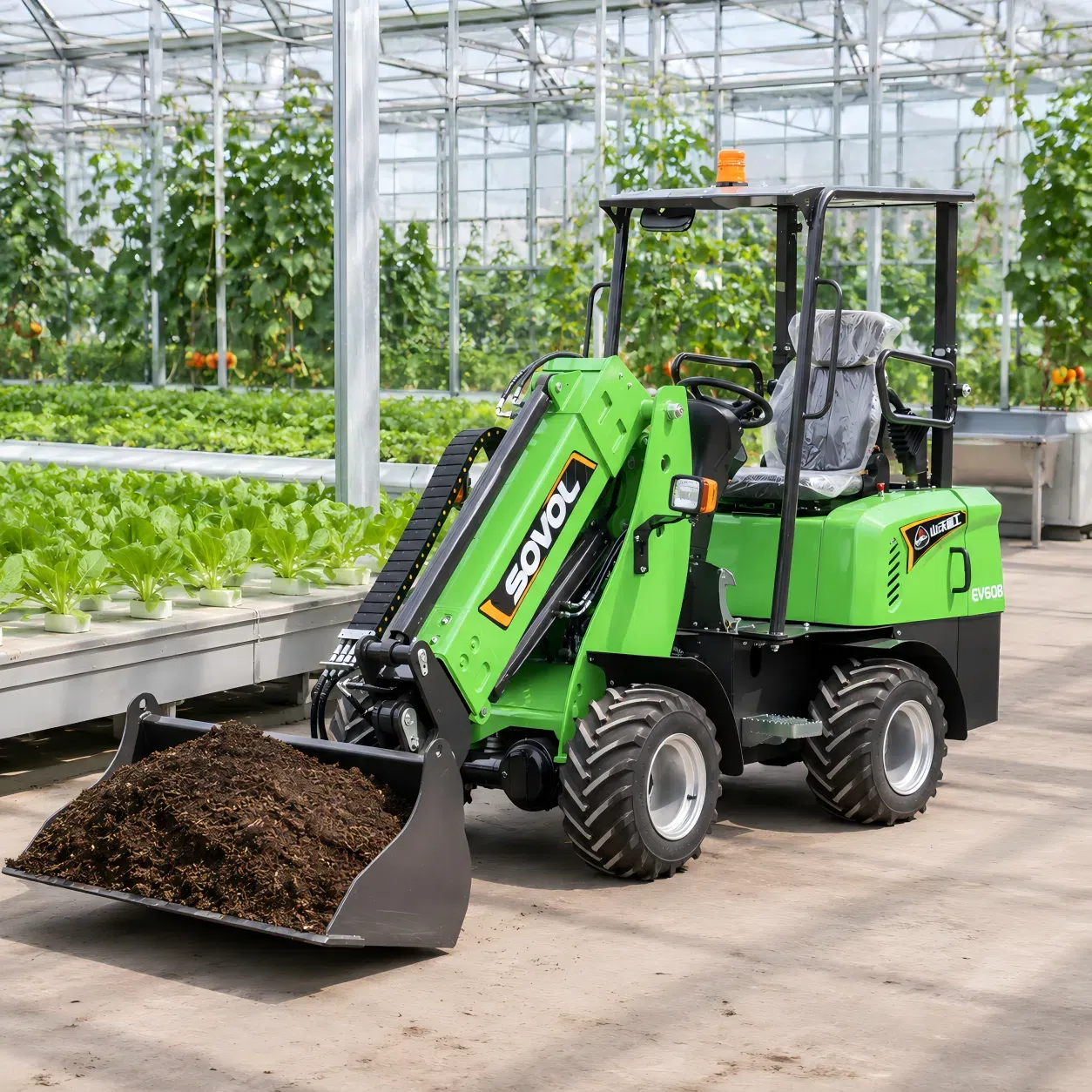
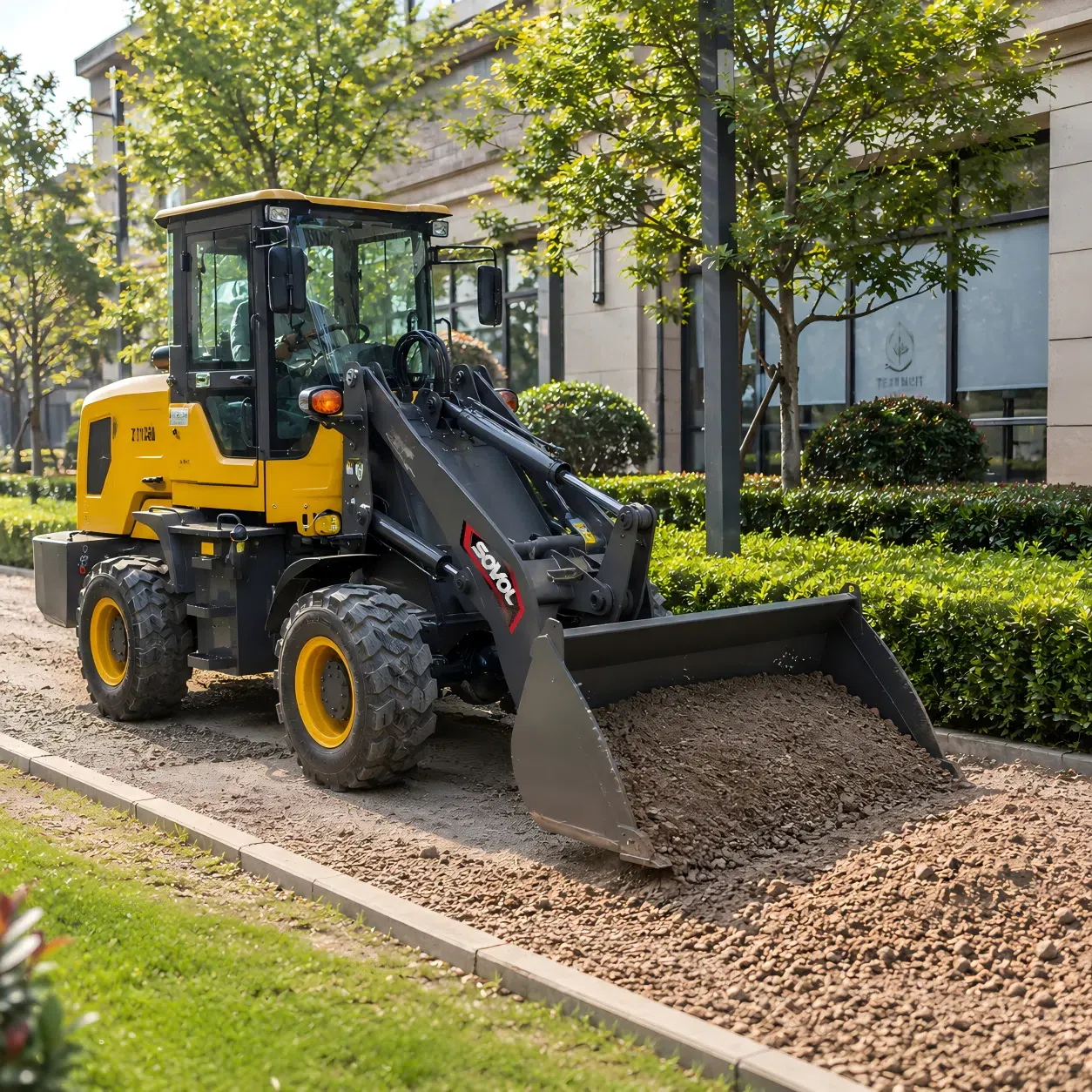
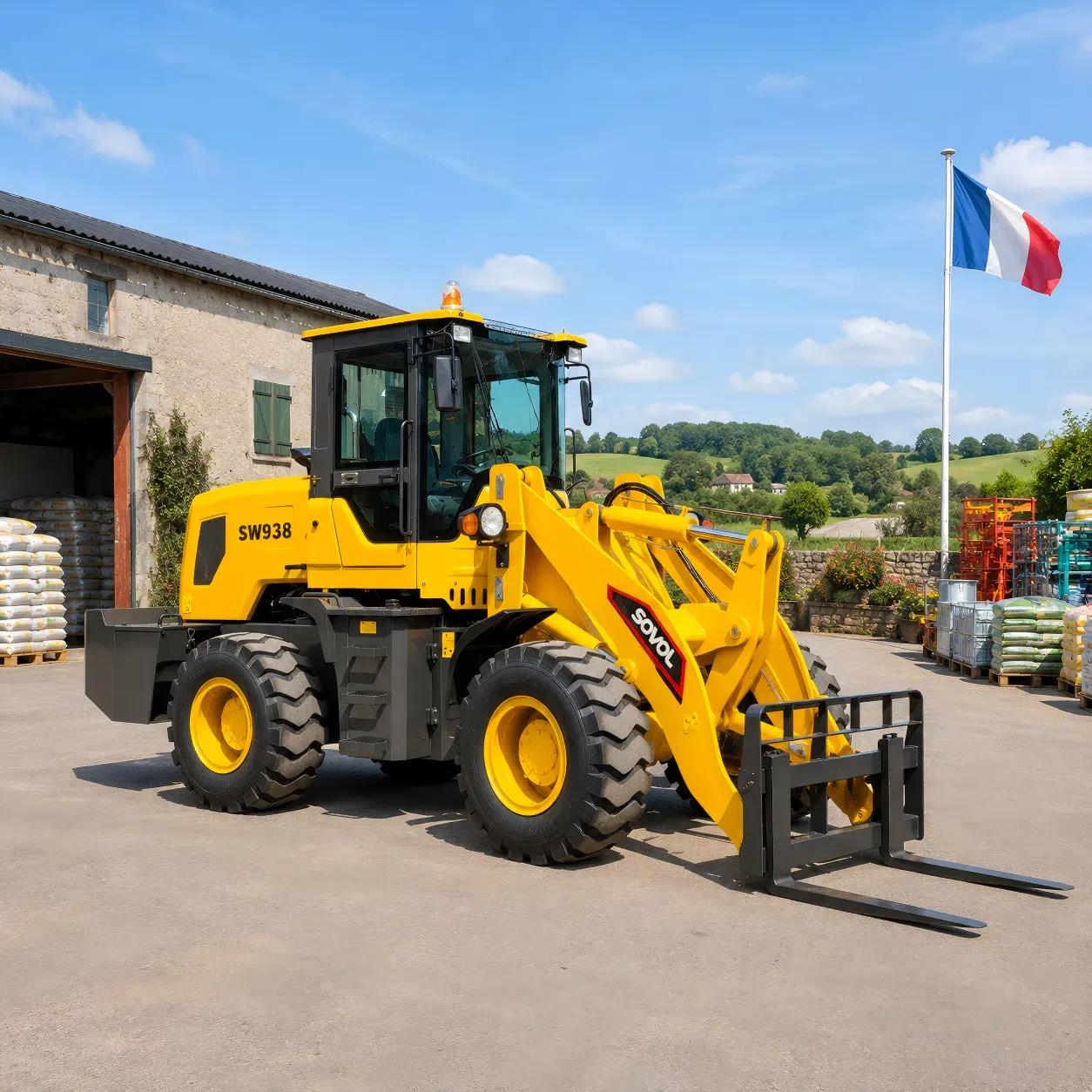
Recommended Wheel Loader Models
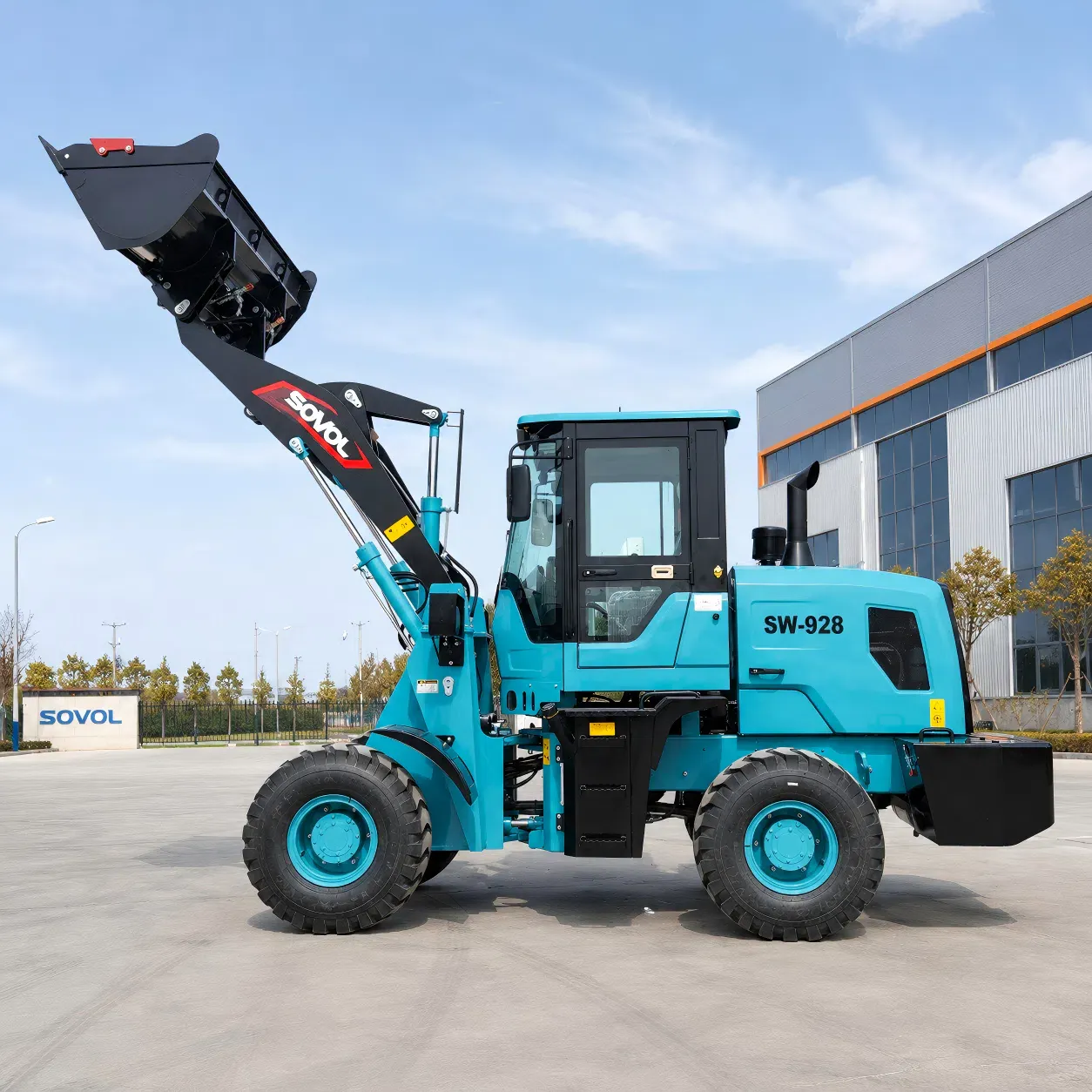
Compact Mixing Solution for Small Construction Projects
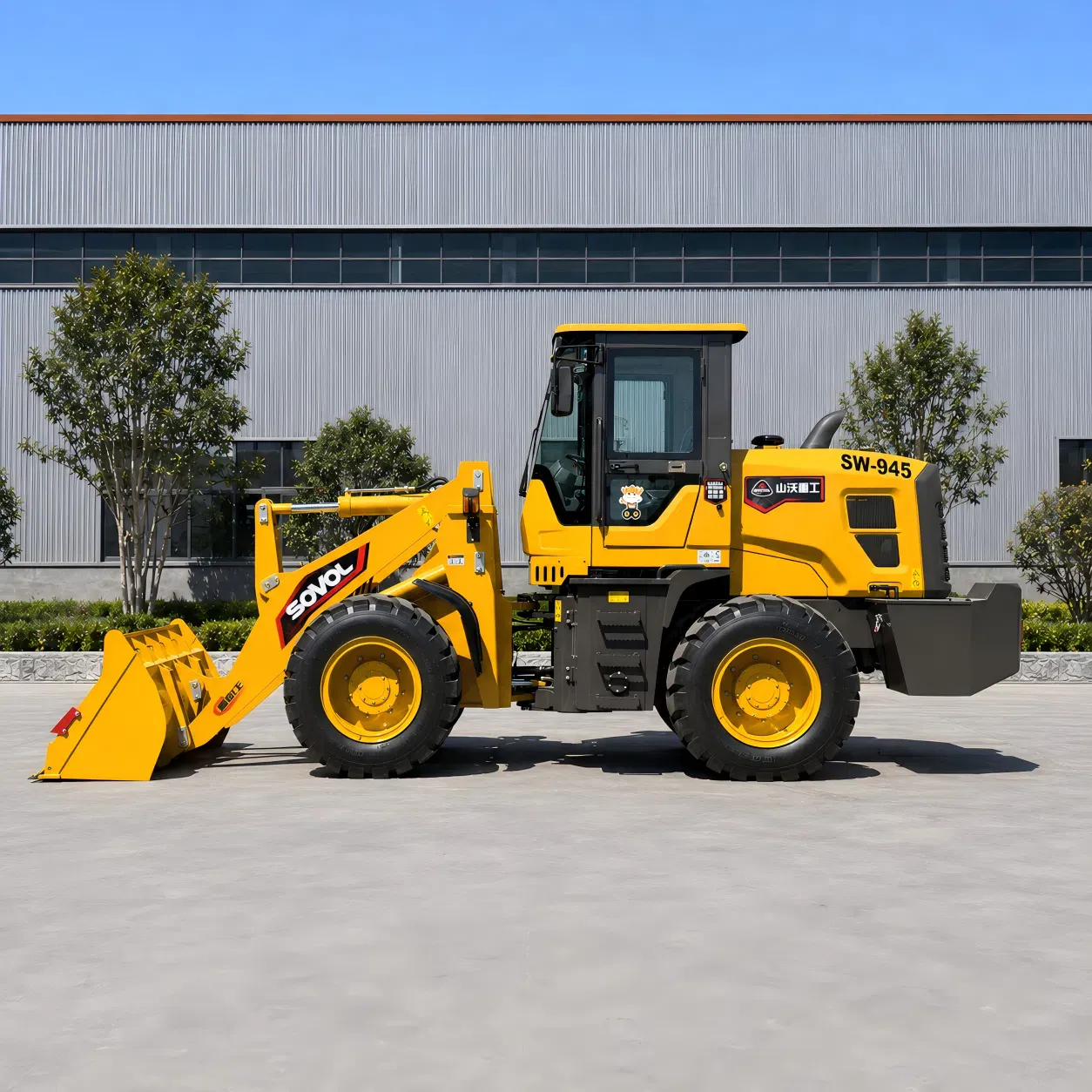
General-Purpose Solution for Construction and Rural Projects
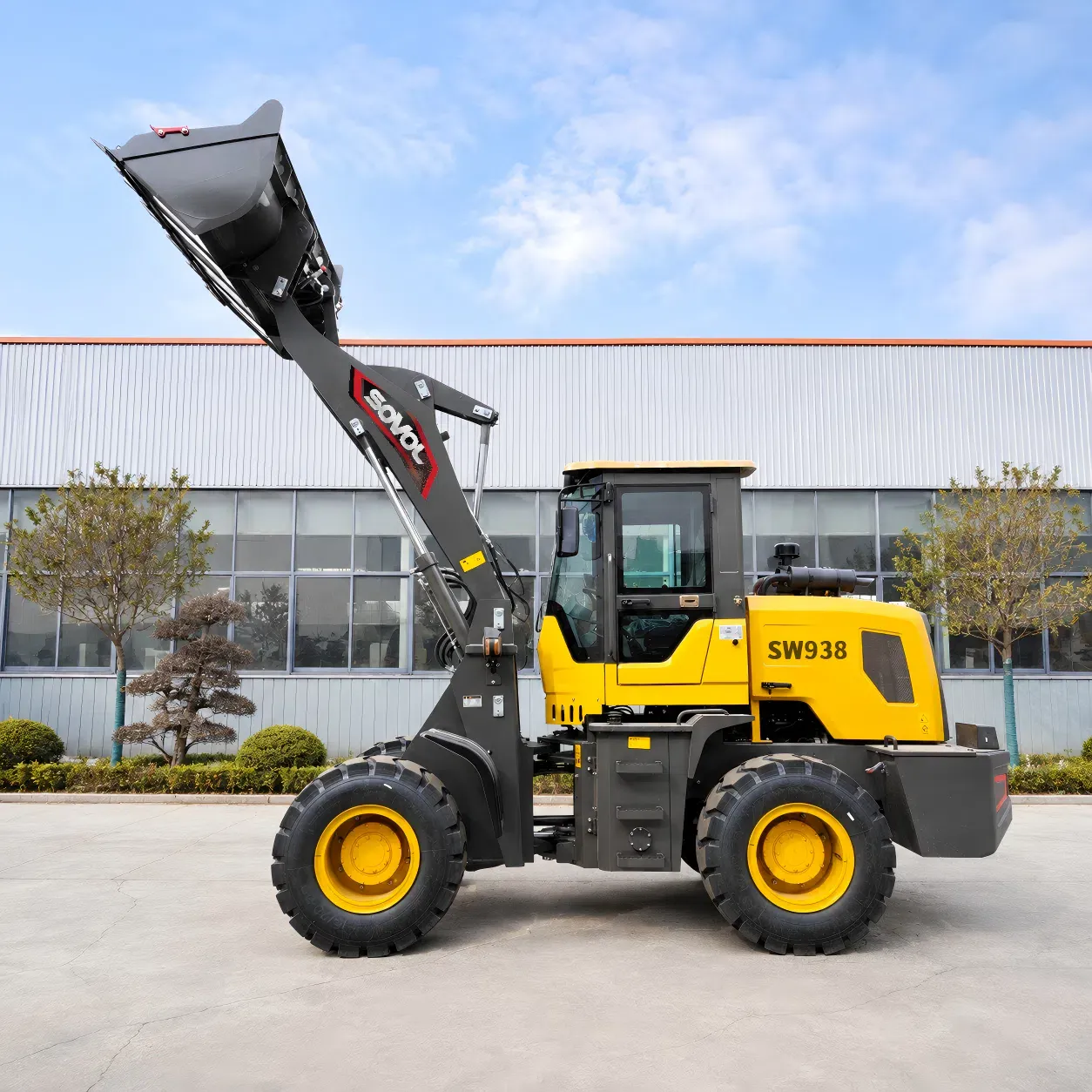
Higher-Capacity Solution for Larger Batches and Contractor Work
Typical Applications
Small Construction Projects
Farm and Agricultural Construction
Rural Infrastructure
Landscaping and Property Development
Repair and Maintenance Work
Concrete Mixing Bucket vs Standard Bucket
| Comparison Item | Concrete Mixing Bucket | Standard Bucket |
| Loading Sand and Aggregate | Yes | Yes |
| Concrete Mixing | Yes | No |
| Controlled Concrete Discharge | Yes | Limited |
| Attachment Weight | Higher | Lower |
| Hydraulic Requirement | Auxiliary hydraulic circuit | Normally no additional circuit |
| Best For | Small-batch mixing and pouring | General loose-material loading |
| Cleaning Requirement | High | Moderate |
Concrete Mixing Bucket vs Standalone Concrete Mixer?
| Comparison Item | Mixing Bucket | Standalone Mixer |
| Material Loading | Loader can collect materials | Materials normally loaded separately |
| Mobility | Moves with the wheel loader | Usually stationary or trailer-mounted |
| Concrete Transport | Bucket carries the mixture | Separate transport may be required |
| Best For | Distributed pours and mobile projects | Fixed mixing location |
| Batch Control | Depends on loading and operator process | Often easier to manage at one location |
| Loader Required | Yes | No |
| Main Advantage | Loading, mixing and transporting in one system | Dedicated mixing equipment |
Concrete Mixing Bucket vs Mixer Truck
| Comparison Item | Mixing Bucket | Mixer Truck |
| Best Project Size | Small and selected medium pours | Larger continuous concrete supply |
| Site Access | Suitable for more restricted or remote areas | Requires suitable road and site access |
| Concrete Volume | Limited per batch | Much higher |
| Mixing Location | On site | Batching plant or truck |
| Main Advantage | Flexible small-batch production | High-volume delivery |
| Best Use | Farms, repairs and remote projects | Larger commercial construction |
FAQ
Q1: What is a wheel loader concrete mixing bucket used for?
It is used to load concrete ingredients, mix them inside the attachment, transport the mixture and discharge it at the worksite.
Q2: Does the attachment require auxiliary hydraulics?
Yes. The internal mixing auger or shaft is normally powered by the loader’s auxiliary hydraulic circuit.
Q3: Can the bucket produce structural concrete?
The bucket can mix concrete, but concrete strength depends on ingredient quality, proportions, water content and project controls. The required mix should follow engineering specifications.
Q4: Can it replace a mixer truck?
It may be suitable for small, remote or distributed pours, but a mixer truck remains more appropriate for high-volume concrete delivery.