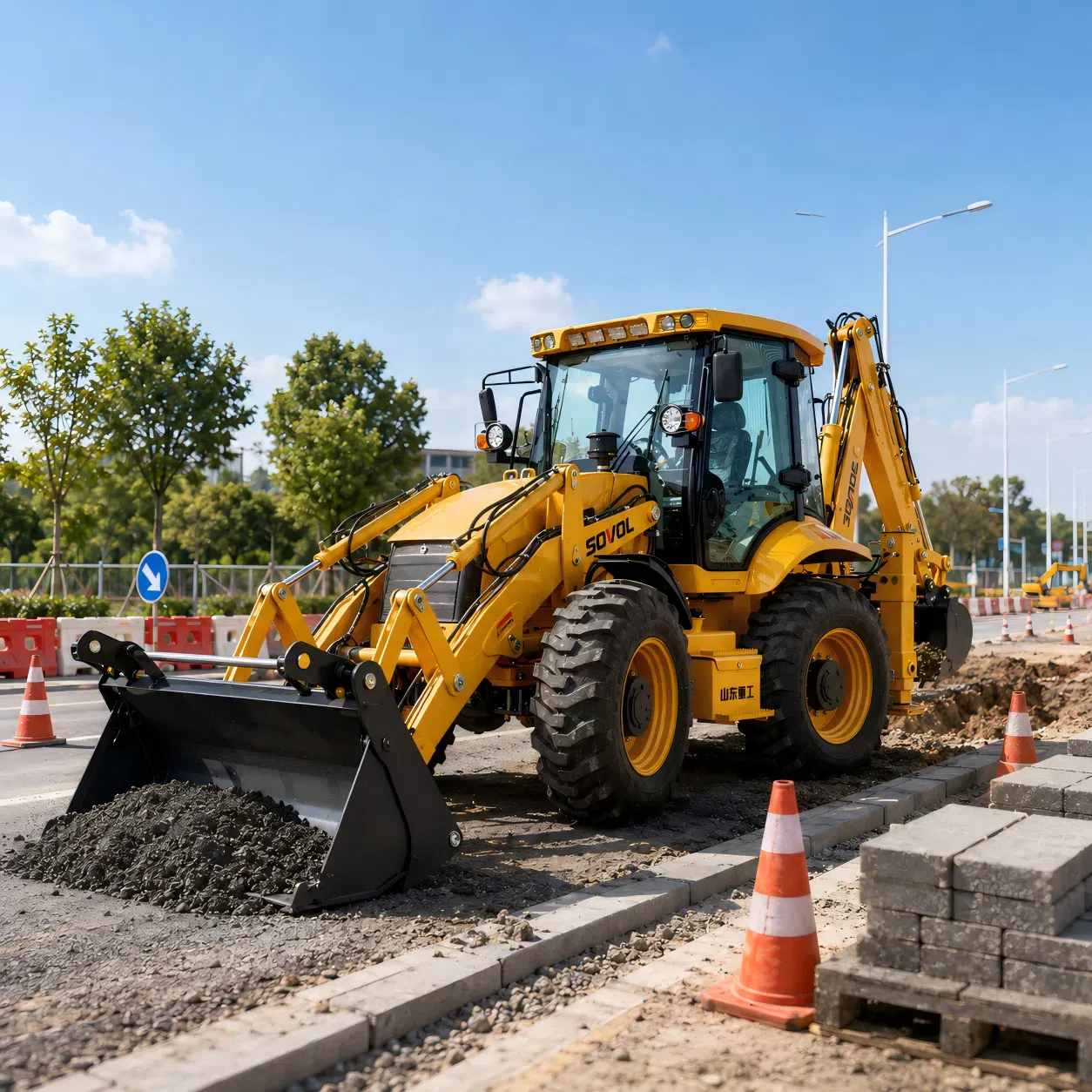
Road Work Applications
The rear excavator can open trenches, remove damaged material and prepare drainage or utility installations. The front bucket can then load excavated soil, move aggregate, backfill completed trenches and clean the road surface.
A typical road-repair work cycle may include:
· Breaking or removing damaged material
· Digging drainage and utility trenches
· Loading soil, gravel and road debris
· Transporting materials around the work zone
· Backfilling completed trenches
· Grading road shoulders
· Cleaning the site before reopening the road
This two-in-one capability is especially useful for repair crews whose daily tasks change frequently and do not justify several dedicated machines on every site.
SW388 or SW388T for Road Maintenance?
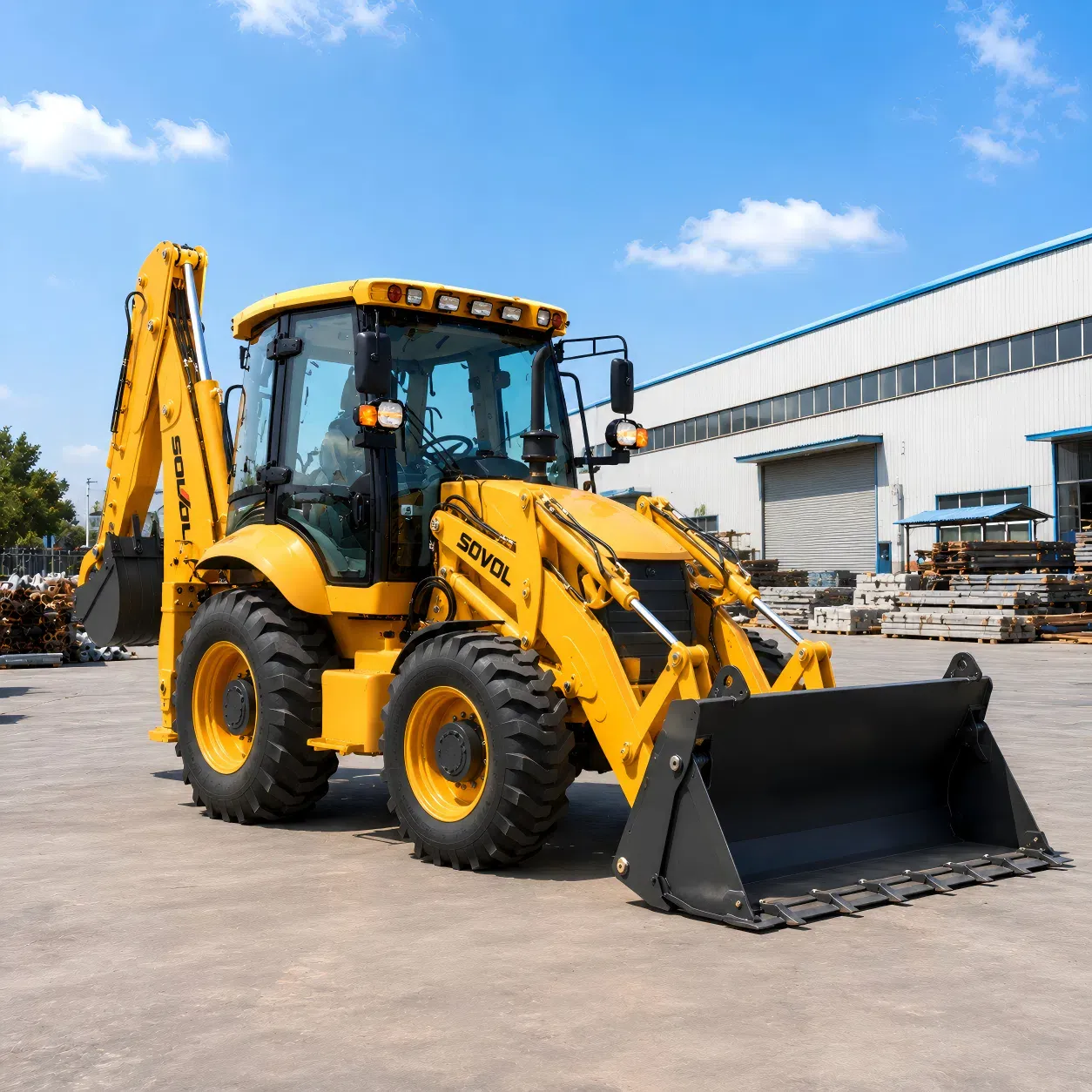
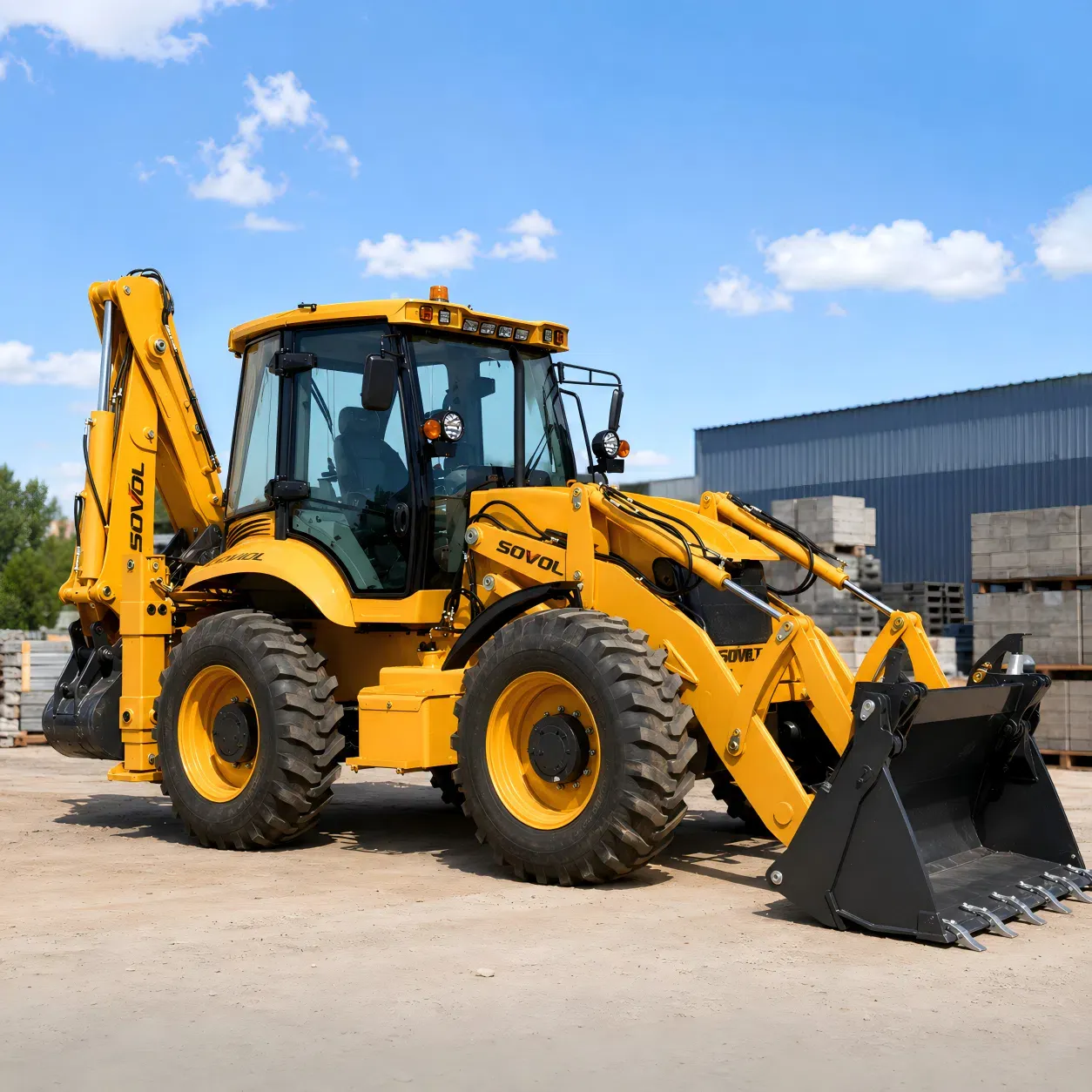
| Selection Factor | SW388 | SW388T |
| Operating weight | 8,200 kg | 11,000 kg |
| Axle | Heavy-duty dry axle | Heavy-duty wet axle |
| Tire size | 14-17.5 / 19.5L24 | 16.9-28 |
| Front / rear bucket | 1.2 m³ / 0.3 m³ | 1.2 m³ / 0.3 m³ |
| Main advantage | Maneuverability and general versatility | Stability and heavier-duty configuration |
| Suitable road work | Local repairs, municipal and rural projects | Tougher road, drainage and infrastructure work |
Backhoe Loader vs Separate Road Work Machines
A dedicated excavator may provide higher productivity for continuous trenching or deep excavation. A dedicated wheel loader may be more efficient for continuous high-volume aggregate loading.
However, many road maintenance projects involve several smaller tasks rather than one continuous operation.
A backhoe loader is often the more practical option when the job includes:
· Intermittent excavation
· Material loading
· Backfilling
· Shoulder grading
· Site cleanup
· Attachment work
· Frequent relocation
For road contractors and municipal crews, the main value is keeping one machine productive throughout the complete repair cycle.
FAQ
Q1:Can it be used for municipal road repair?
Yes. Its mobility and two-in-one design make it suitable for municipal departments and contractors handling distributed repair and maintenance tasks.
Q2:Which model is better for road work?
The SW388 is suitable for general road repair and municipal maintenance. The heavier SW388T is better for tougher ground conditions and more demanding infrastructure work.
Q3:Can a backhoe loader remove damaged concrete or pavement?
Yes. With a hydraulic hammer, it can support the breaking of concrete, compacted surfaces and damaged pavement sections.
Q4:Can the machine be used for winter road maintenance?
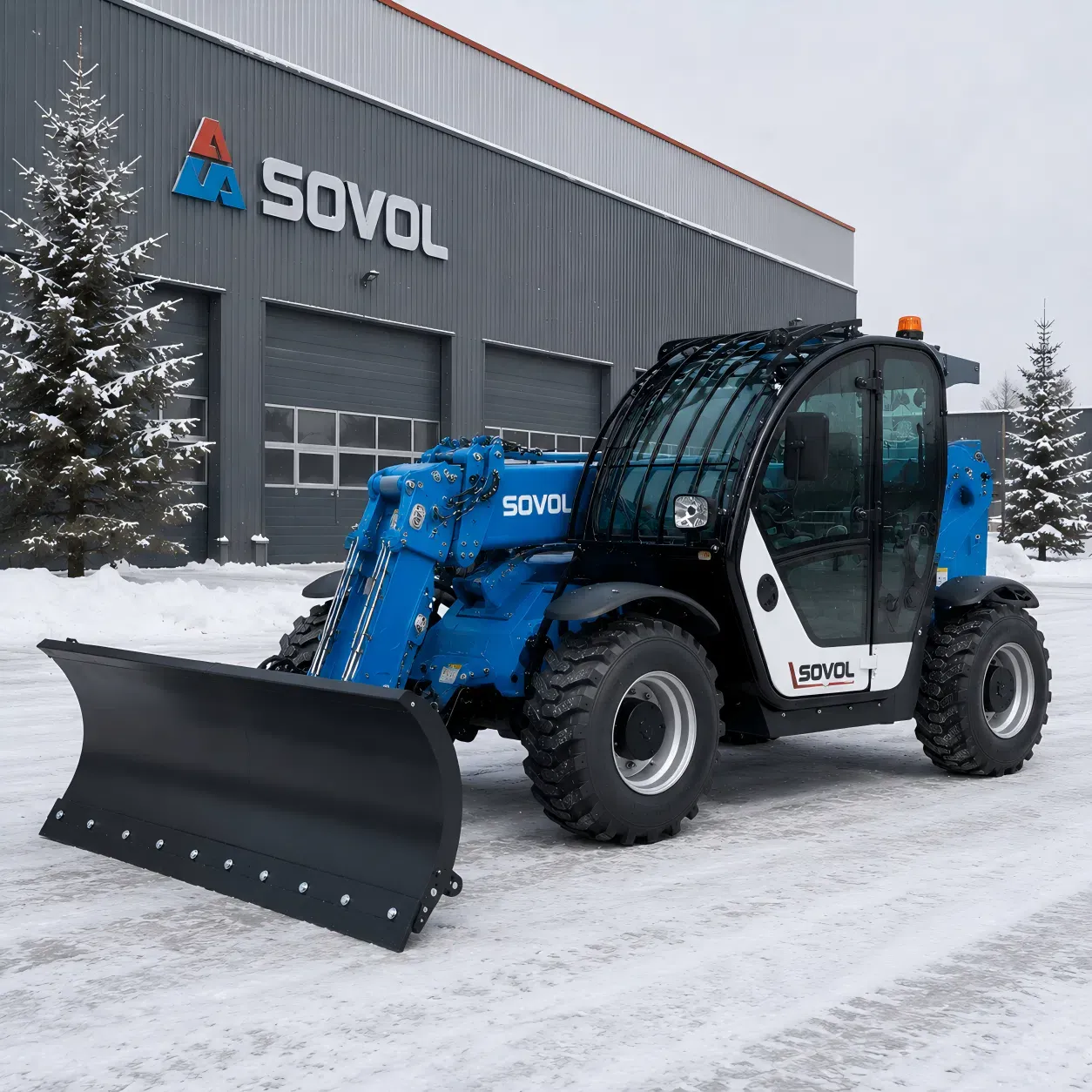
Yes. Snow blades, V-type snow blades, snow blowers and snow buckets are available for seasonal snow-clearing applications.
Q5:Can it move between different road-repair locations?
Yes. The wheeled design and maximum travel speed of 32 km/h support movement around sites and between nearby work areas, subject to local road regulations.