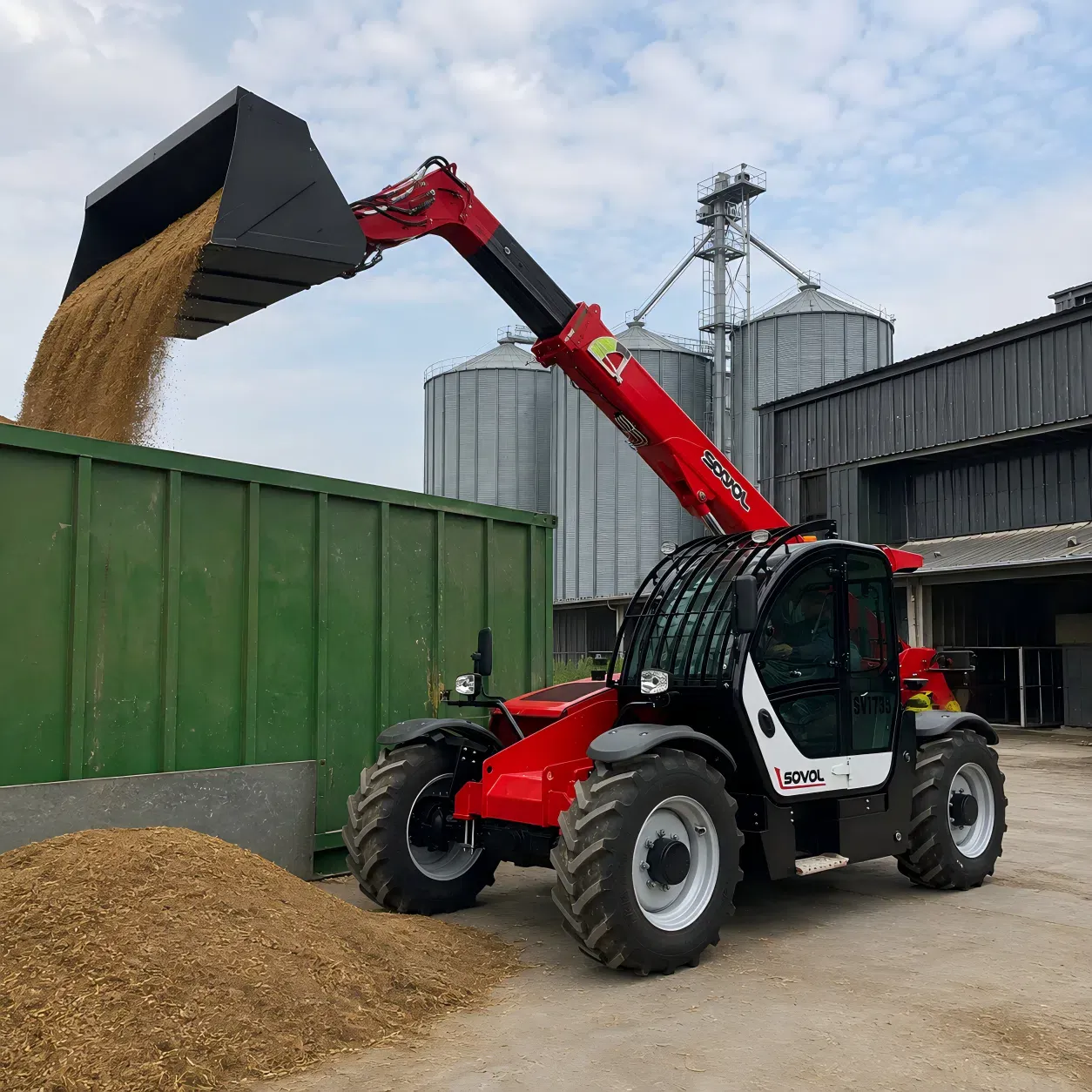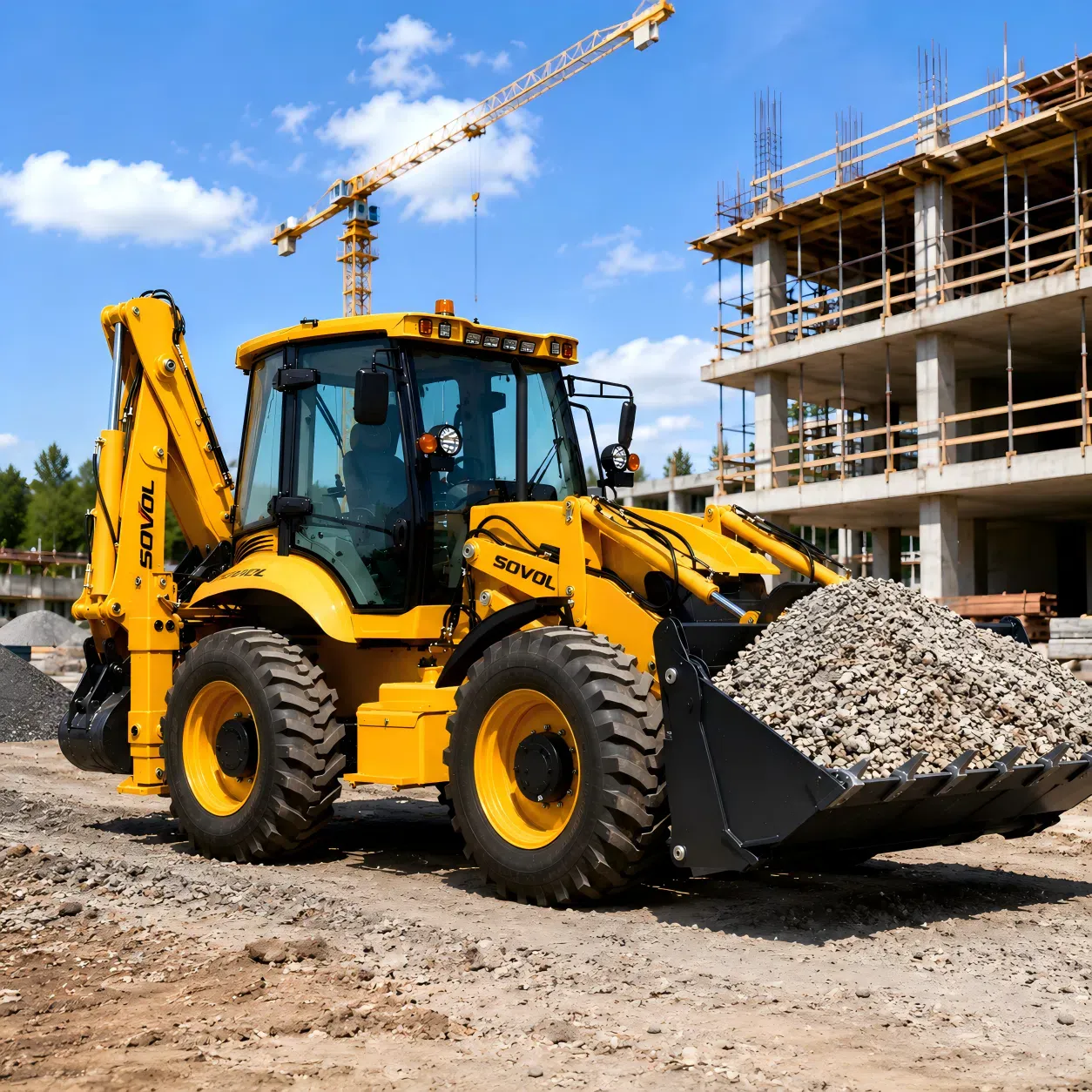
Main advantages
One Machine for Digging, Loading and Backfilling
The main advantage of a construction backhoe loader is its ability to support several stages of a project.
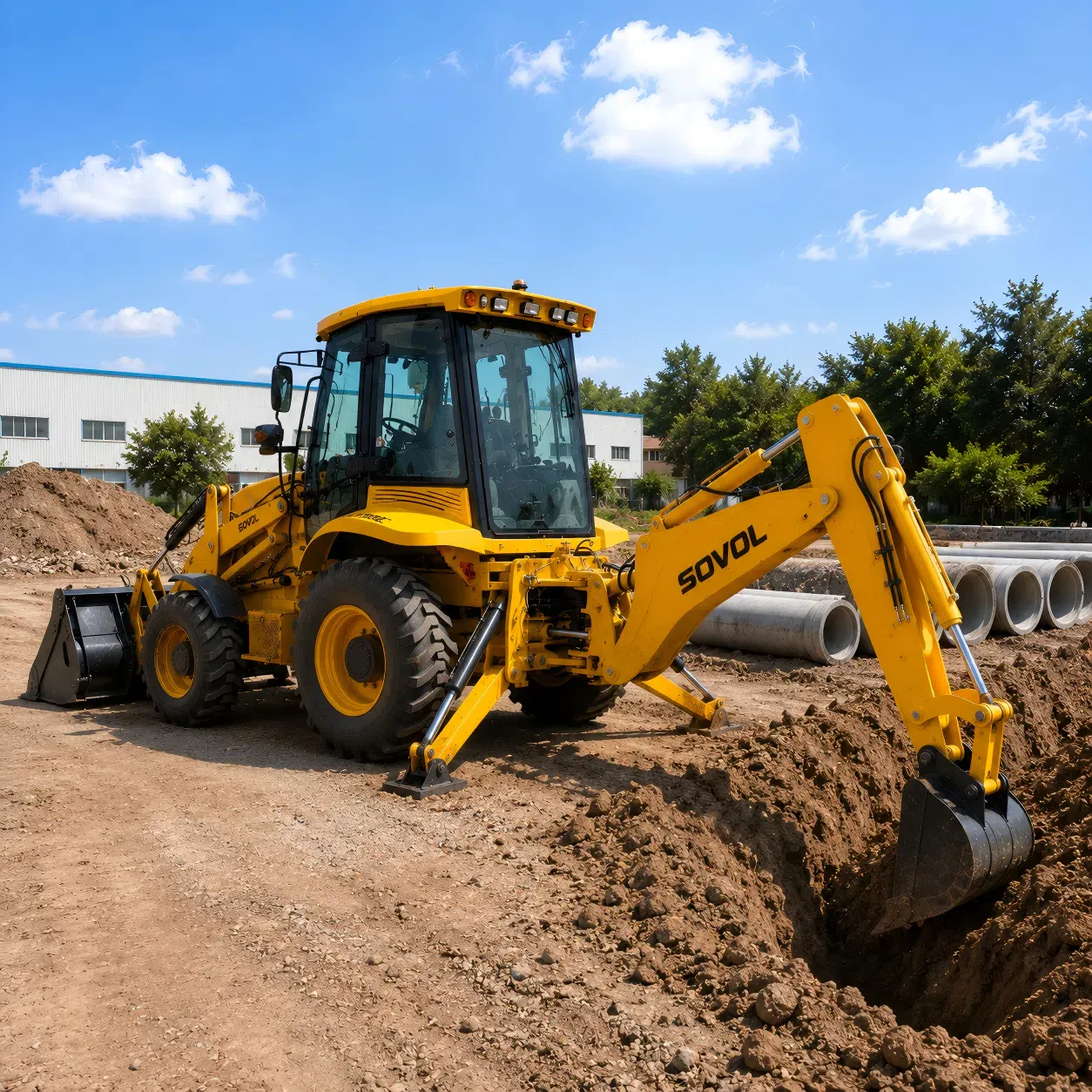
The rear excavator can be used to dig trenches, foundations, drainage channels and service pits. After excavation, the front bucket can load the removed material, transport aggregate and return soil to the completed trench.
This two-in-one configuration can help contractors reduce dependence on separate excavators and wheel loaders, especially on projects where neither function is required continuously.
Typical work cycles include:
· Digging foundations or trenches
· Loading excavated soil
· Moving sand, gravel and aggregate
· Backfilling completed work
· Clearing construction debris
· Preparing and maintaining access routes
Why Contractors Choose a Backhoe Loader?
Reduced Dependence on Multiple Machines
Projects involving both excavation and loading may normally require an excavator and a wheel loader. A backhoe loader combines both functions in one mobile platform.
Easy Movement Around the Job Site
Unlike many tracked excavators, a wheeled backhoe loader can move between work zones without requiring a transport trailer for every short relocation.
Suitable for Restricted Construction Areas
Residential projects, urban renovations and smaller commercial sites may not have enough space for several large machines. A backhoe loader gives contractors access to both ends of the machine while occupying one operating footprint.
Year-Round Machine Utilization
The machine can continue working beyond excavation by changing attachments.
SOVOL Backhoe Loader Options for Construction
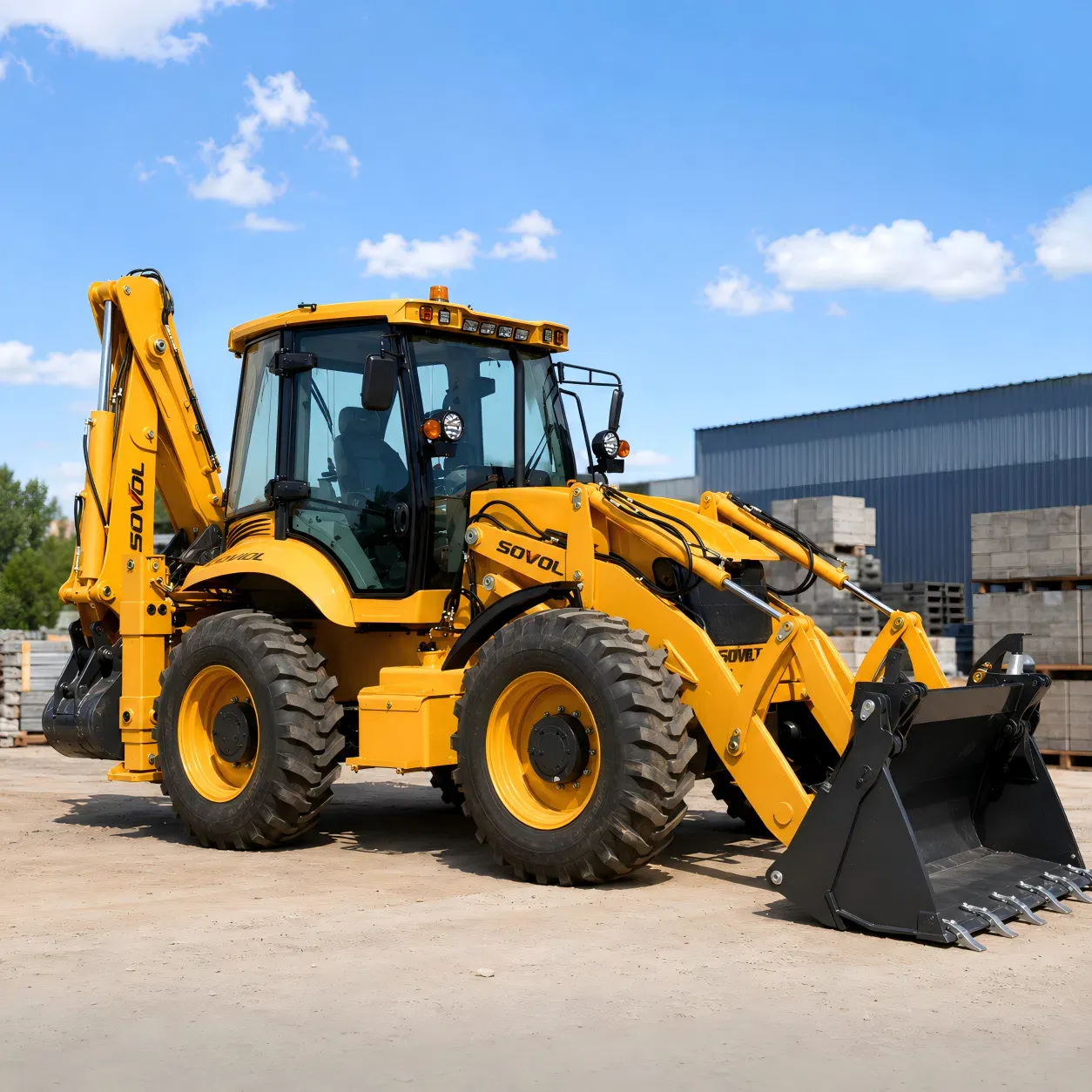
The SOVOL SW388 is an 8,200 kg backhoe loader designed for general construction, utility, rural and contractor applications.
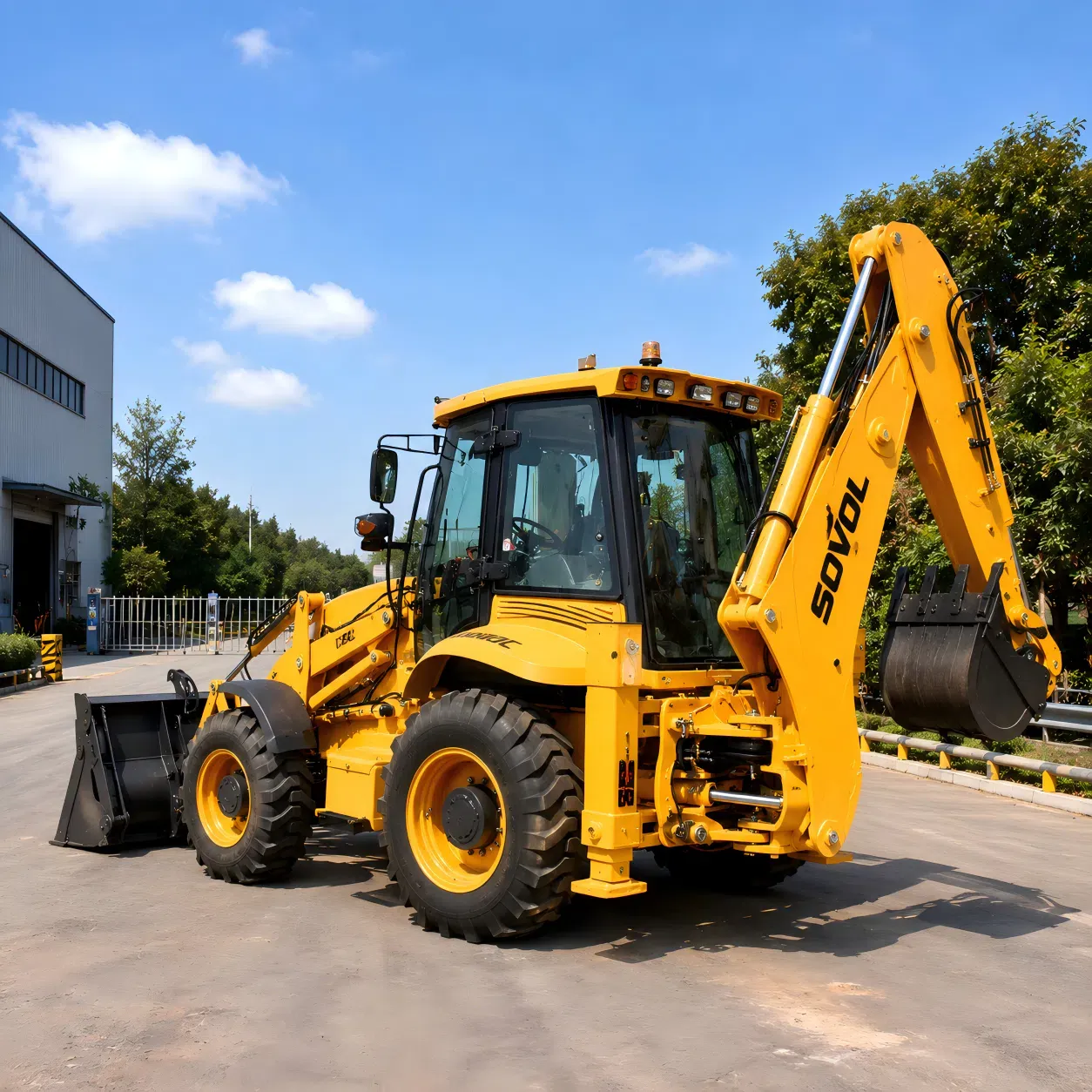
The SOVOL SW388T has an operating weight of approximately 11,000 kg and uses a heavy-duty wet axle with larger 16.9-28 tires.
Backhoe Loader or Separate Excavator and Wheel Loader?
The right equipment combination depends on the volume and continuity of each task.
A dedicated excavator is usually more appropriate when deep or continuous excavation is the main job. A dedicated wheel loader is generally better for high-volume loading and stockpile production.
A backhoe loader is often the more practical choice when the project involves a changing mix of:
· Excavation
· Loading
· Short-distance material movement
· Backfilling
· Cleanup
· Attachment work
For building contractors, utility crews and rental companies, the value comes from keeping one machine productive across different stages of a project.
FAQ
Q1:What construction jobs can a backhoe loader perform?
A backhoe loader can support foundation digging, trenching, loading, material transportation, backfilling, site preparation and construction cleanup.
Q2:Can a backhoe loader replace an excavator and wheel loader?
It can replace both machines on some small and mixed-task projects. For continuous deep excavation or high-volume loading, dedicated equipment may still provide higher productivity.
Q3:Which SOVOL model is better for general construction?
The SW388 is suitable for general contracting and moderate construction work. The heavier SW388T is better suited to tougher conditions and more demanding applications.
Q4:Is a backhoe loader suitable for rental fleets?
Yes. Its ability to complete multiple jobs makes it useful for rental companies serving contractors, farms, utility crews and municipal customers.
Q5:Can the engine specification be selected for different markets?
Yes. Engine brands and emission configurations can be selected according to market regulations, operating requirements and order configuration.