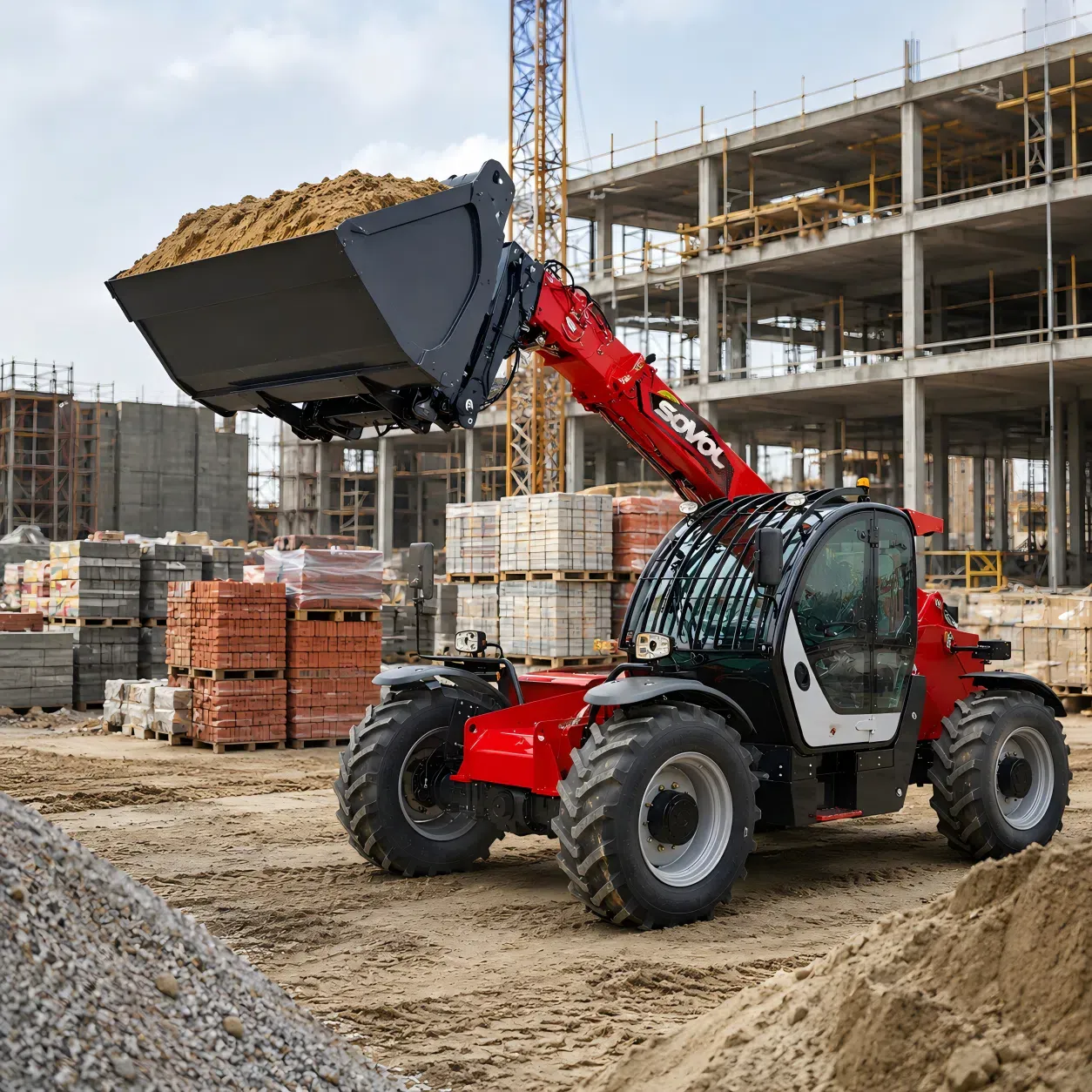
Why Use a Construction Bucket on a Telehandler?
Handle Loose Materials Around the Site
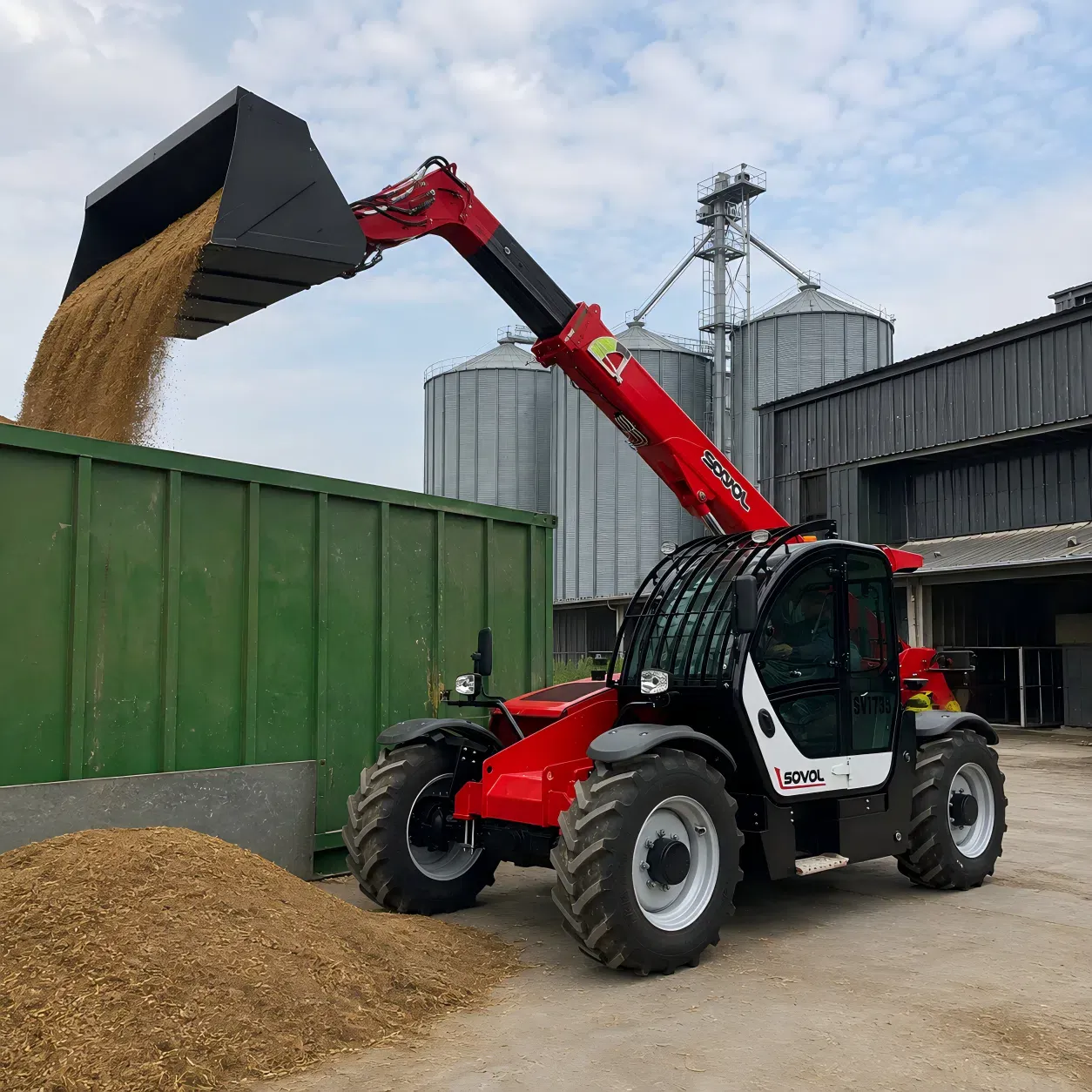
A construction bucket can move sand, soil, gravel and loose materials between stockpiles, trucks, storage areas and active work zones.
Combine Loading with Lifting and Reach
A telehandler can also use forks, hooks and other attachments for different site tasks.
The boom provides lifting height and forward reach for placing selected materials in locations that may be difficult to access with ground-level equipment.
Improve Site Flexibility
A telehandler can switch between pallet handling, bucket loading, material positioning and selected cleanup work when compatible attachments are available.
Support Outdoor and Rough-Condition Work
Four-wheel drive and flexible steering help telehandlers work across construction yards, gravel roads, temporary work areas and uneven storage zones.
Typical Materials for Construction Bucket Handling
| Material Type | Typical Examples |
| Soil and Backfill | Loose soil, fill material and selected landscaping materials |
| Aggregate | Sand, gravel, crushed stone and selected road-base materials |
| Construction Materials | Loose cement-related materials, debris and site supplies |
| Yard Materials | Loose waste, mixed surface material and general cleanup loads |
| Infrastructure Materials | Gravel, soil and loose support materials for drainage or utility work |
| Quarry Support Materials | Selected loose materials, maintenance-area debris and site-support loads |
Recommended Telehandlers for Construction Bucket Work
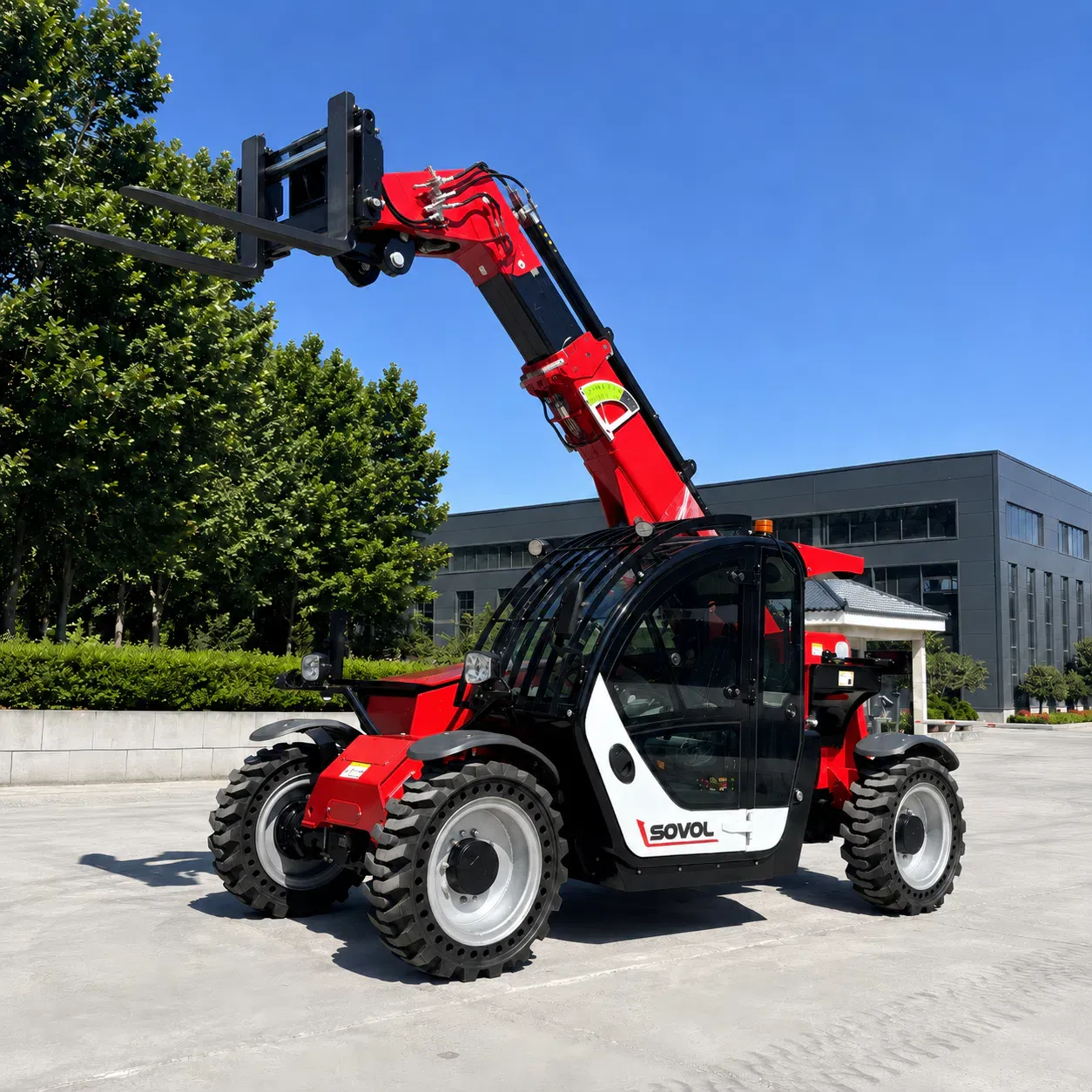
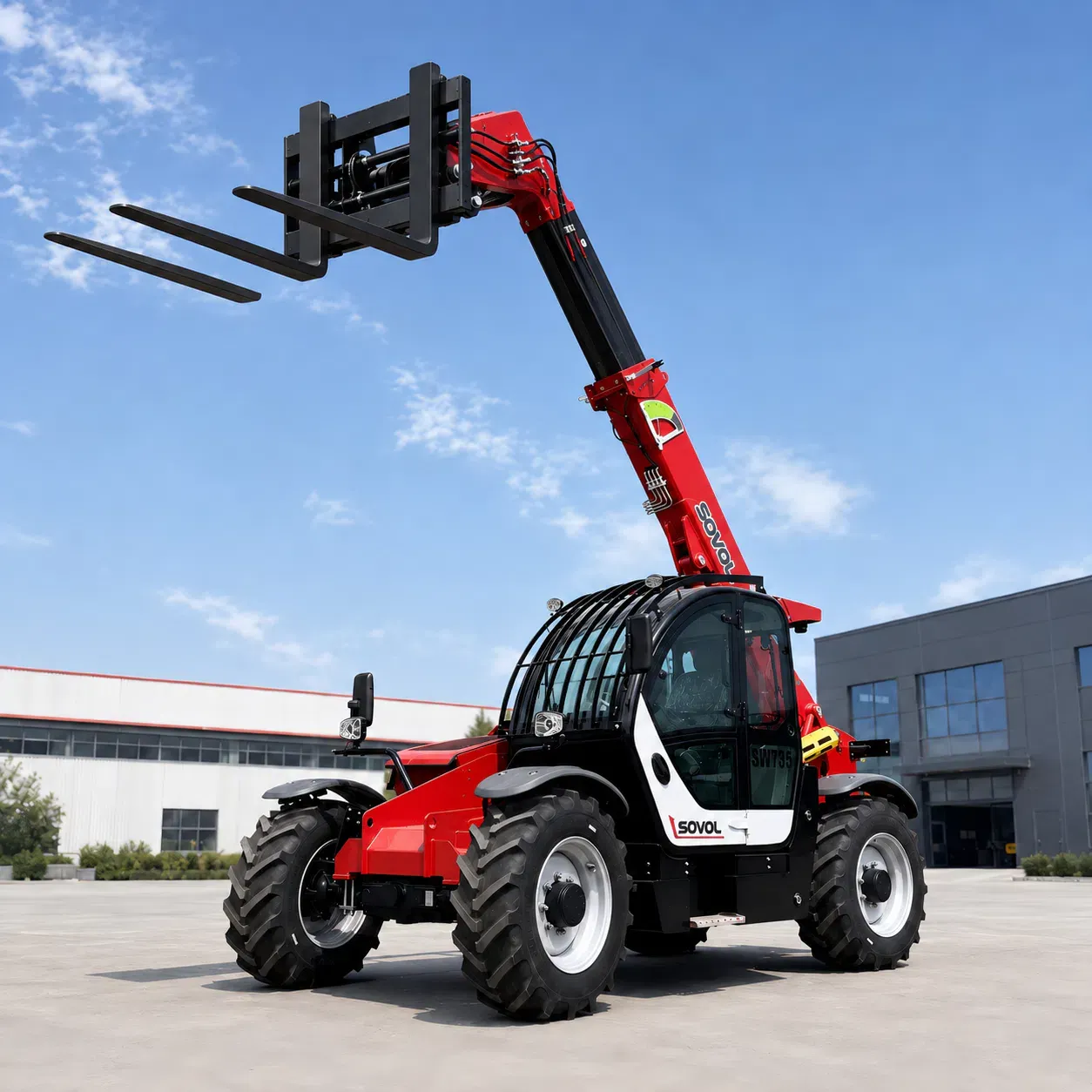
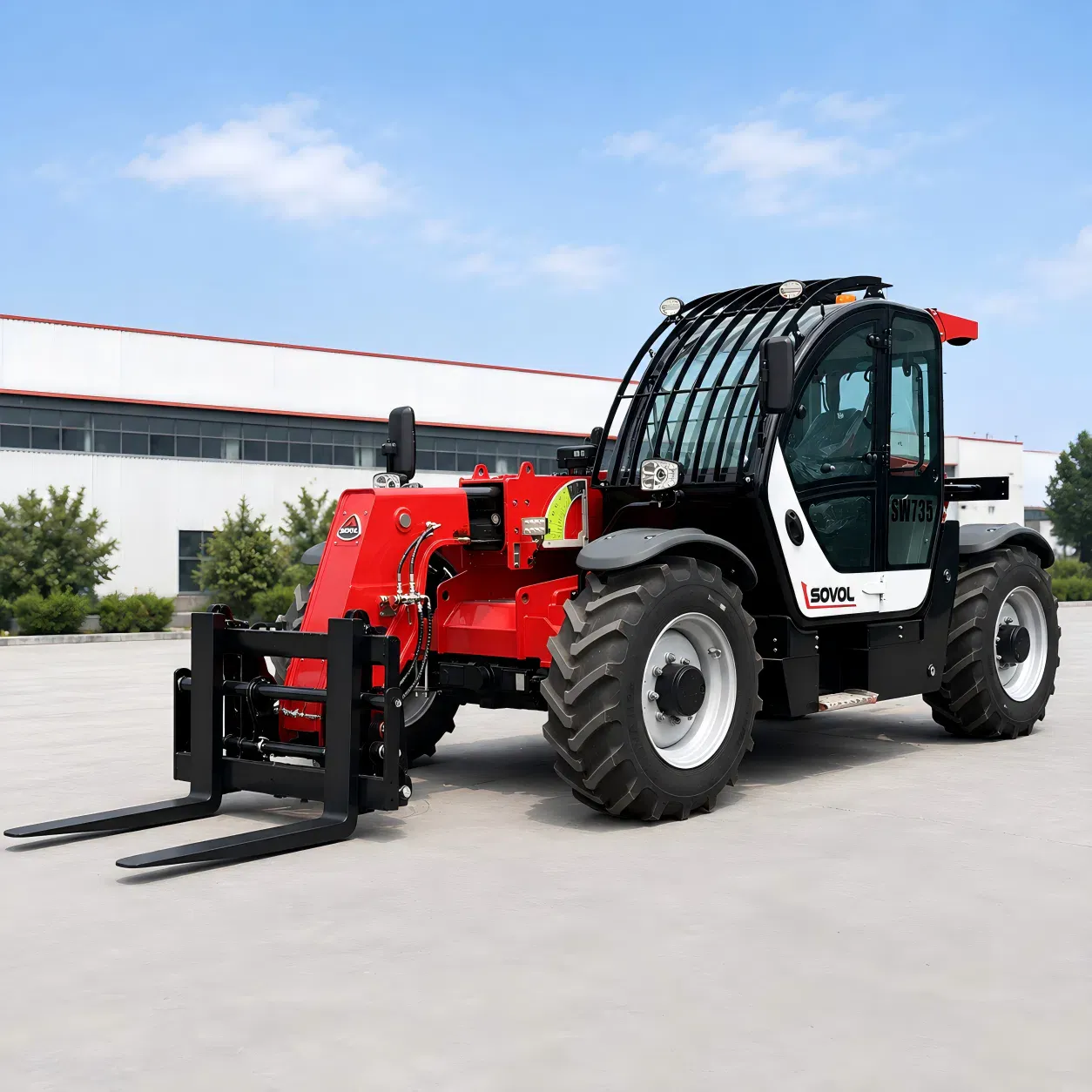
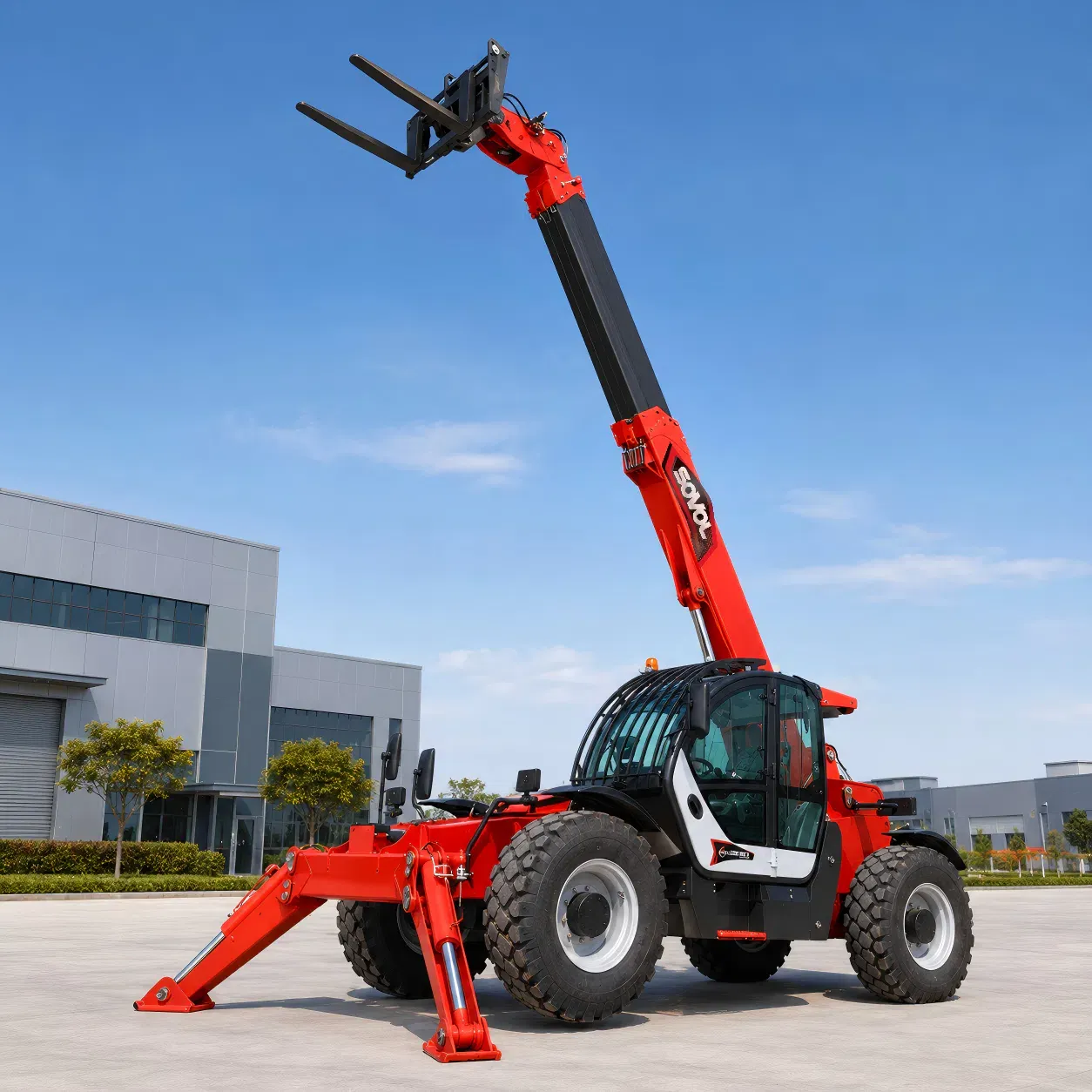
SW1035 10m 3.5 Ton Telehandler for Higher-Reach Material Placement
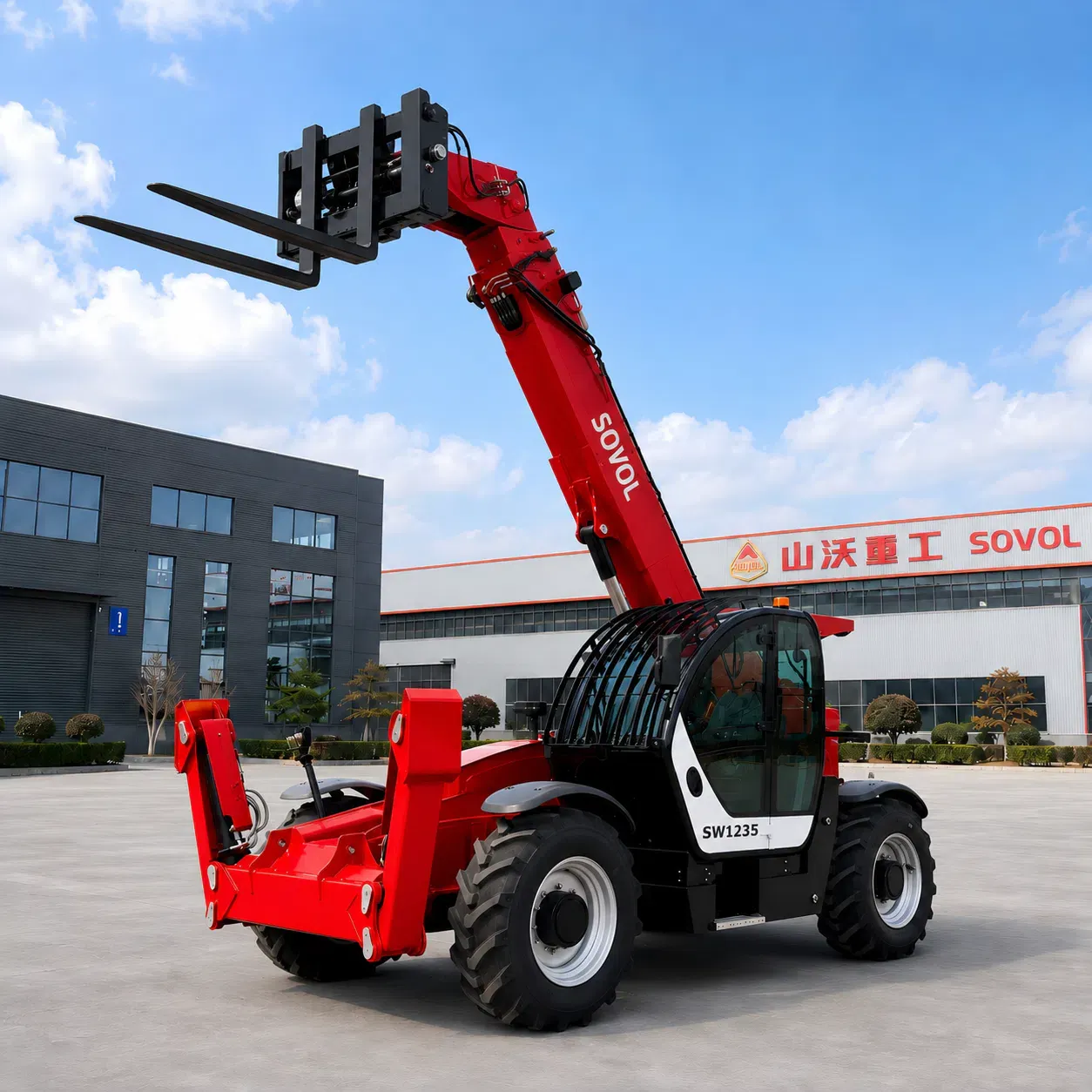
- SW1235 12m 3.5 Ton Telehandler for Higher-Reach Material Placement
Construction Bucket vs Standard Bucket
| Comparison Item | Construction Bucket | Standard Bucket |
| Main Positioning | Construction sites, infrastructure and heavy outdoor support | General farms, yards and everyday loose-material work |
| Typical Materials | Sand, gravel, soil, crushed stone and site debris | Soil, feed, grain, sand and light bulk materials |
| Best Applications | Site loading, project logistics and construction cleanup | General loading and material transfer |
| Recommended Choice | When construction and outdoor project work are the priority | When general-purpose material handling is the priority |
Construction Bucket vs 4-in-1 Bucket
| Comparison Item | Construction Bucket | 4-in-1 Bucket |
| Main Strength | Simple loose-material loading and site transfer | Loading, clamping, grading and light dozing |
| Best For | Repetitive construction material handling | Mixed tasks and changing yard conditions |
| Hydraulic Requirement | Usually simpler configuration | May require additional hydraulic connections |
| Typical Users | Construction contractors, project teams and material yards | Farms, contractors, rental fleets and maintenance users |
| Recommended Choice | When bulk material loading is the main task | When multi-function flexibility is more important |
Construction Bucket vs Wheel Loader Bucket
| Comparison Item | Telehandler Construction Bucket | Wheel Loader Bucket |
| Main Strength | Attachment flexibility, lifting height and forward reach | High-volume bulk loading productivity |
| Best For | Mixed site support, material placement and changing tasks | Repeated loading of sand, gravel, soil and aggregate |
| Machine Versatility | Can switch to forks, hooks, jibs and other attachments | Mainly bucket-based loading work |
| Working Height | Supports selected elevated placement | Mainly ground-level loading |
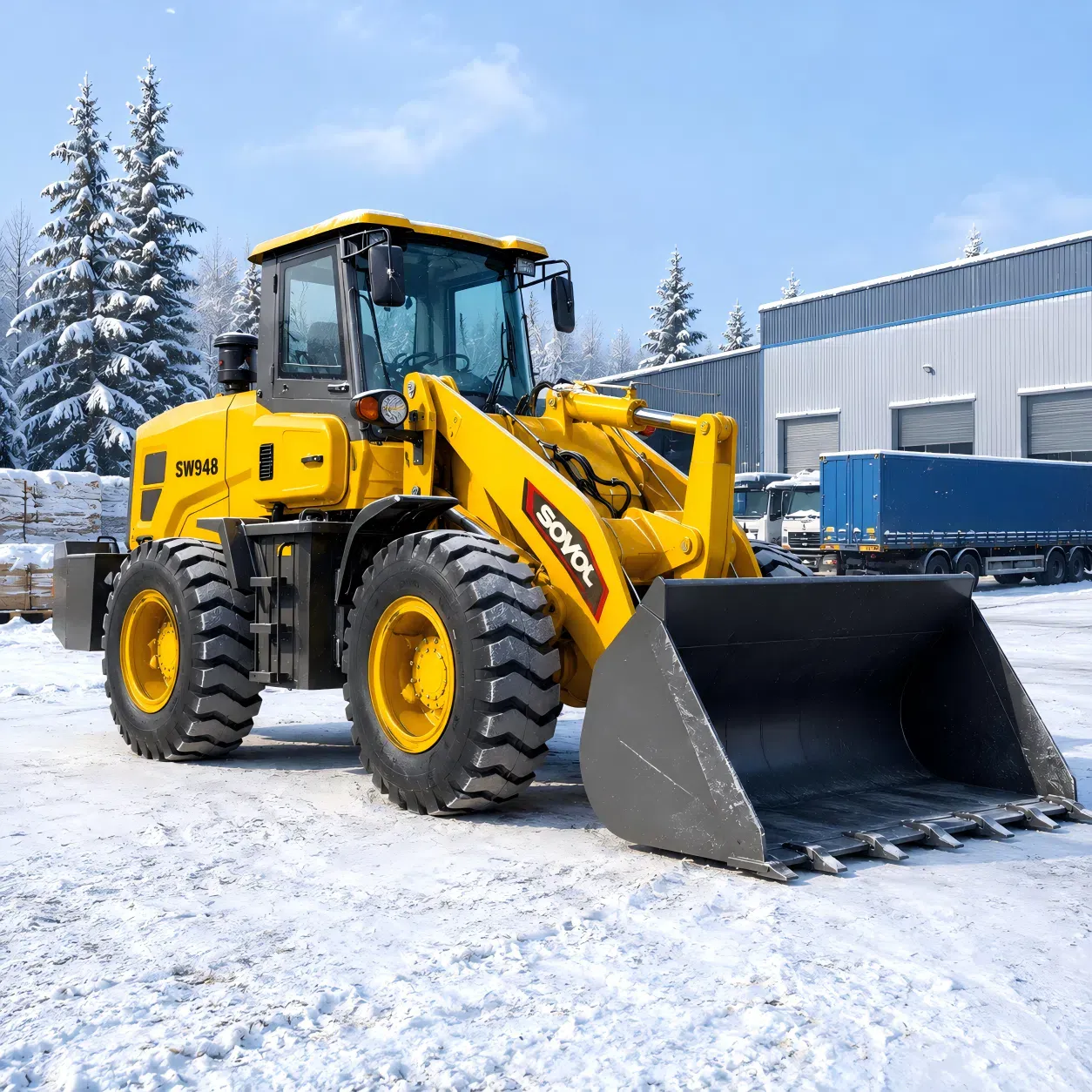
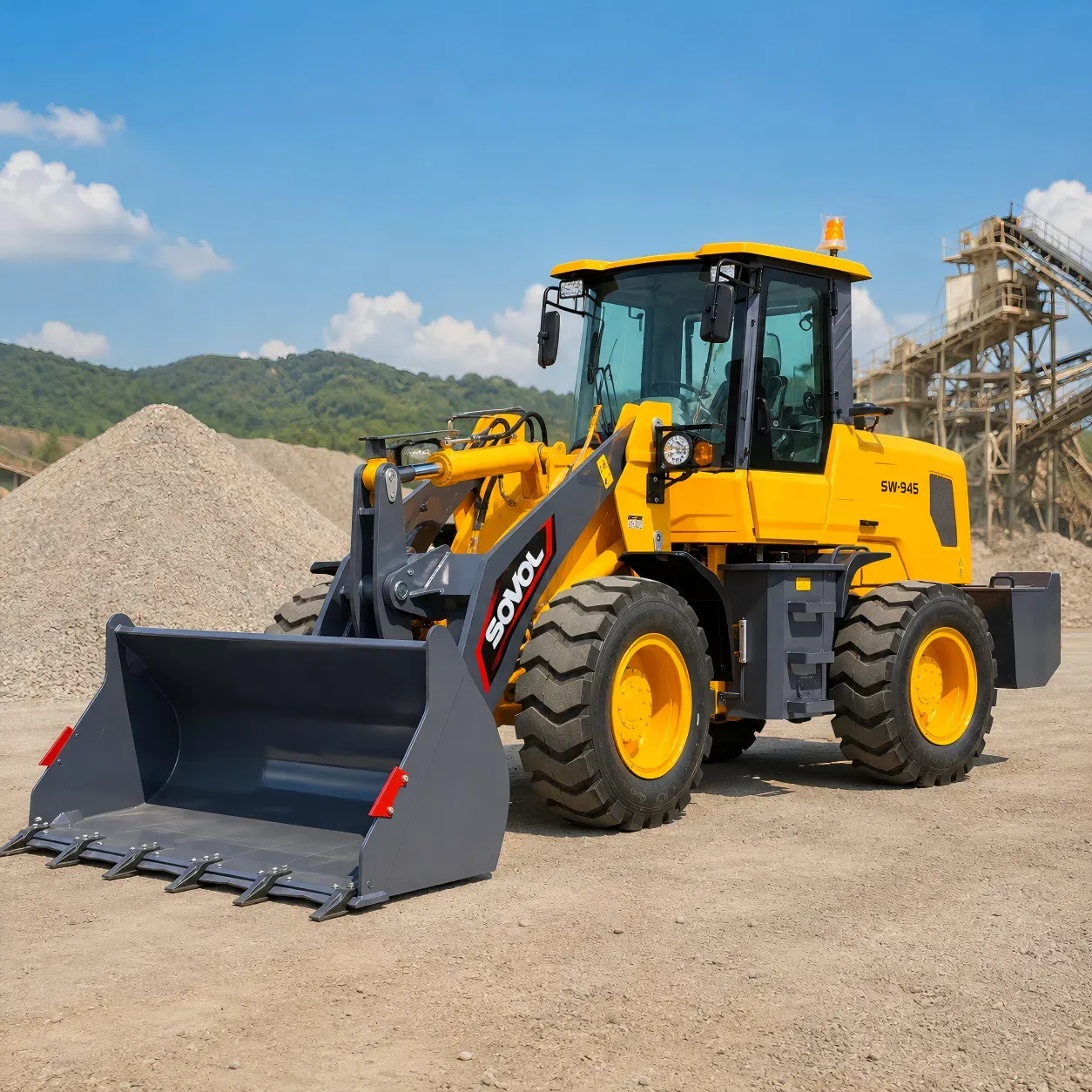
| Recommended Choice | When one machine must handle several site tasks | When continuous bulk loading is the main requirement |
How to Choose a Telehandler Construction Bucket?
Confirm Telehandler Compatibility
The bucket must match the telehandler attachment interface, boom configuration and intended operating arrangement.
Match Bucket Volume to Material Density
Wet soil, gravel and crushed stone may be much heavier than dry soil, light debris or loose yard materials.
A smaller bucket volume may be needed for dense materials.
Consider Attachment Weight
Bucket weight reduces the telehandler’s available lifting capacity, especially at higher boom positions and longer forward reach.
Define the Main Task
Choose a construction bucket when loose-material loading, site transfer and cleanup are the primary requirements.
Choose a 4-in-1 bucket when clamping, light grading and light dozing are also required.
Use the Applicable Load Chart
The correct load chart must be used for the specific telehandler and attachment combination.
FAQ
Q1: Can a construction bucket handle gravel and crushed stone?
Yes, when bucket volume, material density, telehandler capacity and load-chart limits are suitable.
Q2: Can a construction bucket replace a wheel loader?
Not always. A telehandler construction bucket is better for mixed tasks, lifting height and attachment flexibility. A wheel loader is generally better for continuous high-volume bulk loading.
Q3: How do I choose the right construction bucket?
Choose according to telehandler model, attachment interface, material density, required bucket volume, working conditions and applicable load chart.